Engine belt wear, symptoms and replacement decisions in modern vehicles
Why engine belt decisions are more inspection-driven than they used to be
An engine belt can affect charging, cooling, steering assist, air conditioning and, in some engines, whether the vehicle runs at all. The practical question is usually straightforward: when should an engine belt be inspected or replaced? For modern vehicles, the answer depends on system condition, mileage, age, noise, pulley alignment and vehicle-specific service information, not on visible cracking alone.
The most visible belt on many vehicles is the serpentine belt, also called an accessory drive belt. It drives external accessories such as the alternator, air conditioning compressor and, on some designs, the water pump or power steering pump. A timing belt has a different role. It synchronizes the crankshaft and camshaft inside the engine’s timing system. Mixing up these two belts can lead to the wrong maintenance decision because their failure modes and consequences are not the same.
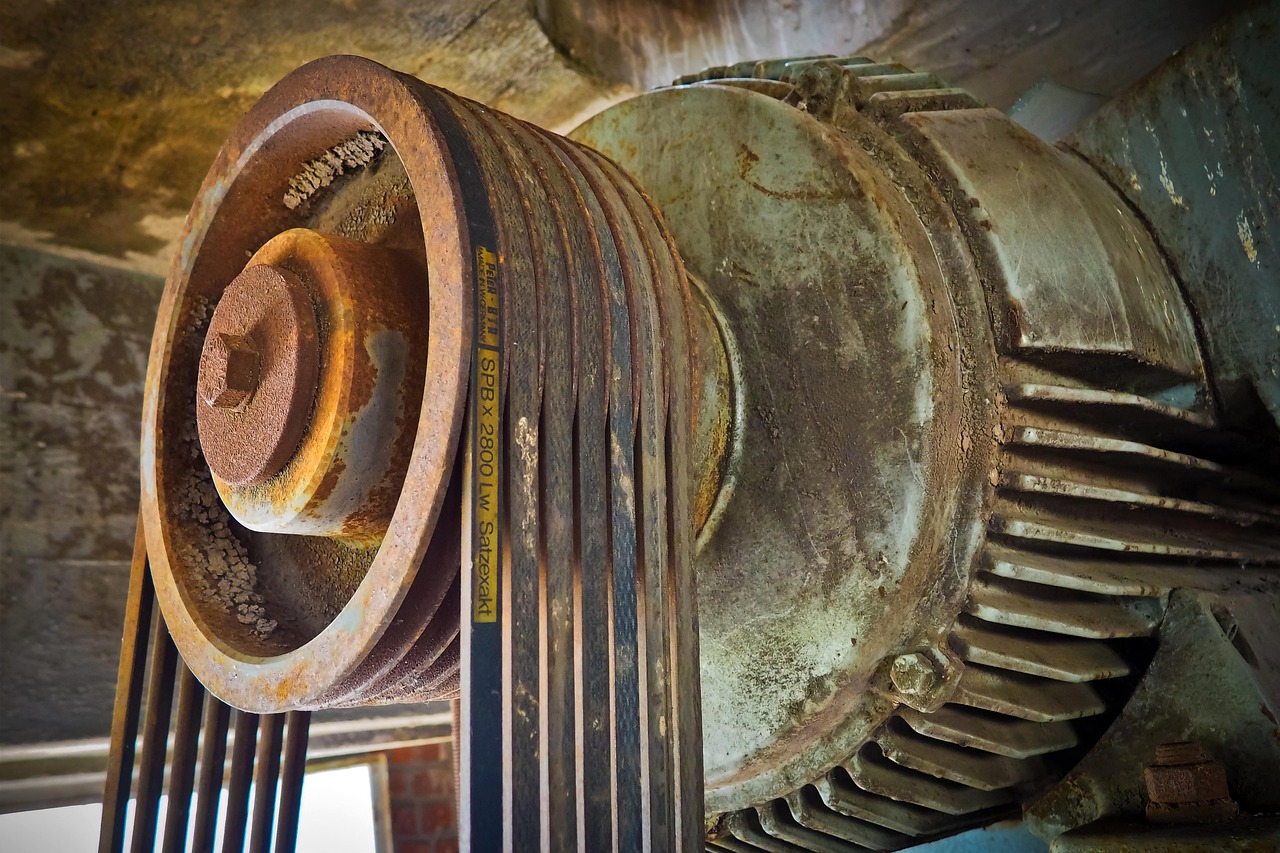
Modern ethylene propylene diene monomer, or EPDM, serpentine belts have changed how inspections are done. Older neoprene belts often showed cracking as they aged. Gates technical guidance has noted that EPDM belts may run 100,000 miles or more without obvious cracking, while still losing rib material. Dayco guidance has also described many original equipment maintenance patterns as inspection around 60,000 miles and service consideration around 90,000 miles. These numbers are useful reference points, but the vehicle maker’s schedule and the condition of the full belt drive system remain more important than any universal interval.
What an engine belt does
The term engine belt is broad. In repair and parts discussions, it may refer to a serpentine belt, V-belt, stretch belt, timing belt or balance shaft belt. Each belt has a different function, so the correct replacement decision starts with identifying which belt is fitted and what it drives.
- Serpentine belt: A single multi-rib belt that runs around several pulleys to drive accessories. It usually works with an automatic tensioner and idler pulleys.
- V-belt: An older-style belt with a wedge-shaped cross-section. Some vehicles and industrial engines still use separate V-belts for individual accessories.
- Stretch belt: An elastic accessory belt used on some compact drives without a conventional tensioner. It normally requires specific installation tools and should not be reused if the manufacturer specifies one-time use.
- Timing belt: A toothed belt that keeps valve timing synchronized with crankshaft rotation. It is usually hidden behind covers and has a specific service interval.
- Balance shaft belt: A belt used on some engines to drive balance shafts. It is not fitted to every engine, but it can be critical where used.
In an engine and thermal systems context, belt condition matters because accessories influence charging, cooling and cabin climate performance. If a belt slips or fails, the alternator may stop charging, the coolant pump may stop circulating on engines where it is belt-driven, or the air conditioning compressor may stop turning. Even when the belt is not part of the cooling circuit, a weak tensioner or misaligned pulley can generate heat, noise and premature wear in the accessory drive.
For broader articles on related systems, see the engine and thermal systems section.
Serpentine belt and timing belt differences
The main difference is consequence. A failed serpentine belt can disable accessories immediately, but the engine’s internal valve timing may remain intact. A failed timing belt can stop camshaft synchronization at once. On interference engines, where piston and valve travel can overlap if timing is lost, belt failure may cause internal engine damage.
| Belt type | Main role | Typical location | Common inspection focus | Failure consequence |
|---|---|---|---|---|
| Serpentine belt | Drives external accessories | Front of engine, usually visible | Rib wear, glazing, contamination, tensioner movement, pulley alignment | Loss of charging, steering assist on some vehicles, air conditioning or coolant circulation on some designs |
| Timing belt | Synchronizes crankshaft and camshaft timing | Behind timing covers | Scheduled replacement, age, mileage, oil contamination, tensioner and water pump condition where applicable | Engine stops running; possible internal engine damage on interference designs |
| V-belt or stretch belt | Drives one or more accessories | Accessory drive area | Cracking, glazing, tension, edge wear, correct installation | Accessory loss and possible overheating or charging problems depending on the driven component |
This distinction is why timing belt replacement is normally treated as scheduled preventive maintenance, while serpentine belt replacement is often condition-based and supported by mileage and inspection results. Continental technical material has described timing belt failure as a risk to valves and pistons when a belt snaps while an engine is running. That does not mean every timing belt failure destroys an engine, but it explains why timing belt service usually requires a stricter approach than a visible accessory belt.
How modern engine belts wear
Modern serpentine belt wear is often less obvious than drivers expect. Traditional advice focused on visible cracks across the ribs. That still has value for older belt materials and severely aged belts, but it is incomplete for EPDM belts. EPDM is more resistant to cracking from heat, ozone and age, so a belt can look acceptable even after its rib profile has changed.
Material loss on the rib surface
Gates technical guidance describes EPDM belt wear as material loss, similar to tire tread wear. As the ribs lose material, the belt can sit deeper in the pulley grooves. This reduces the wedging force that helps transmit torque from the crankshaft pulley to accessories. It can also reduce the belt’s ability to move water and debris away from the pulley contact area.
The practical result is that a belt may slip, chirp or lose efficiency without showing dramatic cracks. In wet conditions, reduced clearance between belt and pulley can contribute to belt hydroplaning, where water interferes with contact between the rib and pulley. A driver may notice squeal during startup, changes in steering effort on hydraulic power steering systems, dimming lights, a battery warning lamp or changes in air conditioning performance.
Glazing, contamination and edge damage
Glazing appears as a shiny or hardened surface and often points to slippage or heat. Oil or coolant contamination can soften or degrade rubber. Edge fraying may suggest pulley misalignment, a damaged pulley lip or incorrect belt routing. Missing rib sections, chunking, cuts or cords showing through the belt are not borderline conditions; they point to immediate replacement.
Tensioner and pulley wear
A belt drive is a system, not just a belt. A new belt installed on a weak tensioner, rough idler pulley or misaligned accessory pulley can wear quickly. Dayco technical material emphasizes the importance of inspecting pulleys, tensioners and the front-end accessory drive system rather than replacing only the belt by habit.
A failing tensioner may show excessive arm movement, noise, a weak spring, leakage on hydraulic designs or an indicator outside its normal range. Idler pulleys should rotate smoothly without grinding, wobble or roughness. Pulley misalignment can create chirp and edge wear even when the belt is new.
When to inspect or replace an engine belt
There is no single engine belt replacement mileage that applies to every vehicle. The most defensible approach is to combine the manufacturer’s service schedule with actual inspection findings. Several industry reference points can still help frame the decision.
- Follow the owner’s manual first. Timing belt intervals are engine-specific and may be based on mileage, time or both. Some intervals also change under severe operating conditions.
- Inspect accessory belts during routine service. Modern serpentine belts should be checked before high-mileage trips, during oil changes when access is practical, and whenever belt-driven accessories show symptoms.
- Treat 60,000 miles as a meaningful inspection point. Car-care and aftermarket guidance commonly places serpentine belt inspection in this mileage range, especially on vehicles that still have the original belt.
- Use 90,000 to 100,000 miles as a stronger replacement discussion point. Dayco and Gates materials both support the idea that many belts reach a higher-risk inspection or replacement window around this range, although actual service life varies.
- Replace immediately for severe symptoms. Missing ribs, exposed cords, contamination, repeated squeal, charging warnings, overheating related to a belt-driven water pump, or a failed tensioner should not wait for a mileage target.
Age also matters. A low-mileage vehicle can still have an aged belt exposed to heat cycles, ozone, oil vapor and long periods of static tension. A high-mileage highway vehicle, by contrast, may show less severe accessory belt aging than a stop-and-go vehicle operated in heat, dust and frequent short trips. This is why condition and service history are more reliable than mileage alone. See also: braking and chassis.
Inspection checklist for shops and informed vehicle owners
A useful engine belt inspection should be structured. A quick look at the top surface is not enough, especially with EPDM serpentine belts. The following checklist reflects common aftermarket guidance from belt manufacturers and professional service practices.
- Confirm the belt type and routing. Identify whether the vehicle has a serpentine belt, separate accessory belts, stretch belts and a timing belt. Compare routing with the under-hood diagram or service information.
- Check the rib side carefully. Look for missing material, uneven rib wear, cracks running lengthwise, contamination, glazing, embedded debris or a profile that appears rounded and worn.
- Use a belt wear gauge where appropriate. For EPDM multi-rib belts, a gauge can reveal material loss that is not visible from above.
- Inspect the back side of the belt. Look for heat marks, abrasion, cuts or contact with covers and brackets.
- Observe tensioner movement. Excessive oscillation may indicate accessory load variation, pulley issues or a weakening tensioner.
- Spin accessible pulleys by hand when safe and appropriate. Roughness, wobble or bearing noise can point to a pulley that may damage a new belt.
- Check for fluid leaks. Oil, coolant or power steering fluid can shorten belt life and should be repaired rather than ignored.
- Record mileage and date. Belt replacement stickers and service records help avoid guessing later, especially for timing belt systems.
Safety is part of the inspection. Belts should never be touched while the engine is running. Clothing, hair and tools must stay clear of rotating parts. If diagnosis requires observing belt tracking with the engine running, it should be done from a safe distance by someone trained to work around moving engine components.
Why replacement often includes more than the belt
Replacing only the belt can be reasonable when the belt is worn and the rest of the drive is healthy. However, repeated noise after replacement often means the root cause was a pulley, tensioner, contamination source or alignment problem.
For serpentine belt systems, technicians often evaluate whether an accessory drive kit is more appropriate than a belt-only repair. This may include a belt, tensioner and idler pulleys. The decision depends on mileage, component condition, labor overlap and the vehicle’s known service history. It is not necessary to replace every component automatically, but it is risky to ignore a noisy bearing or a tensioner that no longer holds stable tension.
For timing belt systems, replacement commonly involves related components located behind the same covers. Depending on engine design, that may include tensioners, idlers, seals and sometimes a water pump. The reason is labor access: if the timing cover must be removed to reach the belt, worn companion components can undermine the value of the repair. A new belt running on a weak tensioner is not a complete preventive service.
Parts matching is also important. A replacement engine belt must match the required length, rib count, tooth profile or application specification. A belt that is almost correct can create noise, tracking problems or loss of tension. For timing belts, tooth profile and pitch are critical because cam timing depends on precise engagement.
Common mistakes that shorten engine belt life
Many premature belt problems come from installation or system issues rather than the belt material itself. The most common errors are avoidable.
- Using cracks as the only inspection rule. This misses EPDM material loss and rib profile wear.
- Installing a belt on contaminated pulleys. Oil or coolant residue can damage the new belt and cause noise.
- Ignoring pulley alignment. Misalignment can push the belt sideways, causing edge wear and chirp.
- Reusing a stretch belt when the vehicle maker requires replacement. Stretch belts are designed for controlled elasticity and may not maintain correct tension after removal.
- Forcing a belt over pulleys. Incorrect tools can damage belt cords or pulley surfaces.
- Replacing a timing belt without checking tensioners and idlers. A seized or loose pulley can cause belt failure even if the belt itself is new.
- Assuming all engines have the same risk level. Interference and non-interference engine designs do not carry the same consequence when timing is lost.
Another common mistake is treating belt noise as a product defect too quickly. Squeal, chirp and flapping can come from belt wear, but they can also come from a weak tensioner, pulley misalignment, accessory bearing drag or contamination. Replacing the belt may quiet the system temporarily without solving the mechanical cause.
Frequently asked questions
Is an engine belt the same as a serpentine belt?
Not always. A serpentine belt is one type of engine belt, but the phrase engine belt can also refer to a timing belt, V-belt, stretch belt or balance shaft belt. The correct meaning depends on the vehicle and repair context.
Can a serpentine belt look good and still be worn?
Yes. Modern EPDM serpentine belts may not crack like older belt materials. Rib material loss, glazing, contamination and pulley fit can reveal wear that is not obvious from a simple visual check.
How often should an engine belt be replaced?
Timing belts should follow the vehicle maker’s specified mileage and time interval. Serpentine belts are usually replaced based on inspection, symptoms and service history, with many vehicles needing closer attention after roughly 60,000 miles and stronger replacement consideration as mileage approaches the 90,000 to 100,000 mile range.
What happens if an engine belt breaks while driving?
If a serpentine belt breaks, accessories such as the alternator, air conditioning compressor, power steering pump or water pump may stop working depending on the engine design. If a timing belt breaks, the engine will lose camshaft synchronization and may suffer internal damage on interference engines.
Should the tensioner be replaced with the belt?
It depends on condition, mileage and access. A healthy tensioner does not always require replacement, but a weak, noisy, leaking or unstable tensioner should be addressed. For timing belt systems, related tensioners and idlers are commonly evaluated because their failure can damage the new belt.