Engine air filter guide for maintenance, replacement and selection

An engine air filter is a small part with a critical job: it keeps dust, sand, insects, fibers and road debris out of the intake air before that air reaches the throttle body, turbocharger, intake manifold and cylinders. For most drivers and parts buyers, the right replacement decision is not about choosing the most aggressive-looking filter. It is about correct fit, reliable sealing, suitable filtration efficiency and a service interval that reflects real driving conditions.
A neglected filter can reduce available power and drivability, especially under heavy acceleration or dusty service. At the same time, modern fuel-injected gasoline engines can often adjust fueling well enough that a dirty filter does not automatically deliver the fuel-economy changes sometimes claimed in advertising. The practical approach is straightforward: inspect the engine air filter regularly, replace it when the vehicle maker recommends or when contamination is clear, and use a filter designed for the exact air box.
What an engine air filter does in the intake system
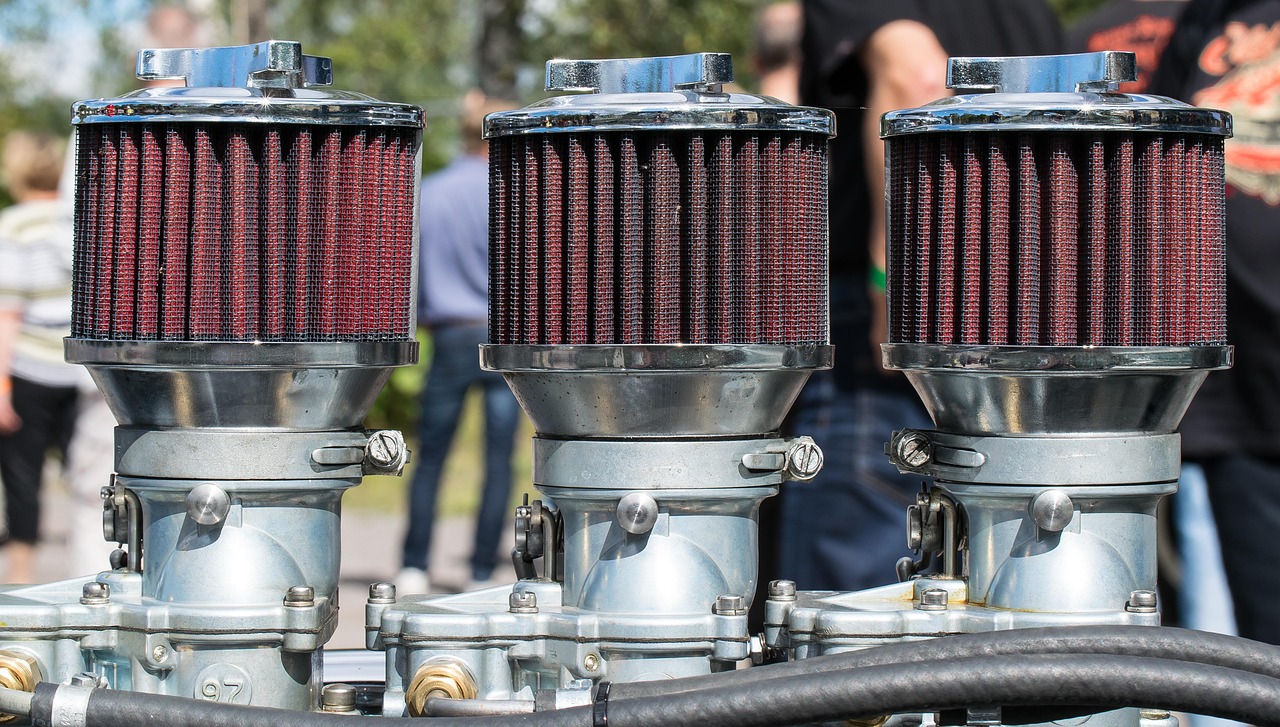
The engine air filter sits upstream of the engine’s air metering and combustion process. In a typical passenger vehicle, outside air enters through an intake duct, passes through the filter element inside the air box, and then moves toward the mass airflow sensor or manifold pressure measurement point before entering the engine.
Its first job is protection. Road dust contains abrasive particles that can contribute to wear if they reach cylinder walls, piston rings, turbocharger compressor wheels or intake valves. The filter media is designed to trap a high proportion of that contamination while still allowing the air volume the engine needs at idle, cruise, acceleration and high-load operation.
Its second job is airflow management. A filter that is too restrictive, incorrectly installed or heavily loaded with dust can increase pressure drop across the intake. That does not mean every slightly dirty filter is urgent, but it does explain why air filters should be considered within the broader engine and thermal systems environment rather than treated as an isolated consumable.
Why filter condition matters for performance and durability
A good engine air filter must balance two requirements that are always in tension: filtration and airflow. Higher filtration efficiency helps keep contaminants out of the engine, but the filter also needs enough open area and an appropriate media design to avoid excessive restriction over its service life. Filter quality cannot be judged only by color, pleat count or whether the media looks thick.
Standards organizations recognize this balance. ISO 5011, the performance test standard for inlet air cleaning equipment used with internal combustion engines and compressors, identifies key laboratory comparison measures such as airflow restriction or differential pressure, dust collection efficiency and dust capacity. In practical terms, useful test information should help answer three questions: how much dirt the filter captures, how much airflow restriction it creates, and how long it can hold contamination before restriction becomes excessive.
For vehicle owners and parts buyers, the key point is that a filter can fail in more than one way. Poor sealing can allow unfiltered air to bypass the media. Low dust capacity can cause the filter to load quickly in dusty environments. An incorrect air box match can lead to deformation, whistling, rattling or gaps around the gasket. Any of these problems can matter more than a small claimed airflow advantage.
Fuel economy claims need careful context
Engine air filter marketing often suggests that replacement will improve fuel economy. The reality is more specific. Older carbureted engines could run richer when airflow was restricted, so a severely clogged filter could affect fuel consumption. Most modern gasoline vehicles, however, use electronic control systems and oxygen-sensor feedback to manage the air-fuel mixture more precisely.
Oak Ridge National Laboratory’s 2009 study on intake air filter condition found that clogging had no significant effect on fuel economy for newer fuel-injected vehicles tested under closed-loop control, although vehicle performance was affected. The same research noted that diesel engines may respond differently because they are not throttled in the same way as gasoline engines, and added intake restriction can have a measurable effect in some diesel applications.
That distinction is important for honest maintenance advice. Replacing a dirty engine air filter may restore acceleration response, reduce intake restriction and protect expensive engine components. It should not be presented as a guaranteed fuel-economy fix for every modern gasoline vehicle. If fuel use has suddenly increased, the air filter is worth checking, but tire pressure, driving pattern, dragging brakes, fuel quality, sensors, ignition faults and seasonal conditions may also be involved.
When to inspect or replace an engine air filter
There is no single replacement interval that fits every vehicle and every environment. The correct starting point is the vehicle owner’s manual or maintenance guide. Automakers often separate normal service from severe service, and dusty roads, construction areas, agricultural routes, desert regions and frequent off-road use can shorten filter life significantly.
Several manufacturer maintenance guides advise more frequent inspection or replacement when vehicles operate in dusty or sandy conditions. Ford owner information, for example, states that the life of the engine air filter depends on exposure to dusty and dirty conditions and that vehicles in those conditions require frequent inspection and replacement. Honda service guidance similarly tells owners to replace the air cleaner element more often in dusty areas. Toyota maintenance materials also direct drivers back to the owner’s manual and note that dusty or gravel-road operation can require more frequent inspection.
| Driving condition | Practical maintenance approach | Why it matters |
|---|---|---|
| Mostly paved roads and normal commuting | Follow the vehicle maintenance schedule and inspect during routine service. | Filter loading is usually gradual, so scheduled replacement is often sufficient. |
| Dusty, sandy, gravel or construction-zone driving | Inspect more frequently and replace based on condition, restriction indicators or the severe-service schedule. | Fine dust can load the media faster and increase intake restriction. |
| Off-road use, farm use or fleet service | Use a documented inspection interval and check the air box for sealing problems. | Contamination risk is higher, and downtime can cost more than the filter. |
| After water splash, heavy snow intake or visible air box debris | Inspect immediately before continued operation if safe to do so. | Wet or damaged media can deform, restrict airflow or compromise sealing. |
Visual inspection is useful, but it has limits. A filter that looks gray on the dirty side may still be serviceable. A filter with warped edges, torn media or a damaged gasket should be replaced even if it is not heavily loaded with dust. Some heavy-duty and diesel applications use restriction indicators, which are more informative than appearance alone because they respond to actual airflow restriction.
How to inspect an engine air filter without causing problems
Engine air filters are usually accessible, but inspection still needs care. The air box is part of a sealed intake system, and dirt introduced during service can defeat the purpose of the filter.
- Turn the engine off and let moving parts stop before opening the air box.
- Release the clips or fasteners without forcing the housing.
- Lift the cover only as much as needed to remove the filter, watching for attached hoses or sensors.
- Note the filter orientation before removal.
- Check the dirty side for heavy dust, leaves, insects, oil contamination or water marks.
- Check the clean side and the inside of the air box. The clean side should not contain loose dirt.
- Inspect the gasket or sealing edge for cracks, flattening, deformation or missing sections.
- If replacing the filter, seat the new part evenly and make sure the housing closes without pinching the media.
A common mistake is using high-pressure compressed air to blast a disposable paper element. This can damage media fibers or open small paths that are not obvious by sight. Another mistake is leaving clips partly open, which may create a bypass leak. On vehicles with mass airflow sensors, avoid touching sensor elements or spraying cleaners not specified for that component.
How to choose the right replacement filter
The first selection rule is application accuracy. The filter must match the year, make, model, engine and sometimes the production date or regional specification. Two filters can look similar on a screen but differ in height, gasket shape, corner radius or locating tabs. In an air box, a few millimeters can decide whether the seal works.
The second rule is to compare performance claims carefully. A useful filter description should not rely only on terms such as performance or premium. Buyers should look for evidence related to fit, sealing quality, filtration efficiency, airflow restriction and dust capacity. Where laboratory information is available, ISO 5011-style data is more meaningful than a simple airflow statement without test conditions. See also: braking and chassis.
The third rule is to match filter type to the use case. Standard dry panel filters are common in modern passenger vehicles because they are simple, consistent and easy to replace. Some washable or oiled filters are marketed for long service life or lower restriction, but they require correct cleaning and oiling practices. Over-oiling, poor maintenance or incorrect installation can create new problems. For daily drivers and fleet vehicles, ease of correct service often matters more than theoretical reuse.
Fit and sealing
The gasket must compress evenly around the air box. If the filter rocks in the housing, requires force to close, or leaves uneven marks on the sealing edge, the application should be checked before the vehicle is returned to service.
Efficiency and dust capacity
High efficiency helps protect the engine, while dust capacity helps the filter remain useful over time. A filter that captures dust well but plugs quickly may be unsuitable for dusty service unless replacement intervals are shortened.
Restriction and drivability
Restriction becomes most noticeable when the engine demands more air, such as during merging, towing, climbing grades or high-rpm acceleration. Restoring a loaded filter to the proper specification can improve response even when fuel economy remains unchanged.
Engine air filter vs cabin air filter
The engine air filter and cabin air filter are often replaced during the same service visit, but they do different jobs. The engine air filter cleans air going into the engine. The cabin air filter cleans air entering the passenger compartment through the heating, ventilation and air conditioning system.
Confusing the two can lead to poor maintenance decisions. A dirty cabin filter may reduce HVAC airflow, create odors or contribute to window-fogging complaints. It does not filter combustion air. A dirty engine air filter affects the intake system, but it does not directly clean the air that passengers breathe. Many maintenance schedules include both items, so parts buyers should confirm terminology such as air cleaner element, engine air filter, dust and pollen filter, and cabin filter before ordering.
What distributors and repair shops should communicate clearly
For aftermarket parts suppliers, the engine air filter category looks simple but depends heavily on catalog accuracy and clear service guidance. A repair shop or parts counter should avoid universal promises and focus on verifiable points: correct application, condition-based inspection, severe-service adjustments and the difference between engine protection and fuel-economy claims.
Useful product information includes dimensions, compatible applications, media type, sealing design, packaging protection and any available test basis. For fleet accounts, it can also help to record operating environment. A delivery van on paved urban routes and a pickup working near unpaved sites may need different inspection intervals even when both use the same part number.
Clear communication also protects trust. If a filter is only lightly discolored and still within the recommended interval, the customer may only need documentation and future inspection. If the gasket is damaged, the media is torn, the air box contains debris on the clean side, or the vehicle operates in dust-heavy service, replacement is easier to justify with visible evidence.
Frequently asked questions
How often should an engine air filter be changed?
Follow the vehicle owner’s manual first. Many vehicles use mileage-based schedules, but dusty, sandy or off-road operation can require more frequent inspection and replacement. If the filter is damaged, wet, poorly sealed or heavily loaded, condition should override a calendar assumption.
Can a dirty engine air filter damage the engine?
A dirty but intact filter usually increases restriction before it lets dirt through. The bigger risk comes from torn media, poor sealing, an incorrect part or an air box that is not closed properly. Those conditions can allow unfiltered air to bypass the media.
Will a new engine air filter improve gas mileage?
Not always. Modern fuel-injected gasoline engines can often compensate for restricted airflow during normal operation, so fuel-economy improvement is not guaranteed. A new filter may still improve acceleration response if the old filter was heavily clogged.
Is a more open performance filter always better?
No. Lower restriction is only one part of filter performance. Buyers should also consider filtration efficiency, dust capacity, sealing and maintenance requirements. For many daily-use vehicles, correct fit and reliable filtration are more valuable than a small airflow claim.
Can I drive without an engine air filter for a short time?
Driving without an engine air filter is not recommended. Even a short trip can expose the intake system to dust, grit or debris, especially near roads, construction areas or dry environments. If a filter is missing or damaged, replace it before normal operation.
Bottom line
An engine air filter is a maintenance part, but it should be selected with the same discipline as other intake and engine protection components. The best choice is the filter that fits the exact application, seals correctly, provides suitable filtration and holds enough dust for the vehicle’s operating environment. Replacement is most valuable when it is based on the owner’s manual, real inspection findings and honest performance expectations rather than broad fuel-saving claims.