Spindle hub function, failure signs and selection factors
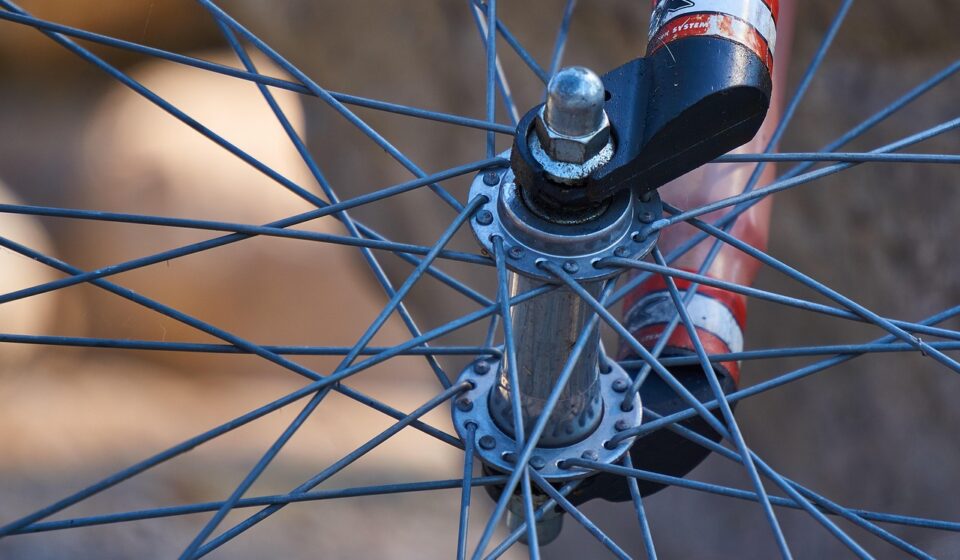
What a spindle hub does
A spindle hub is the wheel-end interface that keeps the wheel rotating in the correct position while carrying road loads, braking loads and, on driven axles, drive torque. In a front-wheel-drive or all-wheel-drive layout, the hub usually has internal splines that engage the outer CV joint. In many truck, trailer and full-floating axle layouts, the hub rotates around an axle spindle through tapered roller bearings. The part is often discussed together with wheel bearings, steering knuckles, brake rotors and axle shafts because all of these components meet at the wheel end. For a broader view of how this interface fits into torque delivery, see the driveline systems section.
The spindle hub does not create torque. Its value is in alignment, support and controlled rotation. A sound hub keeps the wheel flange square, maintains bearing preload or end play within specification, gives the brake rotor or drum a stable mounting face and preserves the wheel speed signal where an ABS encoder is integrated. When fitment, torque or bearing condition is wrong, the symptoms can resemble a driveline, brake or suspension problem.
Spindle hub, wheel hub, bearing and spindle are not the same part
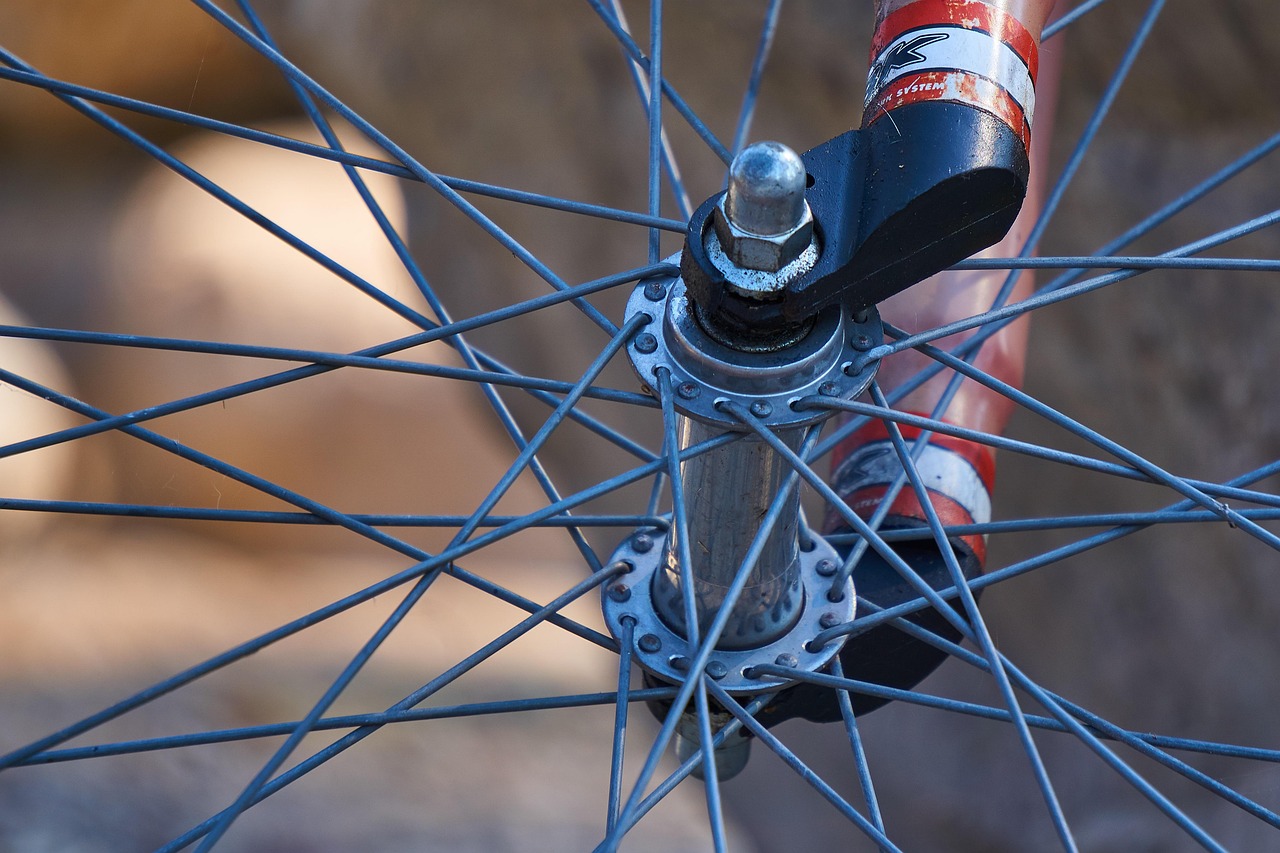
Searches for spindle hub often mix several terms that are related but not interchangeable. The distinction matters because a repair procedure, replacement part listing or engineering drawing may refer to only one element of the wheel end.
| Term | Main role | What to verify |
|---|---|---|
| Spindle | Fixed or semi-fixed shaft or journal that supports bearings and hub rotation | Diameter, thread condition, seal surface, bearing seat and damage from heat or scoring |
| Hub | Rotating flange or body that carries the wheel, brake rotor or drum and bearings | Bolt pattern, flange offset, pilot diameter, spline count and runout |
| Hub bearing assembly | Pre-assembled unit combining hub, bearings, seals and sometimes ABS encoder | Vehicle application, sensor type, connector, mounting holes and axle nut procedure |
| Wheel bearing | Rolling element set that lets the hub rotate under radial, axial and moment loads | Preload, lubrication, seal integrity, correct pressing support and contamination control |
| Steering knuckle | Suspension and steering structure that locates the hub assembly on many vehicles | Mounting face flatness, corrosion, fastener condition and bore wear |
SAE technical terminology for commercial wheel ends separates the axle spindle, bearing cones, spacers, seals and wheel hub because each part has a different dimensional interface. In service language, however, “spindle hub” may mean the complete hub-and-bearing unit or the hub that rides on a spindle. The safest interpretation is application-specific: confirm the vehicle layout before deciding which part is being replaced.
Why the spindle hub matters in the driveline load path
In a driven wheel end, torque reaches the road only after it passes through the final driveline connection. On a typical front-drive passenger vehicle, the transmission and differential send torque through a half shaft, the outer CV joint engages the hub splines, and the hub flange turns the wheel and tire. In a rear-drive solid axle, the axle shaft or drive flange may turn the hub directly or through a full-floating arrangement. In each case, the hub must transmit torque while also supporting vehicle weight, cornering forces and brake reaction forces.
Driven wheel ends
Driven hubs must hold spline engagement accurately. Excessive bearing play can change the angle and position of the CV joint or axle shaft, increasing vibration and seal stress. A damaged hub face can also create brake rotor runout, which may be mistaken for warped rotors. Because the wheel end sits at the intersection of the drivetrain, suspension and brakes, a small dimensional error can affect several systems at once.
Non-driven and trailer wheel ends
Non-driven hubs do not pass engine torque, but they still carry radial load, side load and braking load. Trailer and heavy-duty truck hubs often use serviceable tapered roller bearings, wheel seals, spindle nuts and end-play adjustment. Engineering literature on pre-packaged and unitized bearing assemblies explains why manufacturers moved toward sealed, pre-greased designs: fewer separate parts, more consistent assembly and less dependence on field adjustment.
Main spindle hub designs used in modern vehicles
There is no single universal spindle hub design. The correct design depends on vehicle weight, axle type, braking system, speed sensing strategy and service philosophy.
Unitized hub bearing assemblies
Many passenger cars, crossovers and light trucks use unitized hub bearing assemblies. These units may combine the hub flange, rolling elements, races, seals, mounting flange and wheel speed encoder. The assembly is usually replaced as a complete unit rather than rebuilt. Its advantages are compact packaging, controlled factory lubrication and easier installation. The tradeoff is lower serviceability if only one internal element fails.
Serviceable hub on spindle systems
Older light vehicles, many trailers and numerous commercial applications use a hub that slides over a spindle with inner and outer tapered bearings. This design allows bearing inspection, repacking, seal replacement and end-play adjustment. It is more serviceable, but it is also more sensitive to adjustment quality. Too much end play can allow wobble and seal leakage; too much preload can generate heat and shorten bearing life.
Full-floating axle hubs
In full-floating axles, the hub carries vehicle weight on bearings while the axle shaft mainly transmits torque. This layout is common where durability and load capacity matter. It separates load carrying from torque delivery more effectively than a semi-floating layout, but it uses more parts and requires careful attention to hub seals, axle flange fasteners and bearing settings.
Common failure signs and likely causes
A failing spindle hub or hub bearing often shows up as noise, looseness, heat or sensor faults. These symptoms should be diagnosed rather than assumed, because tires, brakes, CV joints and differential components can produce similar complaints.
| Symptom | Possible wheel-end cause | Why it matters |
|---|---|---|
| Growling or humming that changes with road speed | Bearing race or rolling element wear | Noise can progress to heat, looseness and loss of wheel-end control |
| Wheel play when lifted and checked correctly | Excessive bearing clearance, worn hub or damaged spindle seat | Play affects alignment, brake rotor position and sensor air gap |
| ABS or stability control warning | Damaged wheel speed sensor, encoder ring issue or incorrect hub type | Modern safety systems depend on reliable wheel speed signals |
| Brake pulsation after hub work | Dirty mounting face, flange runout or uneven rotor seating | Rotor runout can be induced by hub face problems rather than rotor quality alone |
| Repeated premature bearing failure | Wrong torque, corrosion, misalignment, contamination or incorrect part selection | Replacing the same assembly without correcting the cause can repeat the failure |
| Heat near the hub after service | Excessive preload, damaged bearing, dragging brake or low lubrication | Heat can damage seals, grease and adjacent driveline components |
Public service information from bearing manufacturers consistently emphasizes one point: axle nut torque and bearing adjustment are not approximate steps. On many unitized hubs, the center axle nut clamps the bearing stack and affects internal load. On adjustable tapered bearing systems, the procedure establishes end play along the spindle axis. In both cases, the correct specification must come from the vehicle or axle manufacturer.
Selection checklist for replacement or specification
Because spindle hubs are dimensional parts, visual similarity is not enough. A hub that bolts on but has the wrong offset, sensor design or spline count can create noise, warning lights, brake issues or driveline vibration. See also: braking and chassis.
- Application data: Confirm year, make, model, axle position, drive type and braking package. Mid-year changes are common in wheel-end parts.
- Drive connection: Check axle spline count, spline diameter, thread type and whether the vehicle uses a CV axle, drive flange or non-driven spindle.
- Mounting geometry: Verify bolt pattern, pilot diameter, flange offset, bearing bore and knuckle or spindle interface dimensions.
- ABS configuration: Match the sensor connector, harness routing, encoder style and left/right orientation where applicable.
- Bearing design: Identify whether the unit is sealed and pre-set, press-in, bolt-on, or serviceable with tapered bearings.
- Sealing surfaces: Inspect the spindle journal, seal land and hub bore for corrosion, scoring or grooves before installing new parts.
- Fasteners: Determine whether axle nuts, hub bolts, cotter pins, locking washers or flange bolts are single-use parts.
- Commercial standards: For truck and bus applications, SAE practices such as J2475 and J393 provide useful terminology and interface context, but the service specification still comes from the axle or vehicle maker.
Installation and maintenance limits
Most spindle hub problems after replacement come from fitment, cleanliness or procedure rather than from the basic concept of the part. The hub mounting face should be clean and flat. Rust scale behind a bolt-on hub can tilt the assembly enough to affect runout or sensor spacing. Press-fit bearings must be supported on the correct race during installation; pressing through the rolling elements can damage a new bearing before the vehicle moves.
Torque tools matter. Impact tools may be acceptable for removal, but final tightening should follow the specified sequence and torque method. Some procedures require tightening while rotating the hub, backing off, then setting final torque or end play. Others require a one-time torque-plus-angle axle nut. Substituting a general torque value is risky because the same-looking nut can serve different bearing designs.
Maintenance also differs by design. Sealed hub assemblies are usually inspected for noise, play, roughness and sensor function, then replaced if faulty. Serviceable tapered bearing hubs may require cleaning, inspection, lubrication, seal replacement and end-play measurement. In either case, contamination is the enemy. Water entry, damaged seals, incorrect grease and metal debris can quickly turn a minor bearing issue into a hub, spindle and brake problem.
Practical takeaways for buyers, technicians and content researchers
The spindle hub is best understood as a precision wheel-end interface, not just a metal flange. It controls where the wheel rotates, how loads enter the bearing set and how driven torque reaches the tire. That is why the same component can influence driveline vibration, brake smoothness, ABS function and tire wear.
For replacement decisions, the useful questions are specific: Is the wheel end driven or non-driven? Is the bearing unit sealed or adjustable? Does the hub include an ABS encoder? What torque or end-play procedure applies? Are the mounting faces and spindle surfaces still within usable condition? Answering these questions is more reliable than relying on a generic description of a spindle hub.
From an engineering perspective, the trend toward unitized assemblies reduces assembly variation and simplifies service, while serviceable spindle-and-hub systems remain important where load capacity, rebuildability and fleet maintenance practices matter. Neither design is automatically better in every application. The correct choice is the one that matches the axle architecture, load duty, sensing requirements and verified service procedure.
Frequently asked questions
Is a spindle hub the same as a wheel bearing?
No. The hub is the rotating structure or flange, while the bearing is the rolling element system that allows controlled rotation. Many modern vehicles combine both into a hub bearing assembly, which is why the terms are often used together.
Can a bad spindle hub damage a CV axle?
It can contribute to CV axle stress if bearing play, spline wear or hub misalignment changes the axle’s operating angle or engagement. However, CV clicking, vibration or boot damage can also come from the axle itself, so diagnosis should check both the hub and the half shaft.
Why does axle nut torque matter so much?
Axle nut torque can set or maintain the clamping force that the bearing assembly needs to operate correctly. Under-tightening may allow movement; over-tightening may overload the bearing. The correct value and method must come from the vehicle service information.
Is the spindle hub part of the driveline or the suspension?
It sits between systems. On a driven wheel, it is part of the final torque path from the axle or CV shaft to the wheel. At the same time, it is mounted through the knuckle, spindle or axle structure and carries suspension and braking loads.
When should a hub be replaced instead of serviced?
A sealed hub bearing assembly is generally replaced as a unit when it is noisy, loose, rough, damaged or causing verified sensor faults. A serviceable hub may be reused if the hub body, bearing seats, spindle surface and sealing areas remain within specification.