How the internal combustion engine works and why thermal systems matter
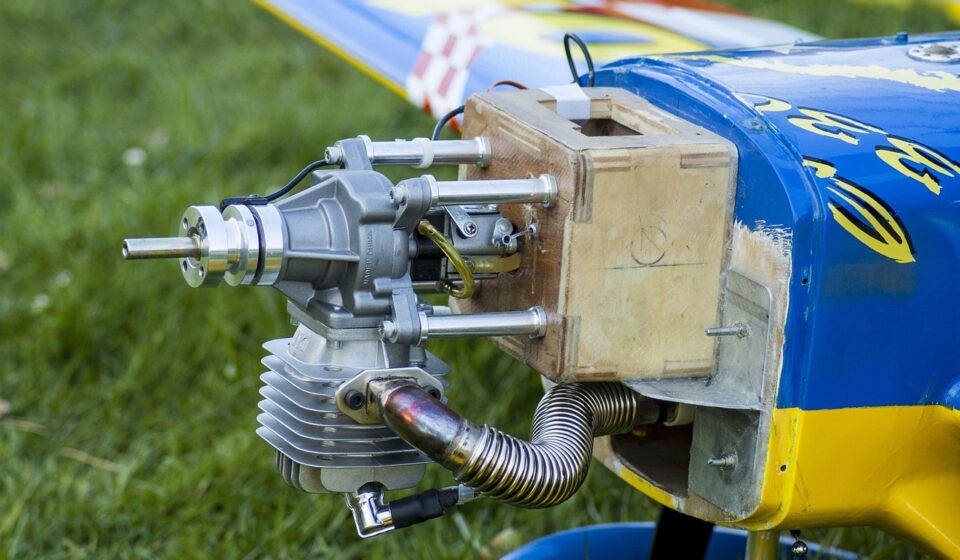
What an internal combustion engine does
An internal combustion engine converts the chemical energy in fuel into mechanical motion by burning a controlled charge inside the engine. In a vehicle, that motion turns the crankshaft and helps drive the wheels, either through a transmission or as part of a hybrid powertrain. The basic principle is well established, but modern ICE design is complex. Combustion quality, cooling, lubrication, exhaust treatment, turbocharging and electronic controls all affect efficiency, emissions, durability and drivability.
For that reason, the engine cannot be separated from its thermal system. Heat is not only a byproduct to remove. It is a condition that has to be managed across the cylinder head, coolant loop, oil circuit, intake air path and exhaust aftertreatment system.
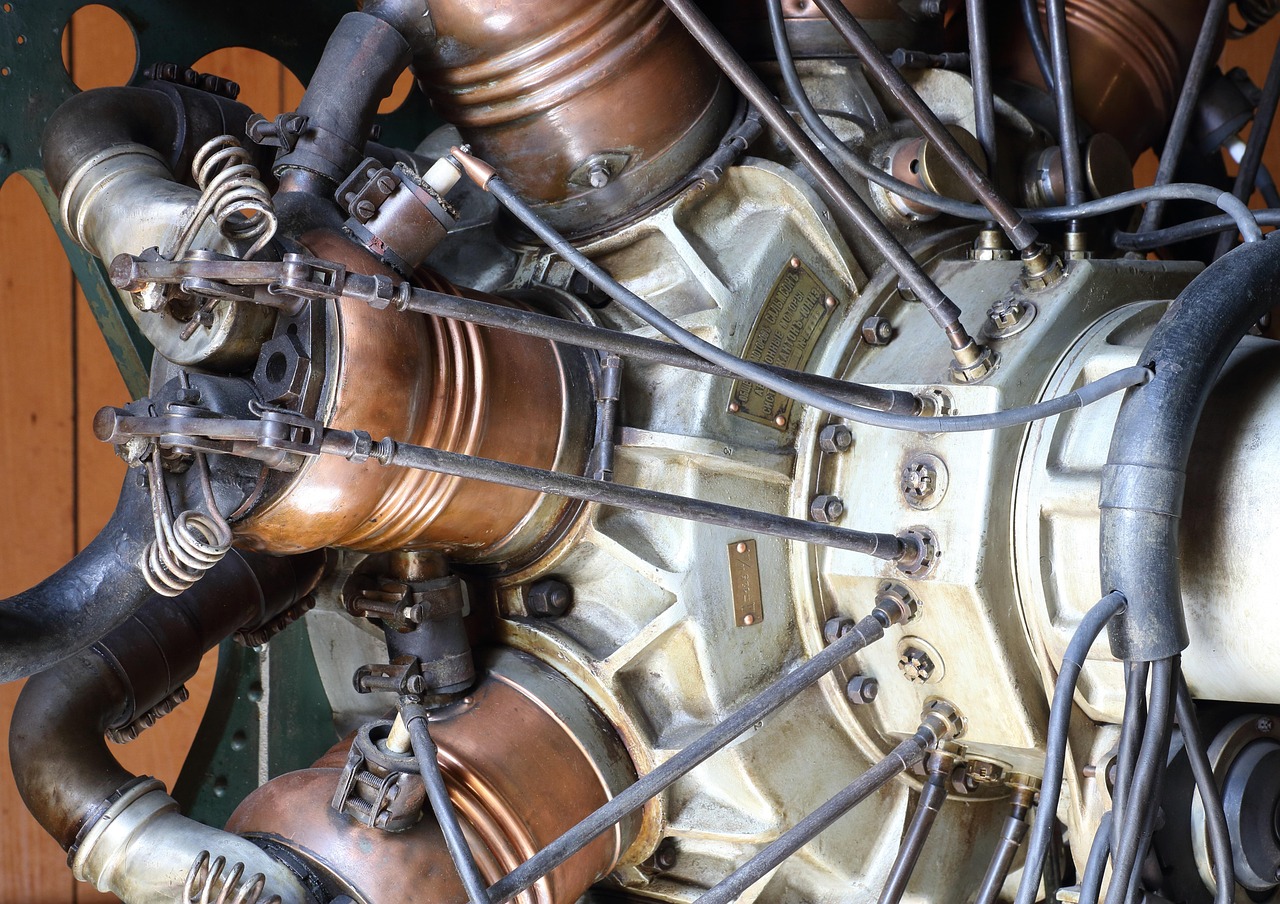
For readers following broader powertrain component topics, the engine and thermal systems section provides related coverage of cooling, combustion support and vehicle thermal management trends.
How the four-stroke cycle creates useful power
Most passenger-car gasoline and diesel engines use a four-stroke cycle: intake, compression, power and exhaust. The sequence repeats hundreds or thousands of times per minute. Air, fuel, spark or compression ignition must be timed precisely, because small changes in mixture preparation, combustion chamber shape, valve timing or charge temperature can affect fuel economy and emissions.
Intake and compression
During the intake stroke, the piston moves downward and draws air into the cylinder. In a gasoline direct-injection engine, fuel may be injected directly into the combustion chamber. In port-injection designs, fuel is mixed with air before entering the cylinder. Turbocharged engines add another step by compressing intake air before it reaches the cylinder, which allows more oxygen into a smaller displacement engine. Intercoolers then reduce charge-air temperature, improving density and helping control knock risk.
During compression, the piston moves upward and compresses the air-fuel charge in gasoline engines or air alone in diesel engines. Compression raises temperature and pressure, preparing the charge for combustion. A higher compression ratio can improve efficiency, but it also increases thermal and mechanical stress. This is one reason modern engines rely on precise cooling, knock detection, variable valve timing and fuel injection control.
Combustion and exhaust
In a spark-ignition gasoline engine, the spark plug initiates combustion near the end of compression. In a compression-ignition diesel engine, fuel is injected into hot compressed air and ignites without a spark plug. The expanding gases push the piston down during the power stroke, creating torque at the crankshaft. The exhaust stroke then pushes spent gases out of the cylinder and into the exhaust system.
The exhaust path is also a thermal system. Catalysts, particulate filters and selective catalytic reduction systems need suitable temperatures to work effectively. If temperatures are too low, conversion efficiency falls. If they are too high, components can age faster or suffer damage. This balance is especially important in stop-start operation, short urban trips and hybrid vehicles where the engine may switch on and off frequently.
Why thermal management is central to ICE performance
An internal combustion engine is often described as a mechanical device, but it is also a heat-management system. Only part of the fuel energy becomes useful mechanical work. The rest leaves through exhaust gases, coolant, oil, friction and radiation. The objective is not to make the engine as cold as possible; it is to keep each component within its intended temperature range.
| Thermal area | Main function | Why it matters |
|---|---|---|
| Engine coolant loop | Moves heat from the block and cylinder head to the radiator or heat exchangers | Protects metal parts, gaskets and combustion stability under changing load |
| Lubrication system | Reduces friction and carries heat away from bearings, pistons and valvetrain parts | Supports durability and helps reduce parasitic losses |
| Charge-air cooling | Lowers compressed intake-air temperature after turbocharging | Improves air density and helps control knock and emissions |
| Exhaust thermal control | Maintains catalyst and filter temperature windows | Critical for emissions performance, especially during cold starts |
| Cabin and hybrid heat integration | Shares or redirects heat for comfort and efficiency | Important when engines run less often in hybrid vehicles |
Thermostats, pumps, valves, sensors, radiators, fans, oil coolers, exhaust insulation and electronic control strategies all contribute to this balance. Electrically driven pumps and smart valves can decouple flow from engine speed, allowing more precise temperature control than purely mechanical systems. That flexibility matters because modern engines operate across very different conditions, including high-load highway driving, low-load city operation, frequent stop-start events and hybrid engine-off periods.
What is changing in modern ICE design
The internal combustion engine is not disappearing from the global fleet in one step. Its role is changing. Pure combustion powertrains face pressure from electric vehicles, while hybrids keep an engine onboard but use it differently. In both cases, the engine must become cleaner, more efficient and easier to integrate with software-controlled thermal and electrical systems.
Efficiency improvements are becoming more system-based
Older efficiency discussions often focused on displacement, compression ratio or fuel injection alone. Modern gains usually come from the combined effect of multiple systems: variable valve timing, cooled exhaust gas recirculation, turbocharging, high-pressure injection, low-friction coatings, thermal insulation, active grille shutters and optimized cooling circuits. A component that improves efficiency in one operating condition can create trade-offs in another. Faster warm-up, for example, can reduce cold-start emissions, but sustained high-load operation still needs enough cooling margin.
Hybridization changes engine duty cycles
In a hybrid vehicle, the engine may not run continuously. It may shut off at stops, operate at more efficient load points, restart repeatedly or work mainly as a generator in some architectures. These patterns change thermal stress. The engine and exhaust aftertreatment system may cool down more often, while restart smoothness and rapid catalyst light-off become more important. Thermal storage, electric heating, insulated exhaust components and smarter coolant routing can help address these challenges.
Aftertreatment remains part of the engine system
Emissions control is not only an exhaust-pipe issue. Combustion temperature, fuel-air mixing, oil consumption, exhaust gas temperature and sensor accuracy all influence what reaches the catalyst or filter. Gasoline particulate filters, three-way catalysts, diesel particulate filters and selective catalytic reduction systems depend on upstream engine behavior. For parts suppliers and service professionals, diagnosis increasingly requires a full-system view rather than replacement of one isolated component. See also: braking and chassis.
Market and regulatory context for ICE technology
Market data shows a transition, not a simple cutoff. The International Energy Agency reported in its Global EV Outlook 2026 that electric car sales exceeded 20 million in 2025, growing by about 20% from 2024. The agency also stated that internal-combustion-only car sales do not return to their 2017 peak in its scenarios. In a 2025 industry report, the IEA said electric and hybrid cars made up around 30% of total car sales in 2024, while global sales of pure ICE cars had fallen by about 30% from their 2017 peak.
Those figures point to a shrinking share for pure ICE sales, but they do not mean combustion engines vanish quickly from roads, repair networks or parts demand. Vehicles remain in use for many years after sale. Hybrids also retain engines, even when electric drive provides part of the propulsion. This creates a long overlap period in which combustion, hybrid and electric thermal systems all need engineering attention.
Regulation adds another layer. In the European Union, Regulation (EU) 2023/851 set a 100% CO2 reduction target for new cars and vans from 2035, changing the long-term outlook for conventional combustion-only sales in that market. The Council of the European Union also adopted Euro 7 rules in April 2024, addressing pollutant emissions from cars, vans, buses and trucks. In the United States, the policy path has been less stable: the U.S. EPA finalized multipollutant standards for model years 2027 and later in 2024, then in February 2026 finalized repeal of federal motor-vehicle greenhouse gas standards tied to the endangerment finding. In May 2026, the EPA separately proposed delaying Tier 4 criteria-pollutant standards for light- and medium-duty vehicles from model year 2027 to model year 2029. The practical lesson for manufacturers and suppliers is to track jurisdiction, pollutant category and model-year timing separately.
What this means for automotive parts and thermal systems
For the automotive parts industry, the internal combustion engine remains important, but value is shifting toward precision, integration and compliance readiness. The relevant components are not only traditional hard parts such as pistons, valves, crankshafts and bearings. Sensors, actuators, pumps, heat exchangers, filters, catalysts, control valves and thermal insulation are increasingly central to engine performance.
- Cooling components must support faster response. Variable-flow pumps, electronically controlled thermostats and active valves help manage warm-up, peak load and hybrid restart conditions.
- Air handling affects both power and emissions. Turbochargers, intercoolers, EGR coolers and intake sensors influence combustion temperature, knock margin and exhaust composition.
- Lubrication is part of thermal control. Low-viscosity oils, oil coolers and bearing design reduce friction while maintaining protection under higher temperatures and frequent restarts.
- Exhaust parts need temperature resilience. Catalysts, filters, oxygen sensors and NOx sensors must work within defined thermal windows and withstand repeated heating cycles.
- Hybrid integration creates new requirements. Engine-off operation can improve fuel economy, but it complicates cabin heating, catalyst temperature retention and engine restart durability.
The supply chain implication is clear: ICE-related parts are not only legacy components. The strongest demand areas are likely to be components that help combustion engines meet stricter efficiency, durability and emissions expectations, especially in hybrid and high-efficiency applications.
Frequently asked questions
What is the main difference between a gasoline and diesel internal combustion engine?
A gasoline engine usually uses spark ignition, where a spark plug starts combustion of an air-fuel mixture. A diesel engine uses compression ignition, where fuel is injected into hot compressed air and ignites without a spark plug. Diesel engines often operate at higher compression ratios and require different exhaust aftertreatment strategies.
Why does an internal combustion engine need a cooling system?
Combustion creates high temperatures that can damage metal parts, gaskets, oil and sensors if unmanaged. The cooling system keeps the engine within a controlled range, supporting durability, combustion stability and emissions performance. Modern cooling systems also help the engine warm up quickly to reduce friction and cold-start emissions.
Will hybrids still use internal combustion engines?
Many hybrids use an internal combustion engine together with one or more electric motors. The engine may run less often or operate in narrower efficiency zones, but it still needs cooling, lubrication, air handling and exhaust treatment. Plug-in hybrids add further complexity because the engine may stay off for long periods before restarting.
Is the internal combustion engine still relevant for parts suppliers?
Yes, but the opportunity is changing. Demand is moving toward efficient, sensor-rich and thermally optimized systems rather than simple mechanical replacement parts alone. Engines in hybrids, commercial vehicles and long-lived vehicle fleets will continue to require parts, service and engineering support for years.
What is the biggest technical challenge for future ICE systems?
The main challenge is balancing efficiency, emissions, cost and durability across real driving conditions. That requires better combustion control, faster thermal response, durable aftertreatment and tighter integration with hybrid controls. No single component solves the issue; performance depends on the whole engine and thermal system working together.