Dexter trailer axles explained for replacement, fit, and maintenance
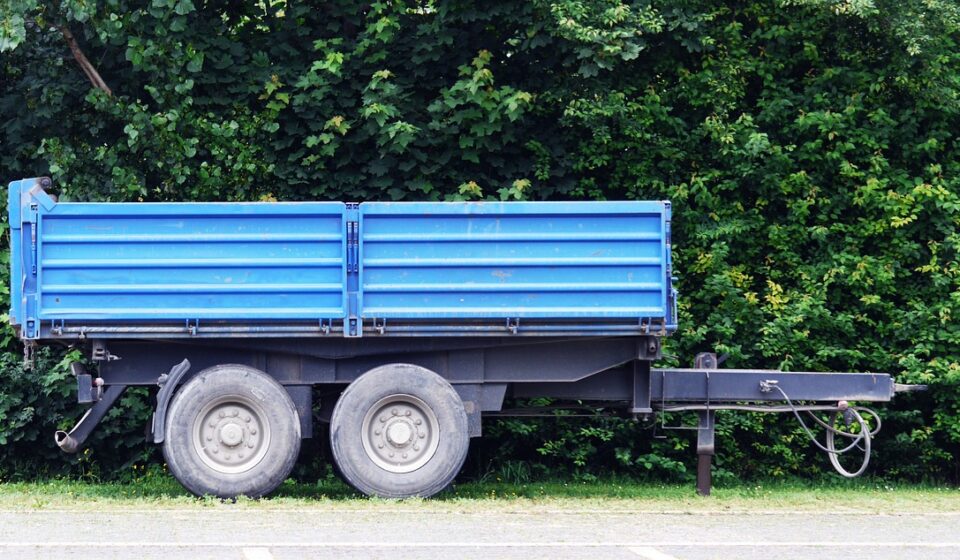
Dexter trailer axles are commonly searched as replacement parts, but the right choice is not based on the Dexter name alone. A replacement axle has to match the trailer’s rated load, hub face, spring center, suspension type, brake package, wheel end, and mounting geometry. Moving to a higher-capacity axle is not automatically safer if the frame, tires, brakes, coupler, or suspension are not rated for the same load. For owners, repair shops, and parts buyers, the best starting point is the axle label, followed by accurate measurements and a review of the trailer’s maintenance condition. Trailer axles are part of a wider running gear system, and related component context is available in our driveline systems section.
What people usually mean by Dexter trailer axles
In the trailer market, “Dexter trailer axles” usually refers to complete or replacement axle assemblies associated with Dexter running gear products. Depending on the configuration, an assembly may include the axle beam or torsion structure, spindles, hubs or hub-drums, bearings, seals, brake assemblies, mounting brackets, and related hardware. The term is used across utility trailers, boat trailers, RV trailers, livestock trailers, cargo trailers, and equipment trailers.
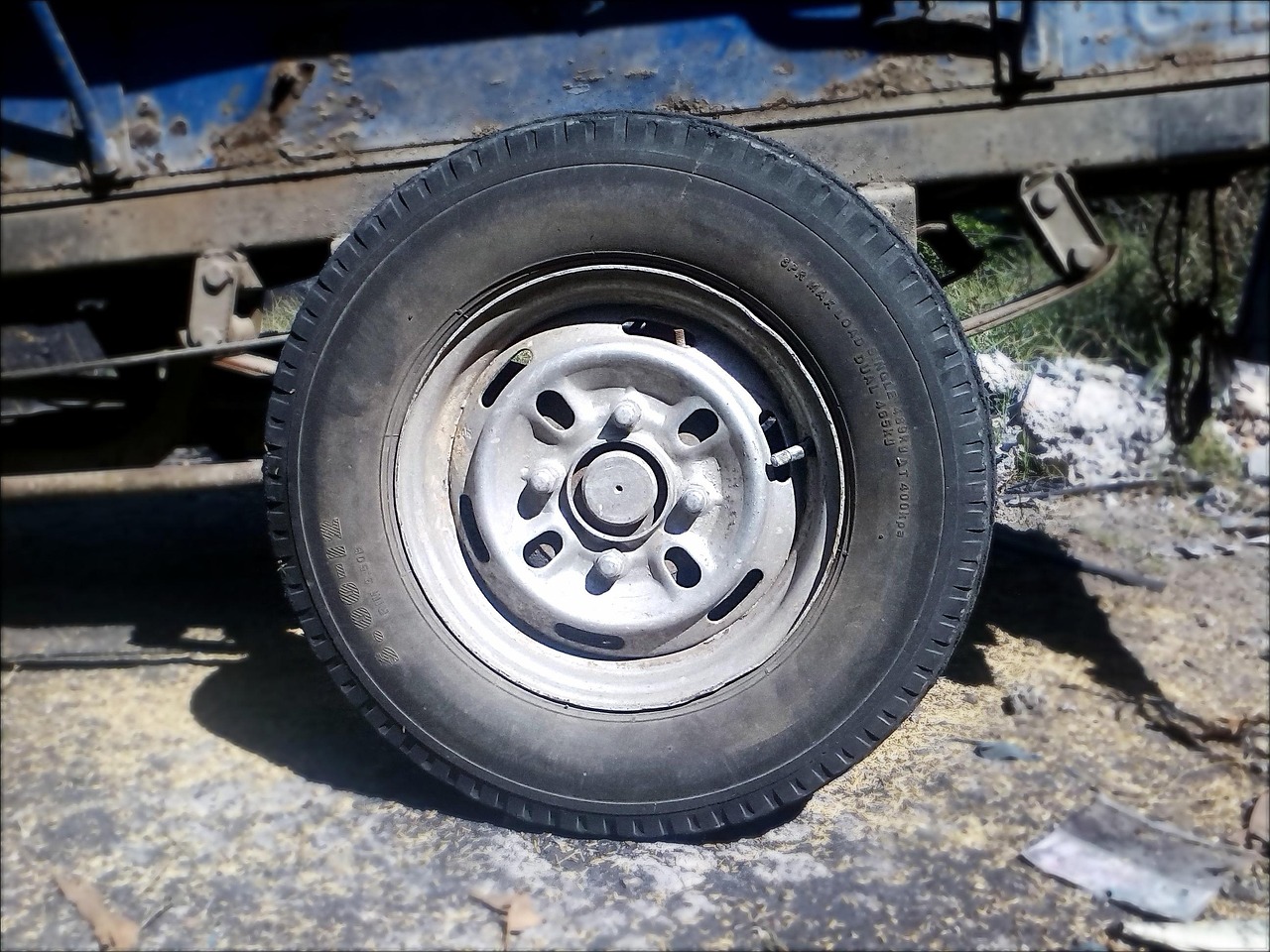
Dexter’s public technical materials separate axle information by duty range and system type. Light-duty references commonly cover axle capacities from 600 to 8,000 pounds, while separate medium-duty and heavy-duty catalogs address higher-capacity applications. In light-duty and many medium-duty applications, buyers usually compare two broad suspension layouts: leaf-spring axles and Torflex-style torsion axles.
The practical point is that “Dexter axle” is not a universal part number. Two trailers with the same gross vehicle weight rating may still require different axle lengths, brake sizes, hub patterns, spring seats, start angles, lubrication arrangements, and mounting hardware. Treat the brand as one identifier, not the full specification.
Key specifications that decide whether an axle will fit
The first step in identifying or replacing a Dexter axle is to look for the axle label or serial number. Dexter’s own guidance says sprung and Torflex axle labels are typically located on the side of the axle facing the rear bumper. The label may include the axle model, capacity, serial number, hub face, spring center, outside bracket dimensions, start angle, and brake-related callouts.
If the label is missing or unreadable, careful measurement becomes critical. The following dimensions are especially important:
| Specification | What it means | Why it matters |
|---|---|---|
| Hub face | Distance from one wheel mounting surface to the other | Controls overall axle width, tire position, and fender clearance |
| Spring center | Distance between the centers of the suspension mounting points | Must match the trailer frame and suspension layout |
| Overhang | Distance from the spring center to the hub face | Affects load path, clearance, and axle stress |
| Start angle | Arm angle used on torsion axle configurations | Influences ride height and cannot be casually changed after build |
| Bolt pattern | Wheel stud pattern on the hub or hub-drum | Must match the trailer wheels and load-rated tires |
Small measurement errors can create both visible and hidden problems. A hub face that is too narrow may cause tire-to-frame or tire-to-fender interference. The wrong spring center can force poor alignment or unsafe bracket changes. Incorrect overhang can change how loads are carried by the axle tube and suspension. For torsion axles, bracket style and start angle are part of the fit decision, not cosmetic details.
Capacity ratings are a system decision, not an axle-only decision
Axle capacity is one of the most visible numbers in any replacement discussion, but it must be read alongside the trailer’s full rating structure. The National Highway Traffic Safety Administration has described gross vehicle weight rating as the manufacturer-specified loaded weight of a vehicle, while gross axle weight rating is the load-carrying capacity of a single axle system measured at the tire-ground interface. That distinction matters because a trailer’s safety depends on the axle system, tires, wheels, brakes, frame, suspension, and hitch arrangement working together.
Installing a higher-rated axle does not automatically raise the trailer’s legal or practical carrying capacity. The trailer manufacturer’s certification label, tire ratings, wheel ratings, coupler rating, safety chain rating, brake capacity, and frame design remain limiting factors. In some cases, over-specifying the axle can also affect ride quality because a lightly loaded high-capacity axle or suspension may not move as intended over rough roads.
A sound replacement rule is to match the original rating and configuration unless a qualified trailer engineer or manufacturer-approved service source has confirmed that the surrounding structure can support a change. For RV and cargo trailers, payload calculations should also account for tongue weight because part of the trailer load is transferred to the tow vehicle. For boat trailers, how the hull sits on bunks or rollers can further influence axle loading, even when the nameplate ratings appear adequate.
Sprung axles and Torflex axles have different trade-offs
Many trailer owners compare Dexter-style leaf-spring axles with Torflex torsion axles because both are used in common light-duty and medium-duty applications. The better choice depends on the trailer design rather than a simple ranking.
| Axle type | Common strengths | Important limitations |
|---|---|---|
| Leaf-spring axle | Familiar layout, broad service familiarity, replaceable springs and equalizers, common in tandem trailers | More wear points such as bushings, shackles, hangers, and equalizers; ride depends on load and spring condition |
| Torflex torsion axle | Independent wheel movement, rubber-cushioned suspension, fewer exposed suspension wear parts, ride height options through start angles | Start angle is built into the axle; heat from welding can damage the internal rubber cords; standard triple-axle use requires caution |
Dexter’s public FAQ notes that Torflex axles use rubber cords as part of the suspension system, which is why welding on the bracket or tube is not treated like a routine modification. The same FAQ also states that the start angle cannot simply be changed after the axle is built because different start angles use different components. This is a key reason replacement buyers should not order based only on capacity and hub pattern.
For multi-axle trailers, load sharing is another important difference. A typical leaf-spring tandem system often uses equalizers to help share load between axles. Torsion axles act more independently, so uneven ground can place high momentary loads on one axle. Dexter’s own guidance warns against standard triple Torflex applications except where specifically designed axle configurations are used.
Brake, hub, bearing, and lubrication choices affect service life
A trailer axle replacement often becomes a brake and wheel-end decision as well. Dexter-related configurations may include electric drum brakes, hydraulic drum brakes, or hydraulic disc brakes depending on axle rating, trailer use, and market. Electric drum brakes are common on RV and utility trailers because they integrate with tow-vehicle brake controllers. Hydraulic surge brakes are common on some boat trailers. Disc brakes may be selected where corrosion resistance, heat control, or repeated braking performance is a priority, although the actuator and hydraulic system must match the brake design. See also: braking and chassis.
Self-adjusting electric drum brakes, such as Dexter’s Nev-R-Adjust line, are designed to maintain brake clearance during normal brake actuation. They do not remove the need for inspection. Brake linings, magnets, wiring, breakaway systems, hub-drums, and controllers remain maintenance items. A trailer that sits for long periods can still develop corrosion, wiring faults, seal leakage, or bearing contamination.
Bearings and seals deserve close attention because failures often begin quietly. Dexter’s maintenance materials emphasize proper lubrication and periodic inspection. E-Z Lube fittings and oil-bath systems can make lubrication more convenient, but they should not be treated as substitutes for opening and inspecting the wheel end at the recommended interval. If a seal has been removed, it should generally be replaced rather than reused, because seal failure can contaminate brake linings and reduce braking performance.
Maintenance intervals that owners should not ignore
Dexter’s light-duty service materials organize trailer maintenance by use and mileage intervals. The exact schedule for a specific trailer should follow the trailer manufacturer and axle documentation, but the pattern is useful for planning inspections.
- Before or at every use: confirm brake operation, breakaway function, tire condition, and tire inflation pressure.
- Every three months or 3,000 miles: check brake adjustment where manual adjustment is required, grease wet bolts or specified bushings, and verify wheel nut torque according to the applicable torque chart.
- Every six months or 6,000 miles: inspect brake magnets, controller operation, suspension parts, and wheels for abnormal wear, cracks, distortion, or loose hardware.
- Every twelve months or 12,000 miles: inspect brake linings, hydraulic parts if equipped, brake lines, wiring, hub-drums, bearings, seals, springs, hangers, and related mounting points.
Severe service can shorten these intervals. Boat trailers face water intrusion and corrosion. Construction and agricultural trailers may see overload events, mud, impact damage, and long idle periods. RV trailers may spend months parked and then travel long distances at highway speed. In all of these cases, calendar time matters as much as mileage.
A practical checklist before buying a replacement axle
Before ordering a replacement axle, gather the information a supplier or service shop will need. The checklist below reduces the risk of receiving an axle that is close, but not correct.
- Photograph the axle label and record the serial number if present.
- Record the trailer manufacturer, model, year, GVWR, and GAWR from the certification label.
- Measure hub face, spring center, and overhang carefully.
- Identify whether the suspension is leaf spring, slipper spring, double-eye spring, or torsion.
- Record the brake type, brake size, and whether the brakes are electric, hydraulic drum, or hydraulic disc.
- Confirm hub bolt pattern, wheel size, tire load rating, and bearing or seal numbers if available.
- Check whether the axle is overslung or underslung if using leaf springs.
- For torsion axles, confirm start angle, bracket style, and mounting orientation.
- Inspect the frame, hangers, equalizers, shackles, and coupler before assuming the axle is the only worn part.
This approach also helps separate axle failure from system problems. Uneven tire wear, for example, may come from a bent axle, but it may also be caused by poor alignment, overloaded tires, worn suspension bushings, loose wheel bearings, or incorrect inflation pressure. Replacing the axle without finding the cause can lead to the same failure returning.
Frequently asked questions
Are Dexter trailer axles universal replacements?
No. Dexter trailer axles are built in many capacities, lengths, suspension layouts, brake configurations, and wheel-end options. A replacement should match the axle label, trailer ratings, and measured dimensions rather than only the brand name.
Can I upgrade from a 3,500-pound axle to a 5,200-pound axle?
Only if the trailer frame, suspension, tires, wheels, brakes, coupler, and certification limits support the change. A higher axle rating by itself does not increase the trailer’s official GVWR or guarantee better safety.
What measurements matter most when replacing a trailer axle?
Hub face and spring center are the core measurements for many leaf-spring replacements. Overhang, bracket style, brake size, bolt pattern, and bearing package also matter. For torsion axles, start angle and bracket configuration are especially important.
Do E-Z Lube hubs eliminate bearing service?
No. Convenient lubrication systems can help add grease, but they do not replace periodic inspection of bearings, cups, seals, hubs, and brakes. Inspection is especially important after water exposure, overheating, or long storage.
Is a Torflex axle better than a leaf-spring axle?
Not in every application. Torflex axles can offer independent wheel movement and fewer exposed suspension wear parts, while leaf-spring systems are familiar, widely serviceable, and common in equalized tandem layouts. The correct choice depends on trailer design, load, road use, service expectations, and replacement geometry.