Air filter car maintenance guide for symptoms, replacement timing and diagnostics
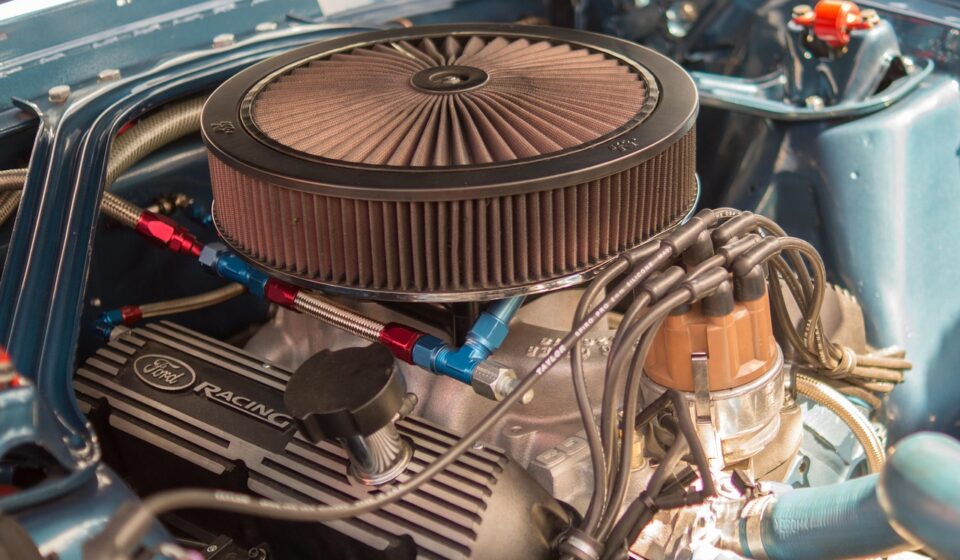
Air filter car maintenance questions usually refer to the engine air filter, not the cabin filter. The engine filter protects the intake system from dust and grit before air reaches the throttle body, turbocharger, mass airflow sensor, or cylinders. On modern fuel-injected vehicles, a dirty filter does not always cause a major fuel-economy loss, but it can reduce acceleration, increase intake restriction, and complicate drivability diagnosis. The correct replacement interval is the one in the vehicle owner’s manual, adjusted for dusty roads, heavy traffic, construction areas, or off-road use. For workshops, the useful question is not only whether the filter looks dirty, but whether it is restricted, damaged, incorrectly fitted, or connected to a reported symptom.
What a car air filter does
The engine air filter sits in the air box or intake housing and screens incoming air before it enters the engine. Its job is straightforward: allow enough airflow for combustion while keeping abrasive particles away from sensitive components. On many gasoline vehicles, the airflow path includes the filter, air box, intake duct, mass airflow sensor, throttle body, intake manifold, and then the cylinders. On turbocharged engines, the filter also protects the compressor wheel and the intake tract upstream of the turbo.
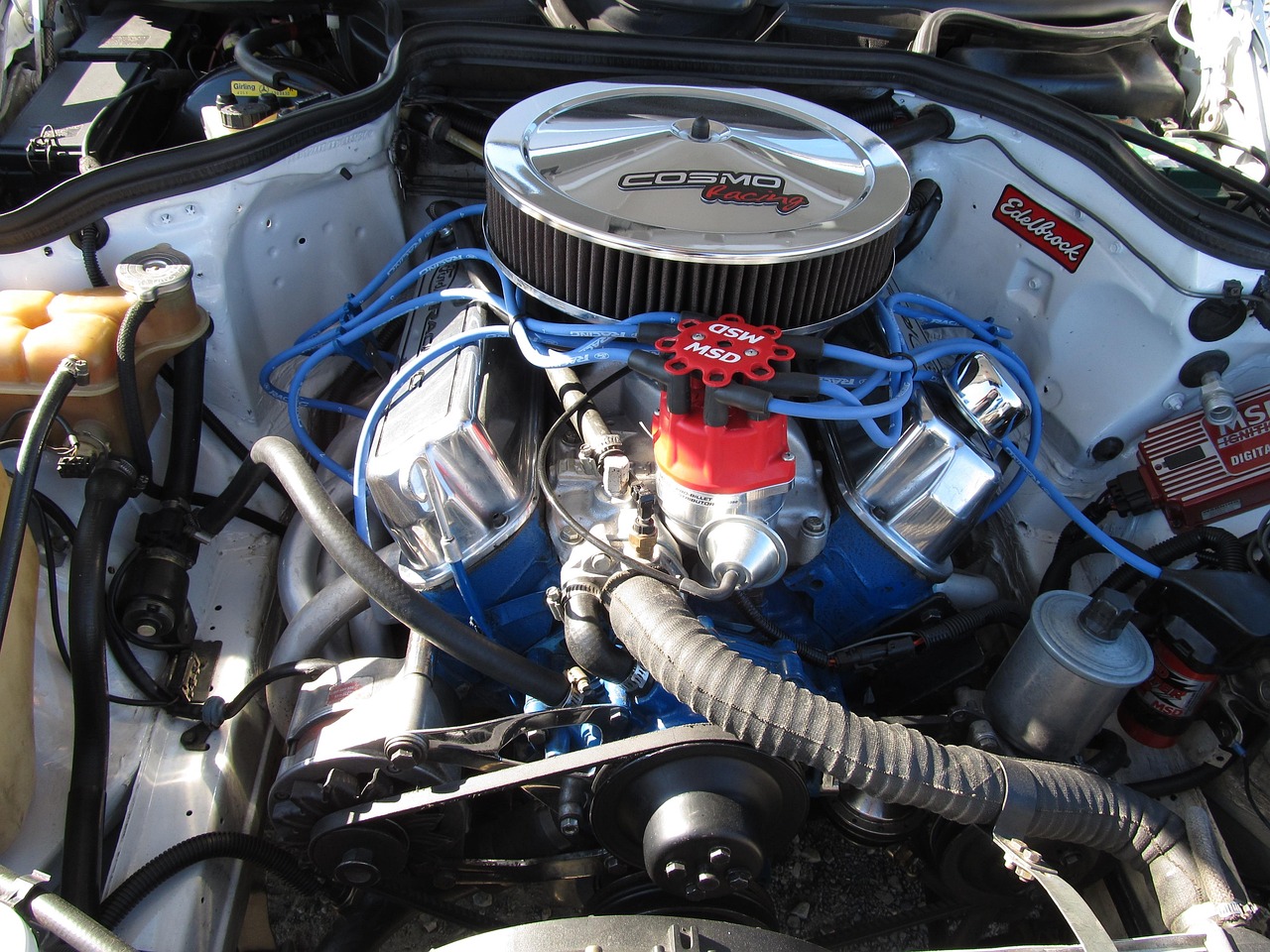
A clean, correctly sealed filter helps the engine management system work with predictable airflow. If the filter is missing, torn, poorly seated, or bypassed by a cracked air box, unfiltered air can enter the intake. That can contaminate the mass airflow sensor, wear internal engine surfaces over time, and create misleading diagnostic symptoms. A heavily restricted filter can also limit how much air the engine can pull in under load, especially during hard acceleration or hill climbing.
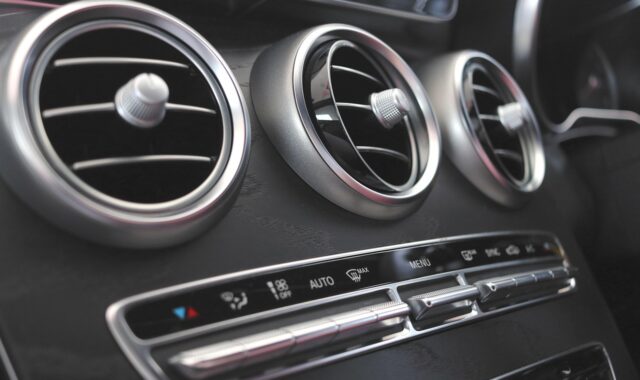
Drivers sometimes confuse the engine air filter with the cabin air filter. The cabin filter cleans air entering the passenger compartment through the HVAC system. It can affect vent airflow, odor, defogging performance, and dust inside the cabin, but it does not feed the engine. If the complaint is weak heater or air-conditioner airflow, inspect the cabin filter. If the complaint is hesitation under load, intake noise, poor throttle response, or a contaminated intake sensor, inspect the engine air filter and intake system.
When to replace an engine air filter
There is no single mileage interval that fits every vehicle or driving environment. Many maintenance schedules place engine air filter inspection or replacement around routine service intervals, but the correct reference is the manufacturer’s service schedule for the exact year, make, model, and engine. Some vehicles also include severe-service notes for dusty roads, frequent short trips, towing, or commercial use.
Independent maintenance organizations commonly advise annual inspection of engine and cabin filters, while parts and repair networks often publish broad replacement ranges such as 12,000 to 15,000 miles for cabin filters and periodic inspection for engine filters. Those figures are useful reminders, not substitutes for the owner’s manual. A vehicle used mostly on clean highways may run longer between filter changes than one driven near farms, construction sites, wildfire ash, unpaved roads, or heavy urban dust.
For a workshop or fleet operator, a practical replacement decision should combine three checks:
- Service history: mileage, date, and whether the vehicle has operated in dusty or severe conditions.
- Physical condition: heavy debris, oil saturation, water damage, collapsed pleats, torn media, damaged seals, or evidence that dirt has passed around the filter.
- Symptoms and data: reduced power, intake restriction readings where available, abnormal mass airflow data, or a related diagnostic trouble code.
A slightly gray filter has not automatically failed. Filter media can look used while still flowing enough air. Replacement is justified when the filter is restricted, damaged, contaminated, past the manufacturer’s interval, or no longer sealing correctly.
Common signs of a dirty or damaged air filter
A clogged engine air filter usually shows up most clearly when the engine needs a high volume of air. Symptoms may be subtle in light city driving and more obvious when accelerating onto a highway, climbing a grade, or carrying extra load. Common signs include sluggish acceleration, reduced high-rpm power, unusual intake noise, or a sense that the engine is working harder than normal.
In older carbureted vehicles, a severely restricted air filter can enrich the mixture and affect fuel use more noticeably. Modern fuel-injected vehicles use sensors and closed-loop fuel control to adjust fuel delivery, so the fuel-economy effect may be smaller than many older maintenance claims suggest. Research associated with Oak Ridge National Laboratory and SAE testing found that clogged filters had little measurable fuel-economy effect on several modern fuel-injected test vehicles, while acceleration performance was affected. That distinction matters: a filter can be worth replacing for airflow and drivability even when it is not the main cause of a fuel-economy complaint.
Other symptoms can point away from the filter. A check engine light with lean codes may indicate an intake leak after the mass airflow sensor, a cracked duct, a vacuum leak, or a fuel delivery issue. A rich code may involve a contaminated MAF sensor, leaking injector, fuel pressure fault, or oxygen sensor feedback issue. A rough idle immediately after filter replacement may be caused by an unplugged sensor connector, a loose intake clamp, a misaligned air box cover, or debris disturbed during service.
Cabin filter symptoms are different. A restricted cabin filter may cause weak vent airflow, musty smell, noisy blower operation, slow windshield defogging, or more dust inside the vehicle. It will not normally cause engine hesitation or reduced engine power.
How workshops can diagnose air filter problems
A professional air filter check should be quick, but it should not be careless. Removing the filter creates an opportunity for dirt to fall into the clean side of the air box, so the housing should be opened carefully and inspected before the new part is installed. The technician should check not only the filter media, but also the air box, clips, rubber seals, intake duct, resonator chambers, and sensor wiring.
Useful diagnostic steps include:
- Inspect the dirty side and clean side separately. Dirt on the dirty side is expected. Dirt trails on the clean side can indicate poor sealing, a wrong filter, a warped housing, or broken clips.
- Check filter fitment. A filter that is close but not correct can leave a gap. Aftermarket catalogs should be verified by VIN, engine code, and production notes where necessary.
- Look for oil or water contamination. Oil may come from over-oiled reusable filters, crankcase ventilation issues, or service error. Water staining may indicate splash intrusion or a damaged intake snorkel.
- Inspect intake ducting. Cracks after the MAF sensor can create unmetered air and lean drivability problems that are sometimes blamed on the filter.
- Compare scan data when symptoms exist. MAF readings, fuel trims, throttle position, and load data can help distinguish restriction from sensor, fuel, or vacuum faults.
Some heavy-duty and off-road applications use restriction indicators or service gauges. Passenger cars often do not, so visual inspection and symptom-based diagnostics remain common. For modern vehicles, the goal is to avoid replacing parts by habit when the real problem is a loose clamp, aftermarket intake leak, sensor contamination, or incorrect installation. See also: braking and chassis.
Paper, reusable, and performance filters
Most original-equipment engine air filters use disposable pleated paper or synthetic media designed to balance filtration efficiency, airflow, packaging, noise, and service life. For ordinary commuting, an OE-quality replacement is usually the safest choice because it is designed to fit the air box and seal correctly.
Reusable performance filters are marketed for airflow and long service life, but they require correct cleaning and oiling procedures if they use oiled media. Too much oil can contaminate nearby sensors, while too little or uneven maintenance can reduce filtration performance. A performance filter also does not automatically add power in a stock vehicle if the original intake system was not the limiting factor. For a daily driver, fitment quality and filtration are more important than advertising claims.
Cabin filters also come in different types. A basic particulate cabin filter captures dust and debris. Activated-carbon versions can help reduce some odors and gases, though they are not a cure for mold in the HVAC case or exhaust leaks entering the cabin. If the vehicle uses a cabin filter with an airflow direction arrow, installing it backwards may reduce effectiveness or create noise.
Replacement mistakes that create new problems
Air filter service is often considered easy, which is one reason mistakes are common. The most frequent problem is an air box cover that is not fully latched after replacement. Even one missed clip can create a bypass path for dust or allow the filter to deform. Another common issue is leaving tools, packaging fragments, leaves, or old gasket material inside the housing.
Technicians should also avoid using compressed air aggressively on disposable filters. Blowing out a paper filter can damage the media or drive fine particles deeper into the material. If a filter is dirty enough to justify cleaning attempts, replacement is usually the more reliable option. Reusable filters should be serviced only according to the manufacturer’s instructions.
After installation, check that the intake tube is seated, clamps are tight, electrical connectors are attached, and no vacuum or PCV hoses were knocked loose. If the engine immediately idles poorly or the check engine light appears after service, recheck the work area before assuming the new filter is defective.
A practical inspection checklist
| Check point | What to look for | Why it matters |
|---|---|---|
| Filter media | Heavy dust, leaves, insects, oil, water stains, collapsed pleats, tears | Shows restriction, contamination, or physical failure |
| Filter seal | Gaps, hard rubber, crushed corners, wrong shape | Prevents unfiltered air from bypassing the media |
| Air box | Broken clips, warped cover, dirt on clean side | Reveals sealing or housing problems |
| Intake duct | Cracks, loose clamps, disconnected hoses | Helps separate filter issues from unmetered-air faults |
| Sensor area | Loose MAF connector, contamination, disturbed wiring | Prevents drivability problems after service |
| Service record | Date, mileage, part number, driving conditions | Improves future maintenance decisions |
For more diagnostic topics related to inspection routines, sensor symptoms, and maintenance checks, visit the workshop diagnostics section.
Frequently asked questions
Can a dirty air filter reduce fuel economy?
It can, especially on older carbureted vehicles or in severe restriction cases. On many modern fuel-injected vehicles, fuel control systems can reduce the direct fuel-economy effect, so the more noticeable problem may be reduced acceleration or power under load. If fuel economy drops suddenly, also check tire pressure, driving conditions, brakes, fuel trims, oxygen sensor data, and engine temperature control.
Can I drive with a dirty engine air filter?
A mildly dirty filter may not cause an immediate breakdown, but a heavily restricted, wet, torn, or poorly sealed filter should be replaced promptly. Driving with a damaged or bypassing filter can allow dirt into the intake system. Driving with a severely restricted filter can reduce performance and make diagnosis harder.
Is the cabin air filter the same as the engine air filter?
No. The engine air filter protects the engine intake. The cabin air filter cleans air entering the passenger compartment through the heating and air-conditioning system. They are usually in different locations and have different symptoms when restricted.
Should I replace the air filter myself?
Many engine air filters are accessible to careful vehicle owners, but some are located under covers, ducts, or sensor assemblies. If you replace it yourself, use the correct part, keep dirt out of the clean side of the air box, seat the filter evenly, and confirm that every clip, clamp, and connector is secure.
Do performance air filters always improve horsepower?
No. A performance filter only helps if the original intake path is a meaningful restriction and the new filter maintains proper filtration and fitment. On many stock daily drivers, the difference may be small or not noticeable. Poor fitment or incorrect maintenance can create more risk than benefit.