How to choose the best brakes and rotors for your vehicle
Why the best choice is not one kit for every car
The best brakes and rotors are the ones that match the vehicle, the driver and the heat load the braking system actually sees. For many daily drivers, that means an OE-equivalent coated rotor paired with a quality ceramic or low-metallic pad. For towing, mountain driving, fleet work or repeated high-speed stops, a semi-metallic or application-specific performance compound may be a better fit.
The goal is not to buy the most aggressive-looking kit. It is to match friction material, rotor design, hardware and installation quality to the vehicle’s duty cycle. This guide explains the practical trade-offs behind pad compounds, rotor styles, certification signals and replacement limits so readers can make a safer, more durable choice. For more related technical explainers, visit the braking and chassis section.
Start with vehicle fitment and original design
Brake systems are engineered as a package. The caliper, rotor diameter, rotor thickness, pad shape, hydraulic system, ABS calibration, stability control and tire grip all affect stopping behavior. A part that fits one trim level may not fit another trim of the same model year, especially if the vehicle has a larger wheel package, towing package, sport brake option or hybrid and electric regenerative braking strategy.
Before comparing brands or rotor styles, confirm the basic specifications: front or rear axle position, rotor diameter, rotor thickness, vented or solid construction, hub bore, bolt pattern, parking brake design, wear sensor, abutment hardware and caliper bracket requirements. If the vehicle uses electronic parking brake service mode, pad wear sensors or torque-to-yield fasteners, the repair procedure matters as much as the parts.
OE-equivalent is often the right baseline
Original-equipment-style parts are not automatically the highest-performing option, but they are a sensible baseline for a normal street vehicle. They are designed around predictable pedal feel, noise control, cold performance, wet performance, dust, durability and compatibility with stability systems. A street vehicle usually does not need a race compound that works best at high temperature but feels weak, noisy or abrasive during cold urban driving.
Do not separate braking from chassis condition
Brake feel can be affected by components outside the pad and rotor. Worn suspension bushings, loose wheel bearings, uneven tire wear, incorrect tire pressure and corroded caliper slide pins can mimic brake problems. If a vehicle shakes under braking, the cause may be rotor thickness variation, hub runout, pad deposits, suspension looseness or wheel and tire issues. Replacing rotors without checking the surrounding chassis can turn an expensive brake job into a repeat repair.
Compare pad compounds before choosing rotors
The pad compound determines much of the system’s character. Rotor design matters, but the friction material is what creates the contact behavior against the disc. Most passenger-vehicle replacement pads fall into ceramic, semi-metallic, organic or low-metallic NAO categories. Within each category, formulas vary widely, so the categories should be treated as a guide rather than a guarantee.
| Pad type | Best-fit use | Main strengths | Common trade-offs |
|---|---|---|---|
| Ceramic | Daily commuting, light-duty cars, drivers who value low dust and quiet operation | Clean wheels, stable street manners, often low noise | May not be the best choice for heavy towing or repeated high-heat stops |
| Semi-metallic | Trucks, SUVs, towing, mountain routes, spirited street use | Strong heat handling and good bite under load | Can be noisier, dustier and harder on rotors |
| Organic or NAO | Light-duty economy applications where comfort and cost matter | Quiet operation and gentle engagement | Often wears faster and may have less fade resistance |
| Low-metallic NAO | Drivers wanting more bite than many ceramics without a full semi-metallic feel | Balanced heat transfer and braking response | Can create more dust and noise than ceramic pads |
For a compact commuter, a premium ceramic pad and coated OE-style rotor may be the best brake and rotor combination. For a pickup that regularly tows, a semi-metallic pad on a high-quality vented rotor may be a better match. For track use, neither ordinary ceramic nor ordinary semi-metallic street pads should be assumed sufficient; track compounds, fluid, cooling and rotor metallurgy become separate decisions.
Choose rotor design by heat, corrosion and service life
Rotors are often marketed by appearance, but the important questions are more practical: can the rotor absorb and shed heat, resist corrosion in the vehicle environment, remain within thickness limits and maintain smooth contact with the pad?
Plain and vented rotors
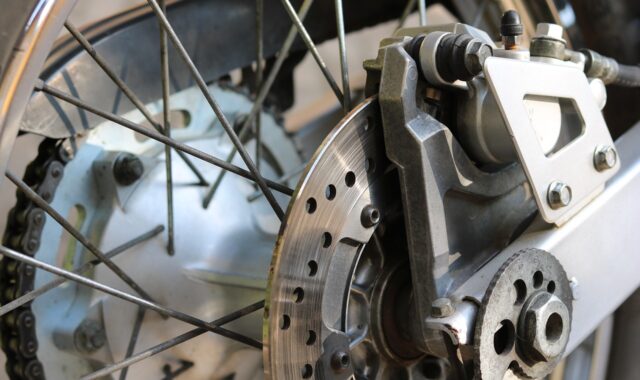
For most street vehicles, a plain-face rotor in the correct vented or solid specification is the most sensible choice. Vented rotors use internal vanes to move heat away from the friction surfaces and are common on front axles and heavier applications. A well-made plain rotor offers full pad contact area, predictable bedding and low noise risk. It is often the best option when reliability, cost and service life matter more than appearance.
Coated rotors
Coated rotors use protective finishes on non-friction areas such as the hat, vanes and outer edges. They do not shorten stopping distance by themselves, but they can reduce visible rust and make future service easier in regions that use road salt. If the friction surface is coated, the coating is normally designed to clear during the bedding process. Installation instructions should be followed closely so the pad material transfers evenly.
Slotted and drilled rotors
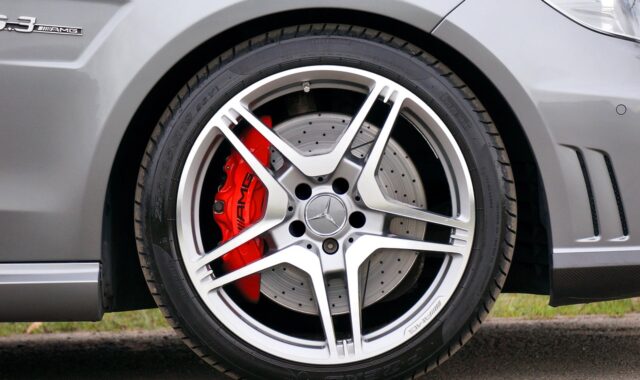
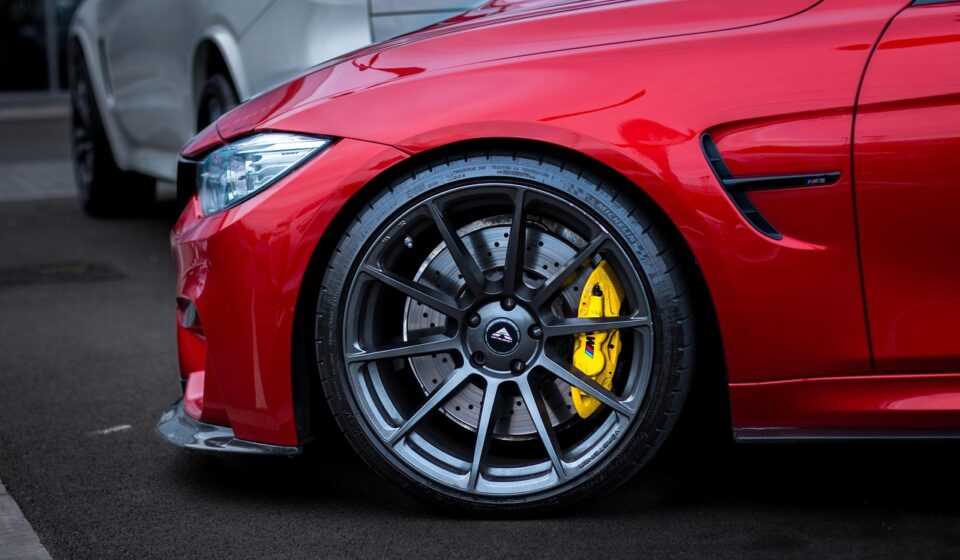
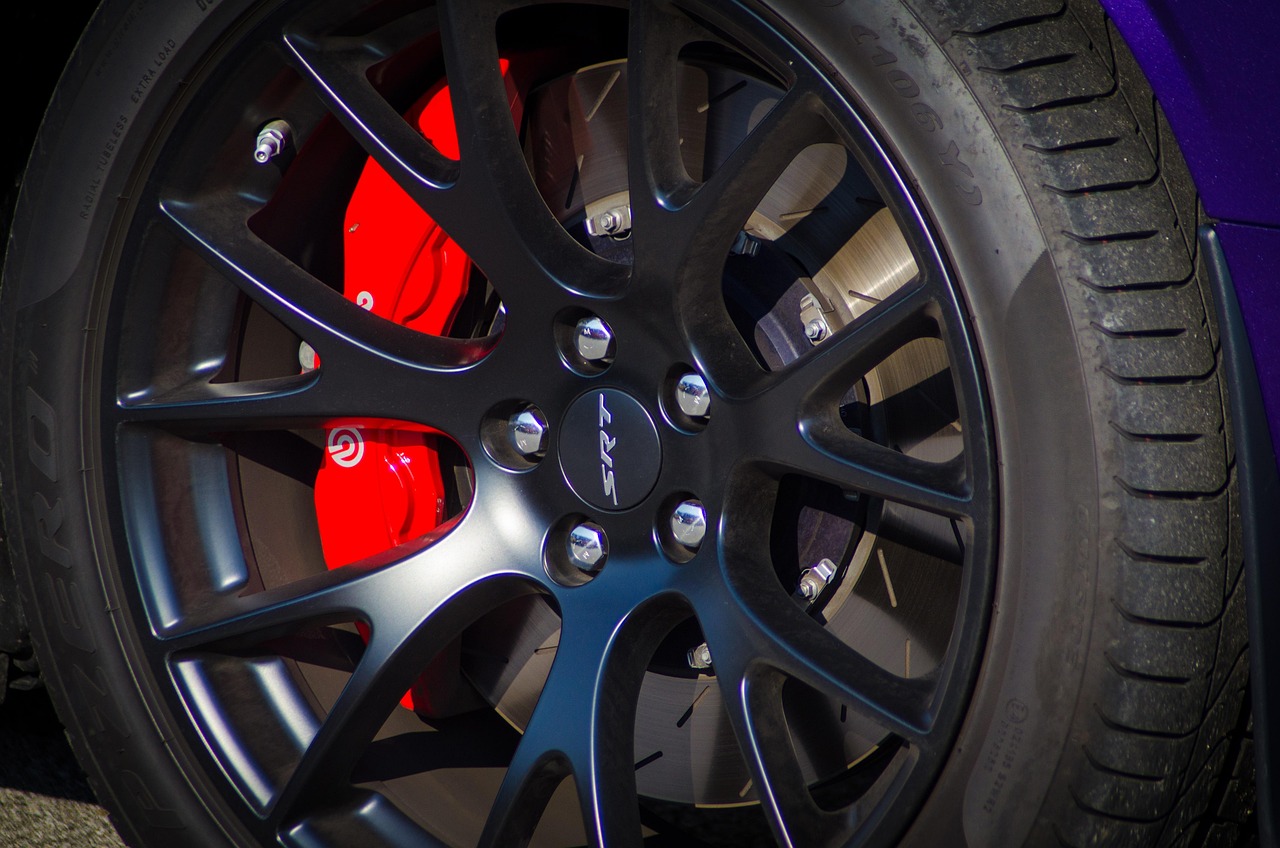
Slotted rotors can help refresh the pad surface and manage gases or debris under repeated high-load braking, but they may increase pad wear and noise. Drilled rotors can reduce weight and improve visual appeal, and some performance vehicles use engineered drilled or cast-hole designs. However, bargain drilled rotors may be more prone to cracking under severe heat cycling. On an ordinary street car, drilled or slotted designs should be chosen for a real duty-cycle reason, not only because they look more aggressive.
What standards and markings can and cannot tell you
Brake marketing often uses terms such as premium, racing, OE quality and severe duty. Those labels are not the same as independent verification. A better approach is to look for fitment accuracy, published specifications, friction material information, environmental markings where applicable and reputable manufacturing controls.
NHTSA has explained that there is no Federal Motor Vehicle Safety Standard specifically for new brake pads in the United States. Federal standards regulate complete brake systems for vehicles, while aftermarket brake pads are considered motor vehicle equipment and can be subject to defect notification and remedy requirements. This distinction matters because an aftermarket pad is not automatically federally approved simply because it is sold in the market.
Environmental requirements are another important signal. EPA, states and automotive industry groups signed the Copper-Free Brake Initiative on January 21, 2015. The agreement called for reducing copper in motor vehicle brake pads to less than 5 percent by weight in 2021 and 0.5 percent by 2025, while also addressing materials such as mercury, lead, cadmium, asbestiform fibers and hexavalent chromium salts. In practical terms, modern replacement pads increasingly compete on environmental compliance as well as noise, dust and performance. See also: driveline systems.
AMECA and related brake environmental certification programs can help identify friction materials registered for state environmental requirements. In markets that use UNECE Regulation No. 90, type approval for replacement brake linings, discs and drums is another useful sign that the component has been evaluated against defined replacement-part requirements. None of these markings replaces correct fitment or professional installation, but they are stronger evidence than packaging claims alone.
Replacement limits and installation quality matter
Even the best parts can perform poorly if installed on a compromised system. Rotors have a minimum thickness specification, often marked on the rotor or listed in service information. A rotor below minimum thickness should not be reused because it has less thermal capacity and may not maintain proper caliper piston position throughout pad life. Deep scoring, cracks, severe corrosion, excessive runout and thickness variation are also reasons to replace or correct the rotor rather than simply installing new pads.
Pad replacement should include the surrounding hardware. Caliper slide pins should move freely, abutment clips should not be packed with rust, boots should not be torn and the caliper piston should retract smoothly. Brake hoses should be inspected for cracking, swelling or internal restriction. Brake fluid condition also matters because moisture-contaminated fluid can reduce boiling resistance during hard braking.
Proper bedding is another step that is often overlooked. Bedding transfers a thin, even layer of friction material to the rotor face. Without it, drivers may experience noise, vibration, poor initial feel or uneven deposits that feel like a warped rotor. The correct bedding procedure varies by pad compound, so the installer should follow the instructions supplied with the parts rather than using a one-size-fits-all routine.
A practical selection matrix
The table below summarizes how to narrow the choice. It is not a universal ranking, but it reflects how braking components should be matched to duty cycle.
| Driving situation | Recommended direction | Why it makes sense |
|---|---|---|
| Normal commuting | Premium ceramic or low-metallic pads with coated OE-style rotors | Good balance of quiet operation, dust control, corrosion resistance and predictable pedal feel |
| Heavy SUV or pickup | Semi-metallic or severe-duty pads with quality vented rotors | Better heat handling for heavier vehicle mass and repeated stops |
| Towing or mountain roads | Application-specific towing pads, fresh fluid and rotors at full service thickness | Heat capacity and fade resistance become more important than low dust |
| Rust-belt driving | Coated rotors, complete hardware kit and careful hub cleaning | Corrosion control and runout prevention help long-term smoothness |
| Occasional spirited driving | Performance street pads with compatible plain or slotted rotors | More bite and heat tolerance without moving into track-only compromises |
| Track use | Dedicated track pads, suitable rotors, high-temperature fluid and inspection after events | Street parts are usually not designed for repeated extreme heat cycles |
The safest buying rule is simple: choose the least compromised setup that satisfies the vehicle use. A quiet ceramic kit may be excellent for a sedan but wrong for a loaded work truck. A slotted performance setup may help during repeated hard stops but add little value for a low-load commuter. The best brake and rotor package is the one that solves the actual operating problem, not the one with the most dramatic product photo.
Frequently asked questions
Are ceramic brakes always better than semi-metallic brakes?
No. Ceramic pads are often quieter and cleaner, which makes them attractive for daily driving. Semi-metallic pads may be better for heavier vehicles, towing and high-heat use because they can handle heat and provide strong bite. The better choice depends on vehicle weight, driving pattern and the rotor the pad will run against.
Should pads and rotors be replaced together?
Not always, but they should be evaluated together. If the rotor is below minimum thickness, cracked, heavily scored, badly corroded or has excessive runout or thickness variation, it should be replaced or corrected. If the rotor is still within specification and has a suitable surface, pad-only replacement may be acceptable according to service information.
Do drilled and slotted rotors stop a car faster?
Not automatically. Tire grip, pad compound, vehicle weight, ABS calibration and road surface often matter more in a single emergency stop. Drilled or slotted rotors may help in specific heat and debris conditions, but plain high-quality rotors are usually the most practical choice for normal street use.
What is the most important detail when buying brake parts online?
Fitment accuracy is the first priority. Confirm the axle, rotor diameter, rotor thickness, caliper type, sensor requirements and trim-level brake package before comparing price. A premium part for the wrong brake package is still the wrong part.
Can new brakes fix vibration immediately?
They can if the vibration was caused by worn or uneven brake parts, but vibration may also come from hub runout, wheel bearing play, suspension looseness, tire problems or uneven wheel torque. A proper diagnosis should check the full wheel-end assembly before assuming rotors alone are responsible.