Automotive Components Holdings and the restructuring of driveline supply chains
What Automotive Components Holdings was
Automotive Components Holdings was not a conventional supplier brand built for a long independent life. It was a Ford-managed transition entity created in 2005 after Ford and Visteon placed a group of North American component operations into a temporary structure. For driveline systems readers, the name matters because one of the most visible Automotive Components Holdings transactions was the 2008 sale of its driveshaft business from the ACH Monroe operation to Neapco Drivelines.
That transaction points to a wider sourcing lesson. When a vehicle manufacturer restructures component operations, cost reduction is only one part of the work. The transition also has to control tooling, employees, quality systems, engineering knowledge and supply commitments so that critical parts continue to reach assembly plants.
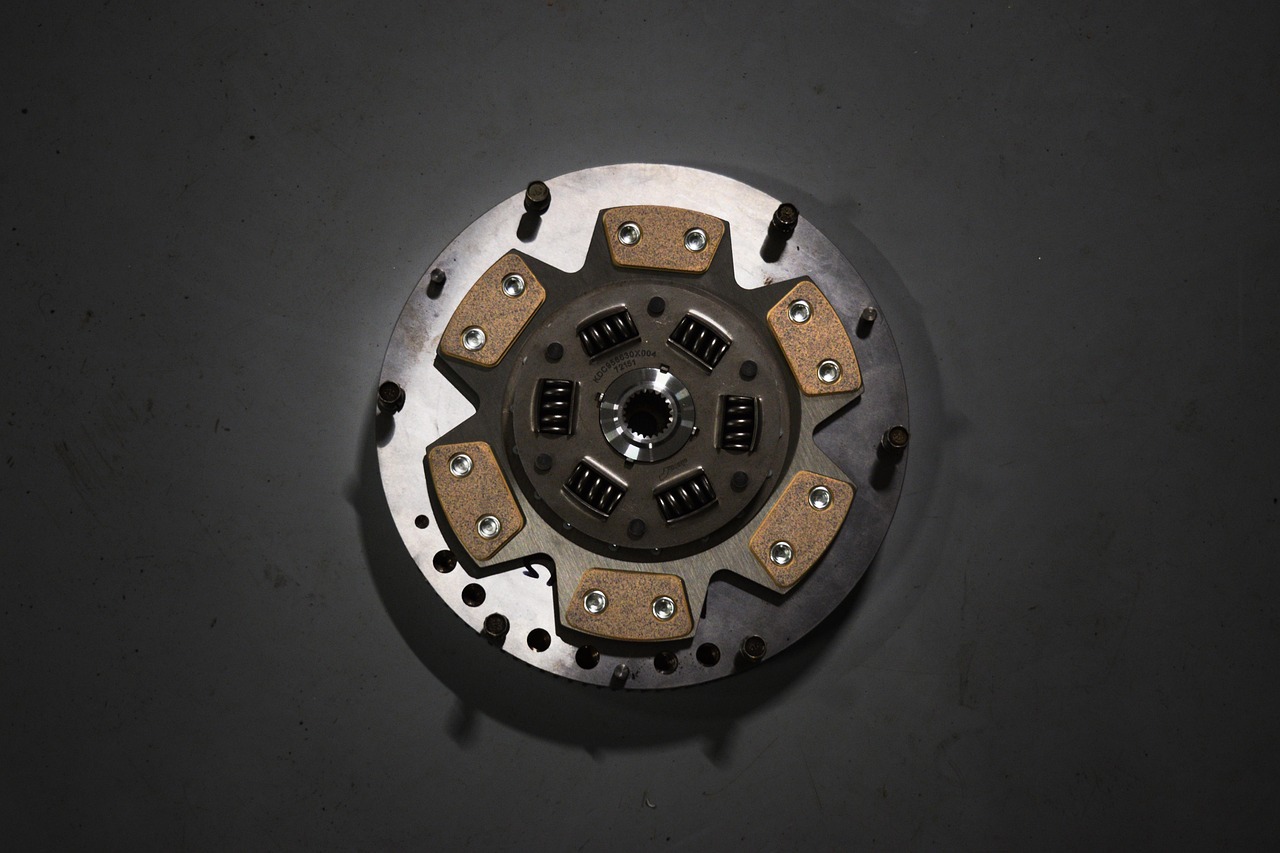
The public record around ACH is useful because it shows how a large OEM handled a high-risk supplier transition without simply cutting off production. Ford filings, Visteon filings and Ford announcements described ACH as a temporary mechanism designed to protect component supply while plants and product lines were prepared for sale, closure or transfer.
Why Ford and Visteon created ACH in 2005
To understand Automotive Components Holdings, it helps to start with Visteon. Visteon was formed from Ford automotive components and systems operations and was spun off from Ford on June 28, 2000. By 2005, the commercial relationship between Ford and Visteon was under pressure, while Ford still depended heavily on Visteon for parts used in vehicle production.
In May 2005, Ford and Visteon agreed on a framework to move 23 North American facilities and related assets into a Ford-controlled structure. In September 2005, the parties entered definitive agreements. On October 1, 2005, Ford acquired the parent of Automotive Components Holdings from Visteon in a transaction that included an approximately $311 million payment, plus the forgiveness or assumption of certain employee-related and other obligations. Ford later described ACH as consisting of 17 plants and six other facilities formerly owned by Visteon.
The central purpose was clear: keep critical components flowing while improving sourcing flexibility. Ford stated in its 2005 quarterly filing that the transaction was designed to protect the supply of critical parts and components, create opportunities for production material cost savings and improve access to competitively priced, high-quality parts, systems and technologies.
- Supply continuity: Ford needed to avoid a sudden disruption at assembly plants that depended on former Visteon parts.
- Cost restructuring: ACH gave Ford time to transition businesses to owners with different cost structures and supplier models.
- Asset disposition: Some operations were prepared for sale, some for closure and some for transfer into Ford operations.
- Labor transition: Public filings described large numbers of Ford hourly UAW employees and Visteon salaried employees working through lease or assignment arrangements.
Timeline of ACH transactions affecting component supply
The ACH story was not a single transaction. It unfolded over several years as Ford and ACH moved different product lines to strategic buyers or other dispositions. The following timeline summarizes the key public milestones most relevant to component sourcing and driveline systems.
| Date | Event | Why it mattered |
|---|---|---|
| June 28, 2000 | Ford completed the Visteon spin-off. | The later ACH restructuring was tied to Ford dependence on components from its former parts business. |
| May 24, 2005 | Ford and Visteon entered a non-binding memorandum of understanding for the transfer of 23 North American facilities and related assets. | This created the framework for separating troubled operations from Visteon while preserving supply to Ford. |
| September to October 2005 | Definitive agreements were signed, and Ford acquired the ACH parent on October 1, 2005. | ACH became the operating bridge for 17 plants and six other facilities formerly owned by Visteon. |
| January 23, 2008 | Ford, ACH and Neapco Drivelines announced definitive agreements for the sale of the ACH driveshaft business. | The transaction directly affected a driveline product line and moved production from the ACH Monroe Plant to a new Neapco facility in Van Buren Township, Michigan. |
| April 14, 2008 | ACH completed the sale of its glass business to Zeledyne. | The sale showed the wider ACH strategy of moving former internal operations to dedicated suppliers. |
| May 18, 2011 | Ford and ACH announced definitive agreements for the sale of the blow-molded fuel tank business at the ACH Milan Plant to Inergy Automotive Systems. | The plan included moving the operation and many employees over a three-year period to a new Inergy plant in southeast Michigan. |
| December 31, 2011 | Ford reported four remaining ACH-operated facilities and said it intended to transition Saline, Sandusky and Sheldon Road to the supply base as soon as practicable. | This showed that the temporary structure was nearing its final phase. |
| June 2012 | ACH completed the sale of interior trim operations at Saline to Faurecia and lighting operations at Sandusky and Bellevue to Ventra Sandusky. | Ford filings recorded pre-tax losses and purchase-related obligations, highlighting that supplier transitions can carry commercial costs beyond the sale itself. |
| October 29, 2012 | Ford and ACH announced the sale of the last remaining automotive components operation, the climate control business at Sheldon Road, to Detroit Thermal Systems. | Ford described the announcement as the culmination of the ACH strategy and the 10th sale of an ACH operation or plant. |
Why the driveshaft transaction matters for driveline systems
The 2008 driveshaft sale is the ACH event most directly relevant to the driveline systems category. A driveshaft transfers torque between major rotating assemblies, such as a transmission or transfer case and an axle or differential. In vehicle manufacturing, it is not just a tube with joints. It is a balanced, validated, safety-relevant assembly tied to packaging, noise and vibration performance, joint durability, metallurgy, welding quality and downstream assembly sequencing.
Ford announced on January 23, 2008 that Ford, ACH and Neapco Drivelines had signed definitive agreements for the sale of the ACH driveshaft business then located at the ACH Monroe Plant in Michigan. The announcement said manufacturing of the driveshaft product line would move to a new 345,000-square-foot Neapco facility in Van Buren Township, Michigan. It also stated that about 30 percent of the Monroe Plant workforce of 1,100 employees was associated with the driveshaft business, and that approximately 300 salaried and hourly employees from the Monroe operation and related technical and support teams were being offered positions at the new facility.
For a driveline program, that type of handover is significant. A buyer has to maintain dimensional control, balance specifications, materials traceability, heat treatment or joining discipline where applicable, and customer launch timing. If the transfer is mishandled, the risks can appear as vehicle vibration complaints, assembly interruptions, service part confusion or warranty exposure. The ACH-Neapco transaction is therefore a useful case study in how an OEM can move a driveline product line from a controlled transitional entity to a specialist supplier without treating the deal as a simple asset sale.
What ACH shows about make, buy and transition risk
The Automotive Components Holdings case is often discussed as a restructuring story. For purchasing and engineering teams, it is also a make-or-buy lesson. Ford did not immediately abandon the operations. Instead, it managed a temporary structure until each operation could be sold, closed or transferred. That approach suggests that the sourcing question was not only whether Ford should make or buy a part. It was also how quickly a part could be moved without putting production continuity at risk.
Three points stand out for driveline and chassis-related component sourcing.
- Supplier identity is not enough. A product line may depend on a specific plant, tooling set, workforce and process history. When ownership changes, the supply risk remains until the process is proven at the new location or under the new operating model.
- Commercial savings may require transitional support. Ford filings around later ACH sales reported pre-tax losses and contractual obligations associated with purchase and supply agreements. That does not mean a transition failed; it shows that restructuring can require financial bridges to keep supply stable.
- Labor and knowledge transfer are part of quality control. The driveshaft announcement specifically addressed employees and technical support staff. In driveline components, experienced process knowledge can be as important as equipment ownership.
This is especially relevant when a component has high repeatability requirements and direct customer-perceived effects. A driveshaft imbalance, joint issue or poor assembly interface can become audible or tactile to the driver. That makes transfer discipline more important than it may appear on a purchasing spreadsheet.
How ACH differed from normal supplier consolidation
ACH should not be confused with an ordinary supplier merger or a private-equity roll-up. It was created by an OEM to stabilize operations that had once been part of its own component base. The goal was not to build a new public-facing parts brand. The goal was to hold, improve and dispose of operations in a way that protected Ford production and positioned assets with suppliers that could operate them more competitively.
That difference matters because ACH sat between two models. On one side was vertical integration, where an automaker controls major component production directly. On the other side was the modern supplier network, where specialized companies compete to provide modules and systems under long-term sourcing agreements. ACH acted as a bridge from one model to the other.
In the driveshaft example, Neapco was not a random buyer. Ford described Neapco as a supplier of drivelines, steering shafts and components for OEM and aftermarket, truck, agricultural, off-highway and specialty vehicle applications. That product alignment gave the transaction a clear strategic logic: the driveline product line moved toward a company whose business already centered on related products.
Lessons for current driveline sourcing teams
The ACH case is historical, but the sourcing lessons remain relevant for driveline systems, chassis modules and other vehicle-critical components. Whether a company is managing conventional powertrains, hybrid architectures or electrified axle systems, the transfer of a torque-carrying component should be treated as an engineering and operations project, not only a purchasing decision.
- Map the product to the manufacturing process. Identify the plant, tooling, gauges, process documents, validation records and service part obligations behind the supplier name.
- Define the transition gate before the transaction closes. For driveline parts, that may include dimensional capability, balance validation, fatigue testing, packaging checks and assembly plant run-at-rate evidence.
- Keep service parts visible. A supplier transition can confuse aftermarket channels if part numbers, supersessions and warranty responsibility are not managed carefully.
- Separate public announcement from operational completion. ACH transactions often included phased transfers. A signed agreement does not mean every machine, employee, release record and supply commitment has moved.
- Consider the total cost of transition. Purchase price, labor terms, assumed obligations, launch risk and logistics changes may matter as much as the nominal piece price.
For readers following driveline systems and automotive component sourcing, Sifangdi will continue to focus on the engineering and supply-chain context behind parts, not only the names of the companies involved.
Frequently asked questions
Is Automotive Components Holdings the same as Visteon?
No. Visteon was the automotive supplier spun off from Ford in 2000. Automotive Components Holdings was created later, in 2005, as part of a Ford-Visteon restructuring that moved selected North American facilities and assets into a Ford-managed temporary structure.
Did Automotive Components Holdings make driveline components?
Yes. Public Ford materials identify a driveshaft business at the ACH Monroe Plant. In January 2008, Ford, ACH and Neapco Drivelines announced definitive agreements for the sale of that driveshaft business, with manufacturing to move to Neapco in Van Buren Township, Michigan.
Is Automotive Components Holdings still an active broad supplier?
Ford announced on October 29, 2012 that the climate control business sale involved the last remaining ACH automotive components operation and marked the culmination of the ACH strategy. Some public records may still reference the ACH name in legal, facility or historical contexts, so it should not automatically be treated as a current broad operating supplier without fresh verification.
Why is ACH relevant to aftermarket and driveline readers?
ACH shows how ownership changes can affect component production locations, tooling responsibility, service part continuity and supplier relationships. For driveline systems such as driveshafts, those details can influence fit, quality, availability and long-term support.