Car air filter replacement guide for when to change it and what changes
Quick answer for replacement timing
Car air filter replacement is usually needed when the engine air filter is visibly loaded with dust, damaged, poorly sealed, or beyond the interval in the owner’s manual. For many passenger vehicles, manufacturer guidance often falls around 15,000 to 30,000 miles. That interval can shorten in dusty roads, heavy traffic, wildfire smoke, construction zones, and frequent short-trip use. The practical approach is to inspect the filter during routine service rather than replace it automatically at every oil change.
On modern fuel-injected vehicles, a new engine air filter is mainly an airflow and engine-protection maintenance item. Public fuel-economy guidance from the U.S. Department of Energy and fueleconomy.gov says replacing a clogged air filter on modern computer-controlled gasoline or diesel vehicles can improve acceleration, but it should not be presented as a guaranteed fuel-economy repair. For related service context, see our workshop diagnostics section.
What the engine air filter actually does
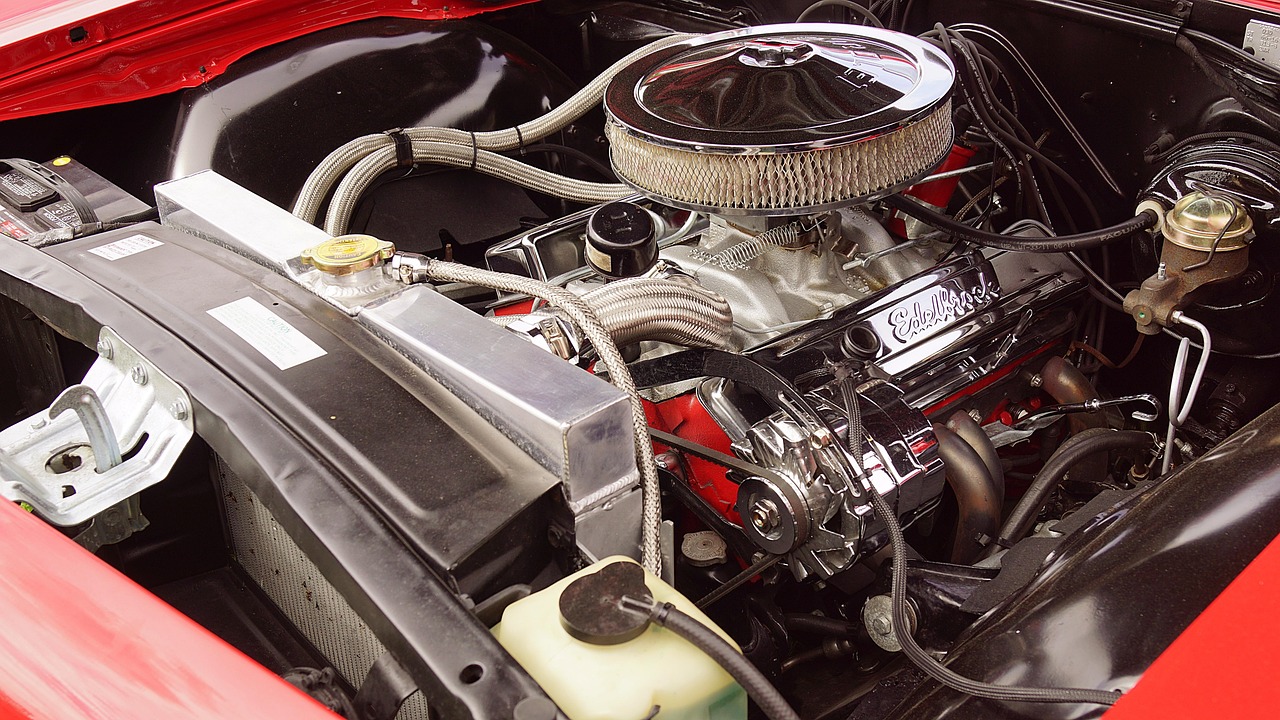
The engine air filter sits in the intake tract before the throttle body, turbocharger inlet, or mass airflow sensor, depending on the vehicle design. Its role is straightforward: it lets the engine draw in enough air for combustion while trapping abrasive dust, sand, leaves, fibers, and other debris that should not enter the cylinders.
Air filtration is always a balance. A filter must support the engine’s airflow demand while maintaining filtration efficiency and dust-holding capacity. For that reason, a replacement filter should not be judged only by how much light passes through it or how “open” it looks. Proper fit, sealing quality, pleat structure, media strength, and compatibility with the airbox are just as important as surface appearance.
Industry test methods underline that point. ISO 5011:2025 specifies laboratory procedures for comparing inlet air cleaners used on internal combustion engines and compressors. In maintenance terms, that means a serious air filter is expected to be evaluated for restriction, dust capacity, and filtration performance under controlled conditions. Most drivers will not see those lab reports at the parts counter, but the standard explains why a no-name filter that fits loosely or collapses under load is a risk even if it looks clean when installed.
When should you replace a car air filter?
The best interval is the one specified by the vehicle manufacturer, adjusted for real operating conditions. AAA consumer maintenance guidance commonly advises inspecting the engine air filter during oil changes, while manufacturer replacement intervals vary by model and service environment. In clean suburban driving, a filter may last longer than expected. In dusty service, it may need attention much sooner.
| Driving condition | Inspection priority | Replacement logic |
|---|---|---|
| Normal city or suburban driving | Inspect at routine service | Follow the owner’s manual unless the filter is visibly loaded or damaged |
| Unpaved roads, farms, construction areas | Inspect more often | Replace sooner if dust loading is heavy or the seal is contaminated |
| Wildfire smoke, heavy pollen, sand, or desert use | Inspect after exposure periods | Shorten the interval because airborne material can load the media quickly |
| Performance complaint under heavy throttle | Inspect immediately | Replace if the filter is restricted, wet, deformed, or incorrectly installed |
| Recently purchased used vehicle | Inspect during baseline service | Replace if service history is unknown and the filter condition is questionable |
A useful visual inspection goes beyond a quick look at the top surface. Open the airbox carefully, lift the filter without shaking debris into the intake duct, and examine the pleats, sealing edge, and underside. A light dusting is normal. Packed pleats, torn media, rodent debris, oil contamination, water damage, or a hardened gasket are valid reasons to replace the filter.
There is one important caution: some filters look dirty before they are truly restricted. Replacing a filter too early is usually not harmful if it is installed correctly, but it wastes money and increases the chance of introducing dirt during service. Fleet and heavy-duty maintenance programs often rely on restriction indicators rather than appearance alone. Passenger cars rarely have those indicators, so owner-manual intervals and careful inspection remain the practical method.
Signs a dirty or damaged filter may be affecting the vehicle
A clogged or damaged engine air filter does not always trigger a warning light. Modern engine controls can compensate for many airflow changes during normal driving, especially at light throttle. A severely restricted filter can still show up as a drivability issue when the engine needs more air.
- Reduced acceleration, especially during highway merging or uphill driving
- Unusual intake noise if the filter or airbox is not seated correctly
- Visible dirt, leaves, insects, or debris packed deep into the pleats
- Filter media that is wet, torn, collapsed, oil-soaked, or distorted
- Dust tracks past the sealing edge, suggesting unfiltered air may be bypassing the filter
- A check-engine light related to airflow measurement, if debris or poor sealing affects sensors
It is also important to separate likely symptoms from overclaimed benefits. A clogged filter can reduce maximum power output because the engine cannot breathe freely at high demand. The Oak Ridge National Laboratory research cited in federal fuel-economy materials found that clogged filters could reduce acceleration performance, and some test conditions showed acceleration improvement after replacement. That does not mean every slightly dirty filter will make a noticeable difference in daily driving.
If the complaint is poor fuel economy on a modern vehicle, the air filter can be part of the inspection, but it should not be the only suspect. Tire pressure, dragging brakes, oxygen sensor faults, thermostat problems, short-trip operation, roof racks, aggressive driving, and fuel quality can all influence real-world consumption. Replacing the filter is good maintenance when the filter is due, but diagnostics should follow the symptoms.
Engine air filter versus cabin air filter
Drivers often confuse the engine air filter with the cabin air filter because both are replaced during maintenance and both collect dust. They serve different systems. The engine air filter protects the engine’s intake system. The cabin air filter cleans air entering the passenger compartment through the heating, ventilation, and air conditioning system.
A dirty cabin filter may cause weak HVAC airflow, musty odors, window-fogging complaints, or allergy discomfort. It will not directly protect the engine. A dirty engine air filter may affect engine breathing and contamination protection. It will not directly clean the air inside the cabin. When a service advisor recommends “air filter replacement,” it is reasonable to ask which filter they mean and to request a visual inspection.
Access also differs. Many engine air filters sit in a plastic airbox under the hood with clips or screws. Cabin filters may be behind the glove box, under the cowl, or behind interior trim. Some cabin filters are easy DIY parts; others require awkward access. Mixing them up can lead to unnecessary purchases or missed maintenance.
How to replace an engine air filter correctly
Engine air filter replacement is one of the more approachable maintenance tasks on many vehicles, but the simplicity can be misleading. Most installation problems come from rushing: leaving debris in the airbox, pinching the seal, installing the filter upside down, or failing to secure clips evenly.
- Park safely, turn the engine off, and let hot components cool before working near the intake area.
- Locate the airbox. It is usually connected to the intake duct and may be near the front or side of the engine bay.
- Release the clips or screws carefully. If the cover resists, check for a hidden fastener rather than forcing the plastic.
- Note the old filter’s orientation before removing it. Some filters have asymmetric shapes or airflow markings.
- Lift the filter out slowly so loose debris does not fall into the clean side of the intake tract.
- Wipe the dirty side of the airbox with a clean, dry cloth. Do not push dirt toward the intake opening.
- Compare the new filter with the old one for size, gasket shape, pleat depth, and corner profile.
- Seat the new filter evenly in the housing. The gasket should sit flat all the way around.
- Reinstall the cover and secure all clips or screws. A partially closed airbox can allow unfiltered air to bypass the media.
- Start the vehicle and listen for abnormal intake noise. If a warning light appears after service, recheck nearby connectors and duct clamps.
On vehicles with a mass airflow sensor near the airbox, avoid striking the sensor housing or spraying cleaners unless the service information specifically calls for it. Oiled aftermarket filters also require caution because excess oil can contaminate sensors if the product is over-serviced. For everyday maintenance, an OE-style dry filter that fits correctly is usually the lowest-risk choice. See also: braking and chassis.
Choosing a replacement filter without overbuying
The right filter is not automatically the most expensive one. The priorities are correct application, stable media, good sealing, and reliable manufacturing consistency. Before buying, match the part number to the vehicle year, make, model, engine, and sometimes production date. The same model name can have different engine options with different airboxes.
Drivers often compare standard paper filters, synthetic media filters, and washable performance filters. Paper and synthetic OE-style filters are usually designed for straightforward replacement at a service interval. Washable filters may appeal to drivers who want reuse, but they require correct cleaning, drying, and oiling procedures where applicable. If serviced incorrectly, they can create more problems than they solve.
Be cautious with performance claims that are not tied to a specific vehicle, test method, and operating condition. A filter that flows more air in a lab does not automatically improve a stock engine if the original intake system was not the limiting factor. For most commuter vehicles, maintaining a clean, sealed, correctly specified filter is more valuable than chasing generic horsepower claims.
Common mistakes that reduce the value of replacement
A new filter only helps if it is selected and installed correctly. The most common errors are easy to avoid.
- Replacing by mileage alone without checking severe-service conditions or actual filter condition
- Buying a filter that “almost fits” instead of matching the exact application
- Leaving leaves, sand, or rodent nesting material inside the airbox
- Allowing debris to fall into the clean side of the intake duct
- Pinching the gasket or closing the airbox with the filter misaligned
- Forgetting to reconnect an intake duct, sensor plug, or retaining clip
- Expecting a new filter to solve unrelated fuel-economy or drivability faults
The most serious mistake is poor sealing. Even a high-quality filter cannot protect the engine if air can travel around it. Dust tracks on the clean side of the airbox, unusual residue near the intake tube, or a filter edge that looks crushed can indicate bypass. In that situation, replacing the filter is only part of the repair; the housing, clips, and ducts should also be inspected.
Frequently asked questions
Can I clean an engine air filter instead of replacing it?
Disposable paper or OE-style filters should generally be replaced, not washed. Lightly tapping out loose debris may be acceptable during inspection, but compressed air can tear media or open gaps that are not visible. Washable filters should only be cleaned according to the filter maker’s procedure.
Will a new air filter improve gas mileage?
On modern computer-controlled, fuel-injected vehicles, federal fuel-economy guidance says replacing a clogged air filter can improve acceleration but is not expected to improve fuel economy in the same way old carbureted vehicles could. If fuel economy has dropped, inspect the filter, but also check tires, brakes, sensors, driving pattern, and fault codes.
How dirty is too dirty?
A filter is too dirty when pleats are packed with debris, the media is restricted, the gasket no longer seals, or the filter is wet, torn, oil-soaked, or deformed. A gray surface alone is not always enough evidence. Check pleat depth, underside condition, and airbox cleanliness.
Is car air filter replacement a good DIY job?
For many vehicles, yes. The job is often simple and requires few tools. The key is to use the correct filter, keep dirt out of the intake, and make sure the airbox closes evenly. If access is difficult or the airbox is damaged, professional service is safer.
Should I replace the engine air filter before a long trip?
Inspect it before a long trip, especially if the vehicle has recently driven through dust, smoke, sand, or construction areas. Replace it if the condition is questionable or service history is unknown. If the filter is clean, properly seated, and within the recommended interval, replacement may not be necessary.
The practical takeaway
Car air filter replacement is low-cost preventive maintenance when it is based on condition, correct interval, and proper fit. The filter protects the engine from abrasive contamination and helps maintain airflow when demand rises. For modern vehicles, the main realistic benefits are protection, correct airflow, and restored acceleration when the old filter is truly clogged, not a guaranteed improvement in fuel economy.
The best practice is simple: check the owner’s manual, inspect the filter during routine service, shorten the interval for dusty conditions, and install a quality replacement carefully. A clean filter in a poorly sealed airbox is not good maintenance. A correctly fitted filter, replaced when needed, is.