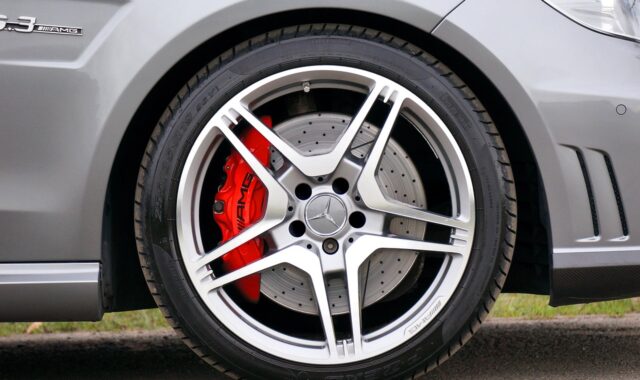
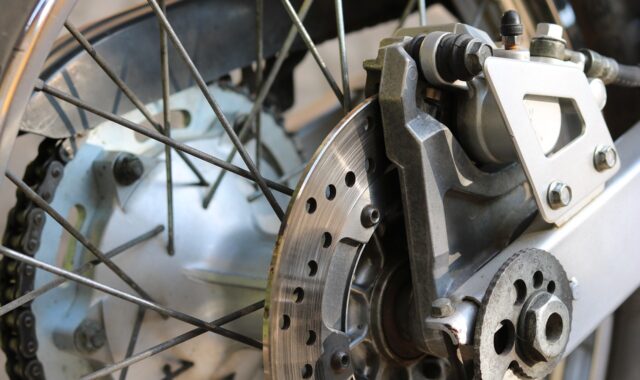
Brake Component Choices for Heat, Load, and Driving Conditions
A sound automotive components decision about brake component choices for heat, load, and driving conditions begins with the job it must perform, not with a catalog ranking. The team should describe the duty cycle, the surrounding equipment, the people who will operate it, and the evidence that will count as a successful result. That definition prevents an attractive specification from being accepted without a workable installation or service plan.
Assess the Whole Wheel End
The technical scope here includes friction, load, suspension geometry, steering response, wheel-end fitment, and road conditions. Treat these as linked variables rather than separate checklist items. Before requesting quotations or approving a design, document the application, workload, space, interfaces, expected volume, environmental exposure, and consequence of failure. A supplier can only offer a meaningful match when those conditions are explicit.
For this kind of braking and chassis work, begin with identify the axle position, compare the complete system, inspect mating surfaces, and perform a controlled road test after installation. Break the decision into requirement, evidence, trial, and handover stages. If one assumption changes, record the change and repeat the affected check; otherwise a team may compare two options using different conditions and draw a false conclusion.
Install with Geometry in Mind
The measurements worth keeping on the baseline are friction consistency, runout, ride height, bushing deflection, steering play, noise, and stopping stability. Capture them before a change, under a representative load, and again after the system has reached its normal operating state. Short demonstrations can hide drift, heat build-up, access problems, or recovery delays that appear during a full shift or a repeated service cycle.
The surrounding system deserves the same attention as the named item. Confirm mating dimensions, connection or datum requirements, clearances, controls, consumables, inspection access, and the sequence for commissioning. An acceptance sheet for braking and chassis should assign an owner, state a limit, and explain what happens when the result falls outside it.
The main avoidable risks are replacing one related part while ignoring wear around it, using the wrong friction grade, and skipping bedding or alignment checks. They are often missed because the first symptom appears downstream from the cause. Preserve the original condition, change one variable at a time, and use a known-good reference where possible. That method makes it less likely that an unnecessary replacement, redesign, or process adjustment will conceal the fault.
Prove the Repair on the Road
The working evidence pack should include axle position, measurements before removal, torque records, alignment readings, bedding notes, and customer symptoms. Keep the current revision with the asset or project record and mark superseded instructions clearly. In automotive components, this information helps a new shift reproduce a successful setup, lets a buyer order the correct revision, and gives engineering a defensible basis for a design or maintenance change.
People closest to the task can reveal constraints that a formal specification misses. Ask the operator where the work slows down, ask the technician what is hard to reach or isolate, and ask quality staff which result drifts first. Their observations should be converted into a measurable acceptance point rather than left as informal advice.
Before approval, compare capability with availability, support, training, spare parts, consumables, and lifecycle cost. Auterra treats a useful decision as one that can be operated consistently and explained after handover. State what was tested, what remains conditional, and the date or trigger for the next review.
A practical closeout for brake component choices for heat, load, and driving conditions is simple: define the use case, collect the relevant baseline, run a representative trial, record the acceptance result, and assign the next owner. That sequence gives automotive components teams a repeatable way to control braking and chassis work while protecting quality, uptime, and the people responsible for the outcome.