Engine and chassis number of car explained for parts fitment
Why these numbers matter before buying replacement parts
Engine and chassis numbers are practical identifiers for checking what a vehicle was built with, what may have changed, and which replacement parts are likely to fit. The chassis number usually identifies the vehicle body or frame and is often linked to the modern VIN. The engine number identifies the engine assembly itself. For parts fitment, the chassis number or VIN is usually the first lookup point, but the engine number becomes important when ordering engine-specific parts such as gaskets, pistons, injectors, sensors, timing components, mounts, and control-related hardware.
This distinction matters because vehicles with the same model name can use different engines, transmissions, suspension layouts, emissions equipment, brakes, steering systems, or production revisions. A catalog listing that says “fits 2018 sedan” may still be wrong if the production date, engine family, drivetrain, or market specification is different. For more parts identification guides, see the fitment and replacement section.
Engine number, chassis number and VIN are related but not the same
Many drivers use “chassis number” and “VIN” as if they mean the same thing. In modern vehicle paperwork, that is often understandable because the VIN has become the main standardized vehicle identity number in many markets. In technical, registration, import, restoration, and parts situations, however, the terms can still refer to different markings.
| Identifier | What it identifies | Typical use in parts fitment |
|---|---|---|
| VIN | The complete vehicle identity, usually a 17-character code on modern vehicles in many markets | Primary lookup for body, model year, production information, restraint systems, trim, drivetrain, and catalog filtering |
| Chassis number | The vehicle frame, body shell, or structural identity; often the same as the VIN on modern cars | Useful for confirming the exact vehicle shell, market version, production range, and body-related parts |
| Engine number | The serial or identification number assigned to the engine assembly | Useful for engine internals, cylinder head parts, fuel system parts, sensors, timing parts, and engine-swap verification |
Under widely used vehicle identification systems such as ISO 3779 and U.S. VIN rules administered by the National Highway Traffic Safety Administration, the modern VIN is structured rather than random. It can include manufacturer identity, vehicle attributes, check information in some markets, model year coding, plant information, and a serial sequence. Even so, the VIN does not display every service detail needed for parts selection. Manufacturers often hold more detailed build data in their own electronic parts catalogs and service systems.
The engine number is different because it follows the engine unit, not necessarily the vehicle for its entire service life. If an engine has been replaced, rebuilt with another block, or swapped for a used unit, the number stamped on the engine may no longer match the original vehicle build record. For that reason, parts professionals often ask for both the VIN or chassis number and the engine code or engine number when an order involves engine-specific components.
Where to find the chassis number or VIN
The easiest place to start is usually the VIN plate visible through the lower windshield on the driver’s side, especially on vehicles built for the U.S. market. The same VIN may also appear on a certification label in the driver door jamb, on registration documents, title papers, insurance documents, inspection records, and service invoices. These locations are convenient, but when fitment accuracy matters, the paperwork should be checked against the physical vehicle.
A chassis stamp may also be found on a structural part of the body or frame. Depending on the vehicle, it may be in the engine bay, on the firewall, on a front strut tower, under a front seat, under carpet, on a frame rail, or near the spare wheel area. The exact location varies widely by manufacturer, market, model generation, and vehicle age.
When recording the chassis number, copy it from more than one source if possible. A door label can be replaced after collision repair, paperwork can contain typing errors, and corrosion or paint may obscure a stamped number. For an older vehicle, imported vehicle, classic car, commercial vehicle, or salvage-repaired vehicle, the stamped chassis number is often more useful than a paper record because it is physically tied to the vehicle structure.
- Check the windshield VIN plate and driver door label first.
- Compare the number with registration or title documents.
- Look for a stamped chassis number on the body or frame when available.
- Photograph the number clearly before ordering expensive or non-returnable parts.
- Do not grind, restamp, repaint, or alter identification markings.
Where to find the engine number
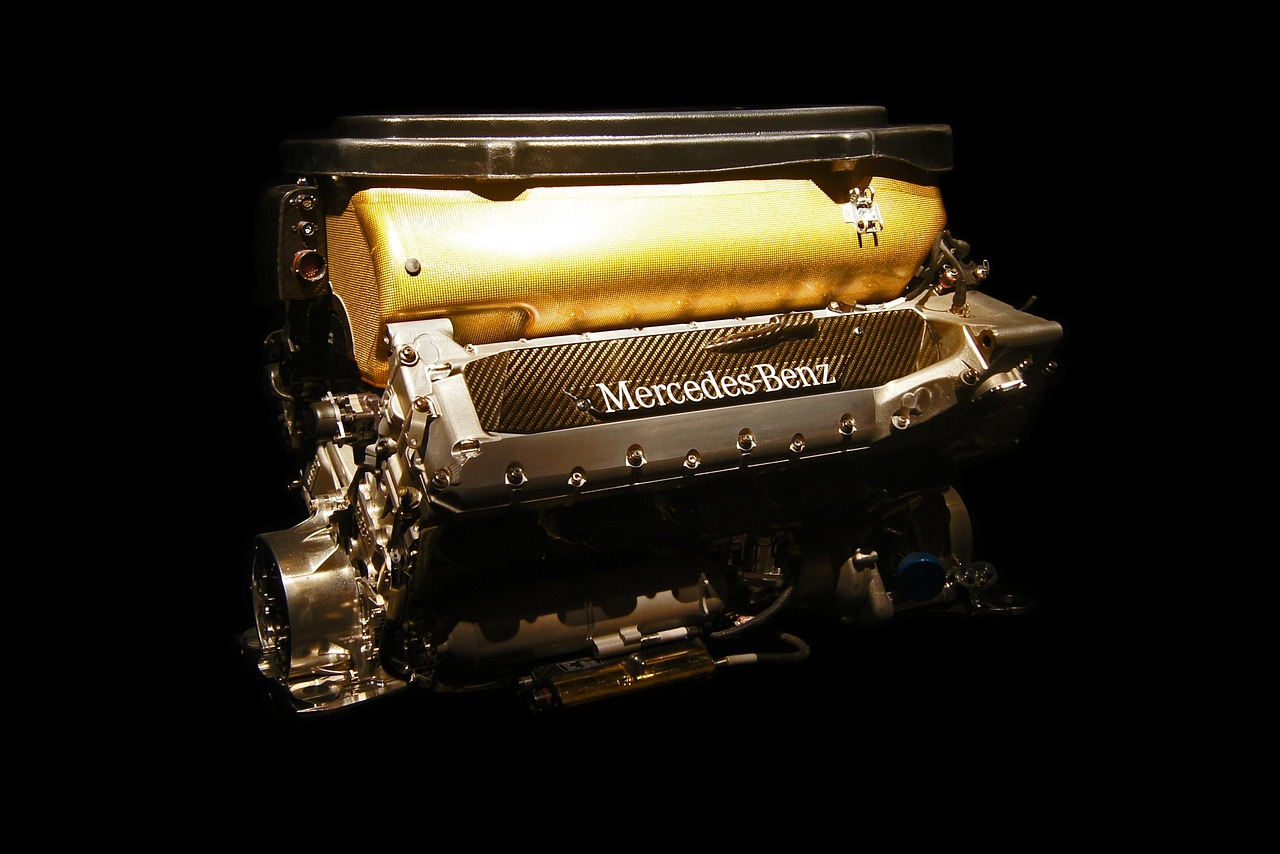
The engine number is usually stamped, engraved, or printed on the engine block, or shown on a manufacturer plate attached to the engine. It may appear near the cylinder block deck, transmission bellhousing area, timing cover side, oil filter housing area, exhaust side of the block, or another machined pad. Some engines also carry an engine code on a label, cover, service sticker, or emissions label, but a code and a serial number are not always the same thing.
This is a common source of wrong orders. A casting number on the block may identify the casting design, not the individual engine. A label on a plastic engine cover may identify an engine family, but the cover itself may have been replaced. A barcode label may fade, tear, or be covered in oil. A parts listing may ask for the engine code, while a registration authority may ask for the full engine number. Reading the request carefully helps avoid ordering against the wrong identifier.
Before trying to read the engine number, let the engine cool and use a light. Clean the area gently with a cloth rather than abrasive tools. If the number is difficult to see, take several photos from different angles. Some numbers are partly hidden by hoses, brackets, intake parts, heat shields, or wiring. On tightly packaged vehicles, access may require a mirror, borescope, or help from a repair professional.
- Do not confuse an engine family code with an individual engine serial number.
- Do not rely only on decorative covers, because covers can be replaced.
- Check whether the parts catalog asks for engine code, engine number, or VIN.
- If the engine has been swapped, use the number on the actual engine, not only the vehicle paperwork.
How these numbers improve fitment accuracy
Parts fitment is not just a make, model, and year exercise. Automakers can change suppliers, hardware, calibration, or component design during a production run. A vehicle built in January may not use the same part as one built in November of the same model year. Market differences also matter: a car sold in North America, Europe, the Middle East, or Asia may share a model name but use different lighting, emissions parts, suspension tuning, brake hardware, or engine equipment.
The chassis number or VIN helps narrow the vehicle configuration. It can identify the manufacturer, model line, body style, restraint system, drivetrain family, model year code in markets that use one, production plant, and serial sequence. In an original manufacturer parts catalog, entering the VIN may filter the catalog to the vehicle’s build specification. This is especially useful for body panels, lamps, glass, airbags, seat belts, electronic modules, cooling parts, and chassis components.
The engine number becomes more important when the part depends on the exact engine assembly. Examples include head gaskets, crankshaft bearings, piston rings, oil pumps, injectors, turbochargers, timing chains, camshaft actuators, EGR components, knock sensors, oxygen sensors, engine mounts, and certain wiring connectors. Two engines with the same displacement can still have different blocks, cylinder heads, fuel systems, emissions equipment, or sensor layouts.
For high-risk orders, the better practice is to combine several checks rather than rely on one identifier. Use the VIN or chassis number, the engine code or engine number, the production date, the existing part number, visual comparison, and catalog notes. If a listing shows a split such as “up to chassis number” or “from engine number,” the number is not optional; it marks the boundary between two designs.
Common situations where confusion causes wrong parts
Engine replacement or used engine swap
If the original engine has been replaced, the VIN may still describe the vehicle as built, not the engine currently installed. For maintenance parts, the installed engine matters. A replacement engine from a different year or market can change sensors, manifolds, injectors, pulleys, brackets, or emissions connections. In this situation, record the engine number and compare visible hardware before ordering. See also: braking and chassis.
Mid-year production changes
Manufacturers can introduce running changes without changing the model name. A parts catalog may divide fitment by production date, chassis number range, or engine number range. This is common for brakes, suspension arms, steering racks, cooling hoses, belts, tensioners, and electrical connectors. A model-year search alone may not catch the split.
Imported or market-specific vehicles
A vehicle imported from another region may not match the parts catalog used in the buyer’s country. The VIN or chassis number can show market origin, but the local aftermarket listing may still be incomplete. Engine number and physical comparison help reduce risk, especially for emissions, lighting, fuel, and cooling components.
Older vehicles and classic cars
Older vehicles may use shorter chassis numbers rather than today’s 17-character VIN format. Documentation may also be inconsistent after decades of repairs, restorations, repainting, or engine replacement. For classic vehicles, physical identification marks, casting numbers, engine numbers, and build records may all need to be compared.
Counterfeit, stolen, or altered identification marks
Vehicle identification tampering is treated seriously in many jurisdictions. From a parts perspective, altered numbers create fitment and documentation risk. If an identification plate looks damaged, mismatched, or recently disturbed, the issue should be handled through proper inspection and legal channels rather than by attempting to alter or correct the marking yourself.
A practical checklist before ordering parts
When a replacement part is expensive, difficult to return, safety-related, or labor-intensive to install, take a few extra minutes to confirm the vehicle identity. The following checklist is useful for workshops, parts counters, online buyers, and owners handling their own repairs.
- Write down the VIN or chassis number exactly as shown on the vehicle.
- Record the engine code and engine number if the part is engine-related.
- Note the production date from the door label or manufacturer data when available.
- Copy the part number from the old part if it is readable.
- Compare shape, connector count, mounting points, hose routing, and sensor locations.
- Check catalog notes for “from chassis number,” “up to engine number,” “with option,” or “without option.”
- Confirm left-hand drive or right-hand drive where steering, pedals, wipers, or dashboard parts are involved.
- Keep photos of the identification numbers and old part until the repair is complete.
For safety-critical systems such as brakes, steering, airbags, seat belts, suspension, and electronic control modules, identification should be treated as a fitment control step, not a formality. A part that almost fits can still be unsafe if its specification, calibration, mounting geometry, or connector design is wrong.
Frequently asked questions
Is the chassis number the same as the VIN?
On many modern vehicles, the chassis number is effectively the VIN used for registration and parts lookup. However, the term “chassis number” can also refer to a stamped frame or body number, especially on older vehicles, imports, and certain commercial vehicles. For fitment, use the full VIN or the manufacturer-recognized chassis number shown in the relevant catalog.
Is the engine number included in the VIN?
Usually, no. A VIN may indicate engine type or vehicle configuration in some positions, depending on the manufacturer and market, but it normally does not contain the individual engine serial number. The engine number is physically assigned to the engine assembly and must be read from the engine or official records.
Which number should I use when buying engine parts?
Use both when possible. Start with the VIN or chassis number to identify the vehicle, then confirm the engine code or engine number for parts that depend on the exact engine. This is especially important if the vehicle has a replacement engine, a market-specific engine, or a production split in the catalog.
Why does a parts seller ask for a chassis number range?
A chassis number range usually indicates a design change during production. The same model and year may have two versions of a component, and the chassis number tells the seller which production group the vehicle belongs to. Ignoring the range can lead to wrong mounting points, connector shapes, lengths, or specifications.
What if my engine number is unreadable?
Do not alter the stamping. Try to clean the area gently, improve lighting, and photograph it from different angles. If it remains unreadable, use the VIN, engine code, existing part number, production date, and visual comparison. For registration or legal questions, consult the proper inspection or vehicle authority in your location.
Key takeaway for fitment and replacement
The chassis number or VIN identifies the vehicle, while the engine number identifies the engine installed in it. For many body, trim, suspension, and electrical parts, the VIN or chassis number is the most useful starting point. For engine-specific parts, the engine number or engine code can prevent costly mistakes, especially after engine replacement or when production changes exist. The safest approach is to verify the vehicle identity, engine identity, production details, and the old part itself before placing the order.