Engine coil function, failure signs and selection considerations

What an engine coil does in a gasoline engine
An engine coil is the ignition coil used in a spark-ignition engine. Its role is easy to describe but demanding in service: it converts the vehicle’s low-voltage electrical supply into the high-voltage pulse needed to jump the spark plug gap and ignite the compressed air-fuel mixture. In modern gasoline engines, the coil is no longer limited to a remote canister connected to a distributor. It may be a coil pack, a pencil coil, a coil-on-plug unit, or a coil-near-plug design controlled directly by the engine control unit.
For buyers, technicians, and parts researchers, the key point is that an engine coil is not an isolated electrical item. It works with the spark plug, wiring, engine control module, charging system, combustion chamber conditions, and the under-hood thermal environment. A coil-related complaint may feel like a simple misfire, but the root cause can involve plug wear, oil contamination, heat damage, poor connector contact, or a control-side issue. For more related coverage, see the engine and thermal systems section.
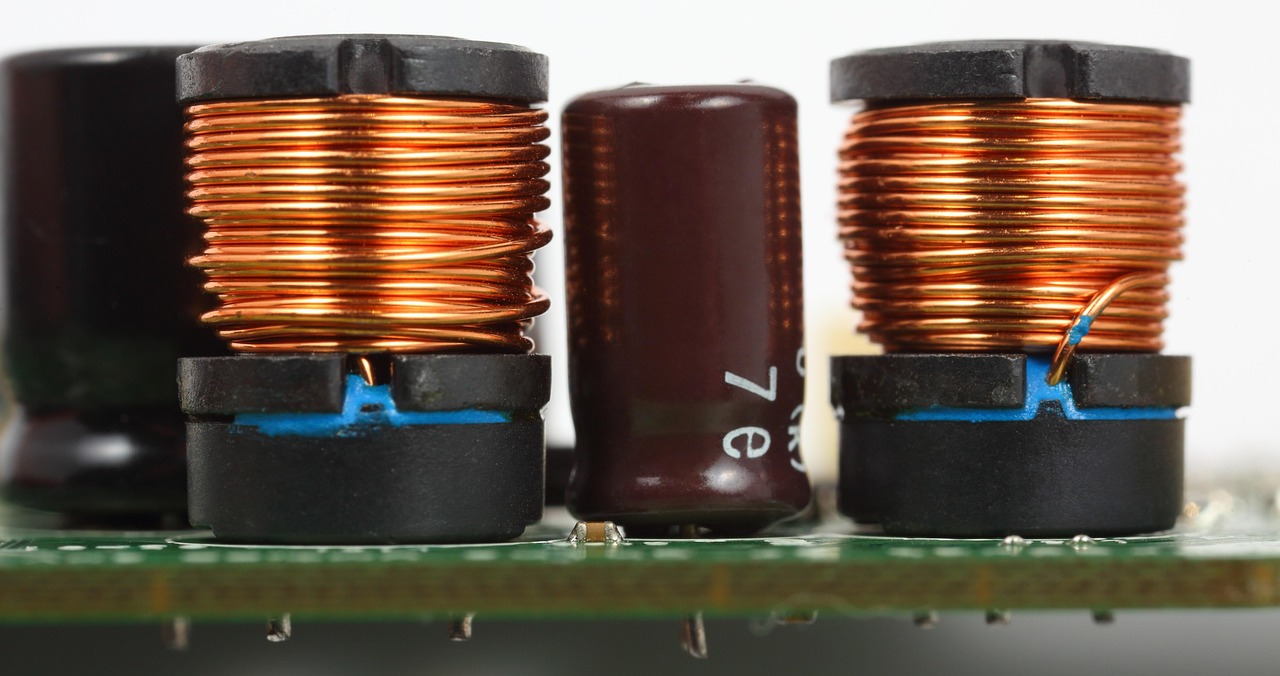
Technical materials from major ignition suppliers such as DENSO, Bosch, NGK, Delphi, and Hitachi Astemo describe the same core principle: the ignition coil stores electrical energy in a magnetic field and releases it as a high-voltage pulse when the primary current is switched off. Supplier literature commonly describes output in the tens of thousands of volts, with the exact requirement depending on plug gap, cylinder pressure, mixture quality, coil design, and engine calibration.
How ignition coil design has changed
Ignition coil architecture has changed as engine control has become more precise. Older systems often used one coil, a distributor, a rotor, and high-voltage leads to route spark to each cylinder. That layout was serviceable and relatively inexpensive, but it depended on more mechanical and high-voltage distribution parts. Distributor wear, cable resistance, moisture intrusion, and timing drift could all affect ignition quality.
Distributorless ignition reduced those mechanical dependencies. Many engines moved to coil packs, where one coil assembly served multiple cylinders. Some used a wasted-spark arrangement, firing paired cylinders together even though only one cylinder needed ignition on its compression stroke. This removed the distributor but still kept high-voltage leads in many applications.
Coil-on-plug, often shortened to COP, placed an individual coil directly over each spark plug. Pencil coils and plug-top coils reduced or eliminated long high-voltage wires, shortened the path to the spark plug, and allowed the control unit to manage each cylinder more independently. That is why COP systems are common in late-model gasoline engines. They support tighter packaging, more accurate ignition timing, and cylinder-specific diagnostics, although they also place the coil in a hotter and more confined location.
| Ignition architecture | Typical layout | Main service consideration |
|---|---|---|
| Distributor ignition | One coil sends high voltage through a distributor and plug wires | Distributor cap, rotor, wires, and timing-related wear matter |
| Coil pack | One assembly serves several cylinders | Faults may affect one or more paired cylinders |
| Coil-on-plug | One coil sits directly on each spark plug | Heat, boot condition, plug condition, and connector fit are critical |
| Coil-near-plug | Individual coils sit near plugs with short leads | Packaging and wire condition both affect reliability |
Why coil-on-plug systems matter for modern engines
Coil-on-plug systems are not used only because they are newer. They address practical requirements created by higher combustion pressure, tighter emissions rules, compact engine bays, and the need for more accurate misfire detection. A direct coil-to-plug path reduces the number of high-voltage transfer points. Fewer transfer points can mean fewer opportunities for leakage, arcing, moisture tracking, and resistance changes in aging plug wires.
Modern engine management also depends on repeatability. The engine control unit calculates ignition timing from load, speed, temperature, knock feedback, fuel control, and other inputs. When each cylinder has its own coil, the system can control dwell time and spark timing more precisely by cylinder. Not every engine uses the same strategy, but this explains why direct ignition became common as gasoline engines became more electronically controlled.
Emissions rules also make misfire control important. U.S. Environmental Protection Agency materials on onboard diagnostics describe misfire monitoring as part of the OBD framework because persistent misfire can increase emissions and, in severe cases, create conditions that may damage the catalytic converter. In practical repair terms, an engine coil problem often appears first as a flashing or steady malfunction indicator lamp, a cylinder-specific misfire code, rough running, or reduced power. The diagnostic code points to a misfire event; it does not automatically confirm a failed coil.
The market context is changing as electrification grows, but ignition coils remain relevant. The International Energy Agency’s 2026 electric vehicle outlook reported that global electric car sales exceeded 20 million in 2025, while internal-combustion models did not disappear from the vehicle fleet. Pure battery-electric vehicles do not use ignition coils, but gasoline vehicles, many hybrids, and range-extender combustion engines still depend on reliable spark ignition. Coil knowledge therefore remains important for aftermarket parts, repair planning, and mixed-powertrain fleets.
Common engine coil failure signs
A weak or failing engine coil usually appears as a combustion problem, not as an obvious electrical part failure. The symptoms can overlap with fuel injector faults, vacuum leaks, compression problems, poor plugs, or sensor issues. Diagnosis should therefore avoid replacing coils only because a misfire code is present.
- Rough idle: A cylinder that does not ignite consistently can make the engine shake at idle, especially when the misfire is frequent.
- Hesitation under load: Higher cylinder pressure requires a stronger spark. A marginal coil may seem acceptable at idle but fail during acceleration or climbing.
- Hard starting: Weak spark energy can make cold starts or hot restarts more difficult, depending on the failure mode.
- Reduced fuel economy: Incomplete combustion can waste fuel and cause the control system to adjust fuel trims.
- Check engine light: OBD systems may store cylinder-specific or random misfire codes when combustion events are not consistent.
- Fuel smell or exhaust irregularity: Unburned fuel from misfire can affect exhaust behavior and should not be ignored.
A useful diagnostic rule is to separate symptoms from causes. A misfire on cylinder three may follow the coil if a technician swaps that coil to another cylinder and the misfire moves with it, but this method should be used only where the vehicle design and service procedure allow it. Some vehicles make coil access difficult, and some faults occur only under heat or load. A scan tool, visual inspection, plug inspection, and electrical checks usually provide a better path than guesswork.
Why engine coils fail
Ignition coils work in a harsh environment. Delphi and other supplier technical materials consistently identify heat, vibration, moisture, and related component condition as major stress factors. Coil-on-plug units are especially exposed because they sit close to the cylinder head, spark plug well, valve cover, and engine cover. Over time, heat cycling can age insulation, boots, seals, and internal windings.
Heat and thermal cycling
Heat does not always destroy a coil at once. More often, repeated hot-cold cycles harden boots, weaken insulation, and expose marginal internal connections. A coil may perform normally when cold and misfire after the engine bay heat-soaks. This is one reason intermittent coil faults can be difficult to confirm during a brief inspection.
Worn spark plugs and excessive gap
A worn spark plug can make the coil work harder. As electrodes erode, the spark gap may increase, requiring higher voltage to fire under pressure. DENSO and NGK technical explanations both emphasize the relationship between plug gap, voltage demand, and reliable spark. If voltage demand exceeds what the coil and insulation can tolerate, the spark may take another path, causing tracking, arcing, or internal stress. See also: braking and chassis.
Oil, water, and contamination
Oil in a spark plug tube, coolant intrusion, road splash, or improper washing can create leakage paths. Even if the coil electronics remain functional, a contaminated boot can let spark travel along the outside of the plug insulator rather than across the plug gap. Replacing only the coil without fixing the valve cover gasket, plug tube seal, or moisture source can lead to repeat failures.
Connector and control circuit issues
Many modern coils include built-in electronics and receive power, ground, and control signals from the engine control system. A loose connector, corroded terminal, damaged harness, weak battery, charging issue, or control-side fault can mimic a coil failure. Because ignition coils generate high voltage, inspection and testing should follow the vehicle service information and safety procedures.
How to evaluate a replacement engine coil
Choosing an engine coil is more than matching the number of cylinders. The replacement must match the engine application, connector, mounting style, boot length, output requirements, and control strategy. A visually similar coil may not be electrically compatible.
- Confirm application fitment: Use the vehicle identification number, engine code, model year, and OE cross-reference where available. Mid-year production changes can affect connectors and mounting details.
- Check connector and pin configuration: Three-wire and four-wire coil designs can serve different control and feedback functions. Do not assume pin count is interchangeable.
- Match boot length and sealing: A coil that does not seat fully can create arcing, misfire, or water intrusion even if the electrical part is correct.
- Consider built-in igniter design: Some coils depend on external ignition drivers, while others integrate switching electronics. The wrong style can damage components or fail to operate.
- Inspect spark plugs at the same time: Installing a new coil over worn or incorrectly gapped plugs can shorten coil life.
- Look for traceability: For distributors and workshops, batch information, packaging consistency, and supplier documentation matter because ignition coils are commonly counterfeited in some channels.
For parts businesses, the content opportunity is to explain compatibility rather than claim universal performance. A responsible product or category page should state the application range, part numbers, connector details, installation cautions, and related service items. For informational content, the more valuable angle is helping readers understand why the same misfire symptom can have different root causes.
Diagnostic approach before replacing a coil
A practical diagnostic process reduces unnecessary parts replacement. The exact procedure depends on the vehicle, but the sequence below is a useful framework for modern gasoline engines.
- Record codes and freeze-frame data. Note engine speed, load, temperature, and whether the misfire occurred during idle, acceleration, or cruise.
- Inspect the obvious items. Check the coil body, boot, spring, connector, wiring, oil in the plug well, water marks, carbon tracking, and signs of overheating.
- Check the spark plug. A fouled, cracked, worn, or incorrect plug can cause the same symptom as a weak coil.
- Verify power, ground, and control where appropriate. Follow service information and avoid unsafe probing of high-voltage circuits.
- Use cylinder comparison carefully. If a coil swap is allowed and the misfire follows the coil, that is stronger evidence than a code alone.
- Confirm the repair. Clear codes, road test under similar conditions, and verify that monitors and misfire counters do not show a repeat problem.
It is also important to consider the catalytic converter risk of continued misfire. EPA OBD materials explain that misfire monitoring exists partly because unburned fuel and poor combustion can raise emissions and threaten catalyst durability. If the malfunction indicator is flashing, the vehicle should not be driven hard while diagnosis is pending.
Frequently asked questions
Is an engine coil the same as an ignition coil?
In most automotive parts searches, yes. “Engine coil” usually refers to the ignition coil on a gasoline or spark-ignition engine. The more precise term is ignition coil. Diesel engines generally do not use spark ignition coils because they ignite fuel by compression rather than by a spark plug.
Can one bad coil damage other parts?
A failed coil can contribute to misfire, poor combustion, and unburned fuel entering the exhaust. Severe or continued misfire can increase catalytic converter risk. However, the coil is only one possible cause, so the root fault should be confirmed before replacing parts.
Should all ignition coils be replaced at the same time?
Not always. Some workshops replace only the failed coil, especially when access is easy and the remaining coils test well. Others replace a full set when mileage is high, access labor is significant, or multiple coils show age-related cracking. The best decision depends on vehicle design, failure pattern, labor cost, and customer priorities.
Do new coils require new spark plugs?
They do not always require new plugs, but plugs should be inspected whenever a coil is replaced. Worn, fouled, incorrect, or improperly gapped spark plugs can raise voltage demand and stress the new coil. If plugs are near the service interval, replacing them together is often sensible.
Why does a coil fail only when the engine is hot?
Heat can expose weak insulation, marginal internal connections, or boot leakage that is not obvious when the engine is cold. Heat-soak failures are common enough that a short cold-start test may miss them. Testing under the conditions recorded in freeze-frame data is often more reliable.
Key takeaway for parts selection and service
An engine coil is a small part with a large effect on combustion quality, emissions control, drivability, and catalyst protection. Modern coil-on-plug designs reduce high-voltage wiring and support precise cylinder-level control, but they also operate in a hot, vibration-prone environment. The practical approach is not to treat every misfire as a coil failure. Confirm fitment, inspect related components, evaluate plug condition, and verify the electrical circuit before replacement. For parts buyers and industry readers, the real value is understanding the coil as part of the complete ignition and thermal environment rather than as a standalone component.