Brake pads and discs replacement cost by axle, parts and labor
Quick answer on brake pads and discs replacement cost
For a typical passenger vehicle in the United States, brake pads and discs replacement cost is often about $450 to $850 per axle when a shop replaces the pads and the matching pair of discs, also called rotors. A pads-only job is usually lower, commonly around $300 to $400 per axle in national cost references. Replacing pads and discs on all four wheels can often reach $900 to $1,600 or more, depending on vehicle size, labor rate, parts brand, sensors, taxes and any related repairs.
Use national figures as a planning range, not as a shop quote. A complete estimate should separate pads, discs, labor, shop supplies, taxes and any added items such as calipers, brake fluid, electronic parking brake service or wear sensors.
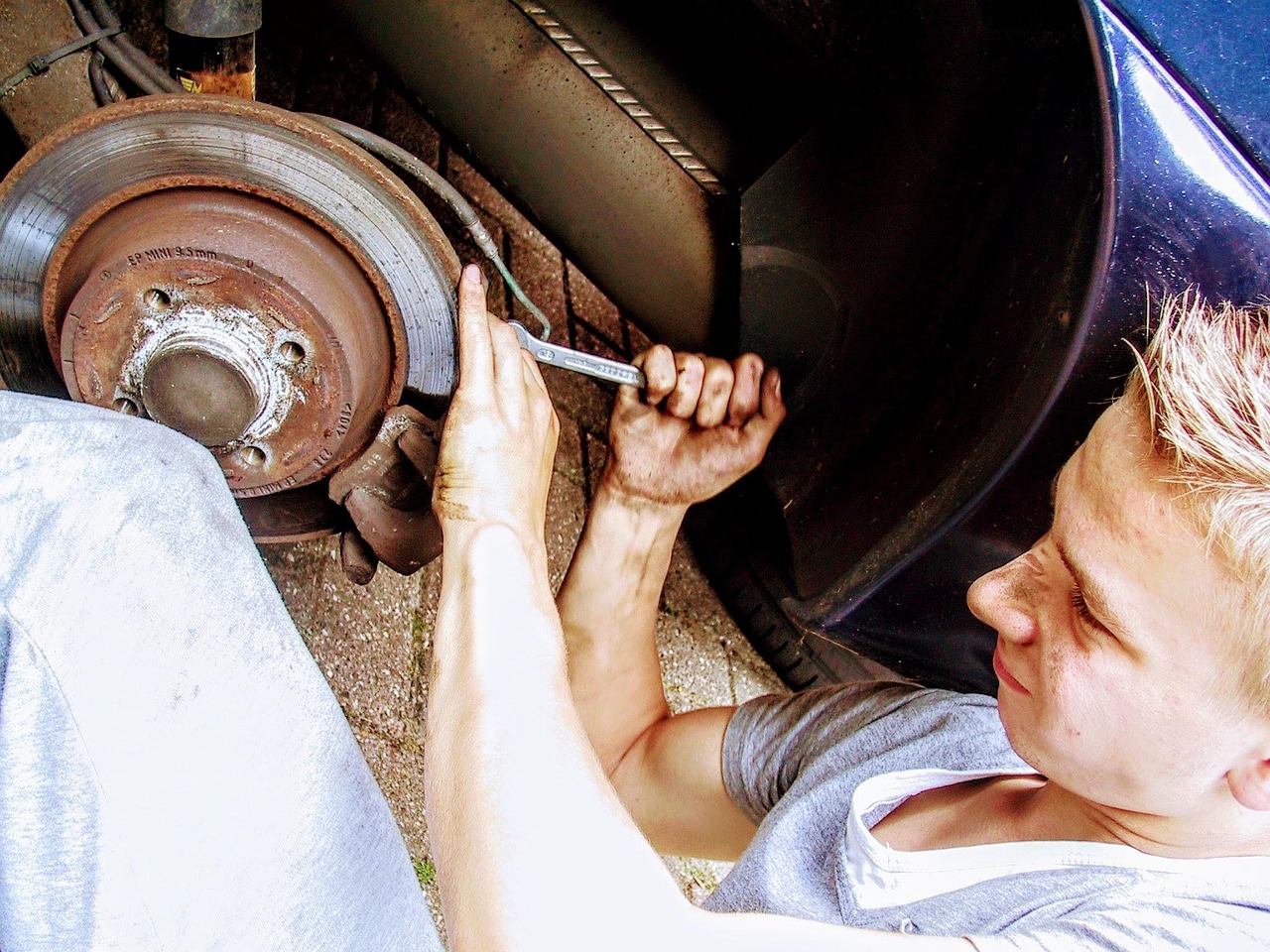
Public cost references show why the range is wide. RepairPal estimates updated on September 3, 2026 put average brake pad replacement at $335 to $394, with labor and parts listed separately. Its brake rotor replacement estimate was $574 to $698, excluding taxes, fees, location and related repairs. AAA has also used about $300 per axle as a brake pad budgeting figure and notes that timely pad replacement can help prevent more expensive rotor damage.
Why one brake quote can be twice another
The phrase brake job can describe very different repair scopes. One shop may quote pads only on the front axle. Another may quote pads, discs, hardware, wear sensors and a brake fluid exchange on all four wheels. The second bill may look high until the line items are compared against the first quote.
Vehicle weight and brake hardware
Compact cars usually use smaller discs and less expensive pads than pickups, large SUVs, performance sedans and many European models. Larger discs contain more material, performance pads may use higher-cost friction formulas, and some vehicles add electronic wear sensors or integrated parking brake components. Luxury and performance vehicles may also specify coated, slotted, drilled or high-carbon discs, which can raise parts cost even when labor time is similar.
Front versus rear axle
Front brakes normally handle more stopping energy, so front pads often wear faster. Rear brakes are not always cheaper, though. Some modern rear disc systems include electronic parking brake procedures that require scan-tool operation or extra care during caliper retraction. If a quote includes added electronic parking brake labor, ask the shop to show it as a separate line.
Labor rate and shop type
Labor rates vary by city, technician skill level and business model. A dealership may charge more than an independent repair shop, especially when it uses original equipment parts and follows brand-specific procedures. Independent shops may offer quality aftermarket options at a lower parts cost, but the quote should still identify the parts brand, warranty terms and whether hardware is included.
Parts quality and warranty
The lowest price is not automatically the best value. Brake pads need to match the vehicle’s weight, driving pattern and braking system. Ceramic pads can be quiet and low-dust for many daily drivers, semi-metallic pads may tolerate heat well, and original equipment pads may preserve the pedal feel intended by the manufacturer. Discs also vary by metallurgy, coating, machining quality and corrosion resistance. A higher parts price can be reasonable when it brings better fit, lower noise risk and a meaningful warranty.
Cost comparison by service scope
The table below gives practical budget ranges for common brake services. These are general planning figures for typical passenger vehicles and light SUVs, not guaranteed prices. Taxes, hazardous waste fees, shop supplies, regional labor rates and vehicle-specific parts can move the final bill up or down.
| Service scope | Typical shop cost | What is usually included | When it makes sense |
|---|---|---|---|
| Pads only, one axle | $300 to $400 | Pad set, labor and basic inspection | Discs are smooth, thick enough and within runout specification |
| Pads and disc resurfacing, one axle | $350 to $550 | Pads, labor and machining existing discs | Discs are thick enough to machine and the shop has resurfacing capability |
| Pads and new discs, one axle | $450 to $850 | Pad set, two discs, labor and hardware where included | Discs are below minimum thickness, warped, deeply grooved, cracked or badly corroded |
| Pads and new discs, all four wheels | $900 to $1,600+ | Front and rear pad sets, four discs and labor | Both axles are worn or the vehicle has uneven braking symptoms on all four corners |
| DIY parts for pads and discs | $200 to $700+ in parts | Parts only, depending on vehicle and brand | Only suitable for experienced DIYers with safe lifting equipment, torque tools and repair data |
A low advertised brake price often applies to a narrow pads-only job. It may not include new discs, premium pads, sensors, taxes or shop supplies. A high quote may be justified if it covers all four corners, original equipment parts and additional failed components, but it should still be transparent.
When discs need replacement instead of pads only
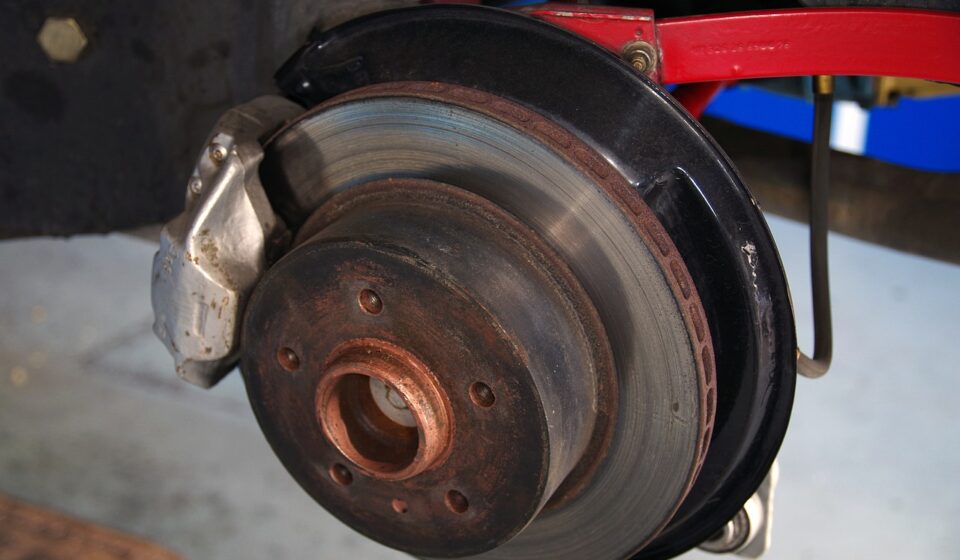
Discs do not have to be replaced every time pads are changed, but they must be measured and inspected. The key number is minimum thickness, which is set by the vehicle or disc manufacturer. If the disc is below that limit, machining is not a safe option and replacement is the correct repair.
Visible and measurable conditions also matter. Deep grooves, heavy rust on the braking surface, heat spots, blue discoloration, cracks, excessive lateral runout or brake pedal pulsation can all support replacement. RepairPal’s rotor guidance notes that technicians look for deep grooves, stress fractures and heat discoloration when diagnosing disc problems. It also recommends replacing the corresponding disc on the other side of the vehicle so braking remains even and predictable.
Some shops replace discs rather than machine them because modern discs can be relatively thin and because resurfacing requires equipment, time and enough remaining thickness. That does not mean every disc must be replaced. It means the shop should be able to explain the measurement, the minimum specification and why resurfacing is or is not appropriate. See also: driveline systems.
How to read a brake replacement quote
A useful brake quote should make the repair scope easy to compare. Before approving the work, look for these details:
- Axle coverage: Front only, rear only or all four wheels.
- Pad type: Ceramic, semi-metallic, organic, original equipment or aftermarket equivalent.
- Disc details: New, resurfaced, coated, uncoated, original equipment or aftermarket.
- Hardware: Clips, shims, abutment hardware and lubricant, where applicable.
- Sensors: Electronic wear sensors or pad sensor wires, if the vehicle uses them.
- Calipers: Whether caliper service is included or replacement is recommended separately.
- Brake fluid: Whether the quote includes a fluid exchange or only the hydraulic bleeding required for the repair.
- Warranty: Parts and labor coverage, including time and mileage limits.
If a quote simply says brakes for $1,100, ask for a written breakdown. The question is not only whether the price is high or low. The better question is what problem is being solved, what parts are being installed, and what evidence supports each recommended item.
Safety, standards and cost context
Brake work is a safety repair, so price should be balanced against fit, friction performance and installation quality. The National Highway Traffic Safety Administration has stated that there is no Federal Motor Vehicle Safety Standard specifically for new brake pads; federal standards regulate complete brake systems, and brake pads can still be subject to recall provisions if they have a safety-related defect. In practical terms, buyers should not treat vague approval claims as a substitute for reputable parts, correct application and proper installation.
Costs are also affected by wider repair-market inflation. In the Bureau of Labor Statistics Consumer Price Index release for August 2026, motor vehicle maintenance and repair was up 5.2 percent from August 2025 and 1.1 percent from July 2026. AAA’s 2025 Your Driving Costs material listed maintenance at 11.04 cents per mile in its weighted average operating cost table. These figures do not predict a specific brake bill, but they help explain why older price expectations may no longer match current shop estimates.
For more brake and chassis maintenance topics, visit the braking and chassis section.
Ways to control cost without cutting safety
- Replace pads before they damage discs. Waiting until the wear indicator squeals, or until metal contacts metal, can turn a pads-only job into pads plus discs.
- Ask for measurements. Disc thickness, pad thickness and runout readings are more useful than general statements such as worn out.
- Compare the same scope. A cheaper quote may exclude discs, sensors or hardware.
- Choose reputable aftermarket parts when appropriate. Original equipment parts are not the only acceptable option, but unknown low-grade parts can create noise, dust, vibration or stopping-performance concerns.
- Repair root causes. A sticking caliper, seized slide pin or contaminated pad can ruin new parts quickly if it is not corrected.
- Do not ignore fluid condition. Brake fluid absorbs moisture over time. If the vehicle is due for service, combining it with brake work may reduce future labor overlap.
Frequently asked questions
Should pads and discs be replaced together?
Not always. Pads can be replaced alone if the discs are smooth, above minimum thickness and within runout limits. Discs should be replaced when they are too thin, cracked, deeply grooved, overheated, badly corroded or causing vibration that cannot be corrected safely.
Is $1,000 a reasonable price for brake pads and discs?
It can be reasonable if the quote covers pads and discs on all four wheels, includes quality parts and comes from a shop with a higher labor rate. It may be high for a single axle on a common vehicle unless additional parts or complications are included. Always compare the written scope.
How long do brake pads usually last?
AAA commonly cites 30,000 to 50,000 miles as a planning range, but real-life service life varies widely. City driving, towing, mountain roads, aggressive braking, vehicle weight and pad material can shorten life. Hybrid and electric vehicles may extend pad life through regenerative braking, but their friction brakes still need inspection.
Can I replace brake pads and discs myself?
Experienced DIYers can do brake work, but the job requires safe lifting, correct torque, proper caliper handling, clean disc surfaces and knowledge of the vehicle’s service procedure. Mistakes can affect stopping performance, wheel attachment or electronic parking brake operation. If there is any doubt, use a qualified repair shop.
Why does my quote include calipers?
Calipers are not automatically replaced with pads and discs. A shop may recommend them if a piston is seized, a boot is damaged, slide pins are frozen, the brake is dragging or fluid is leaking. Ask for the diagnosis and whether the caliper issue caused uneven pad or disc wear.