Brake and clutch systems explained for maintenance and parts selection
Brake and clutch systems are often grouped together in service work because many manual-transmission vehicles use hydraulic actuation in both circuits. Each may include a master cylinder, rubber seals, flexible hoses, rigid lines, and specified brake fluid. The similarity can be helpful for diagnosis, but it can also lead to parts-selection errors.
The brake system converts pedal force into controlled stopping force at the wheels. The clutch hydraulic system uses pedal force to disconnect and reconnect engine power from the transmission for gear changes. Pedal symptoms may look alike, but the risk is not the same. Brake faults affect stopping performance. Clutch faults affect gear engagement, drivability, and control.
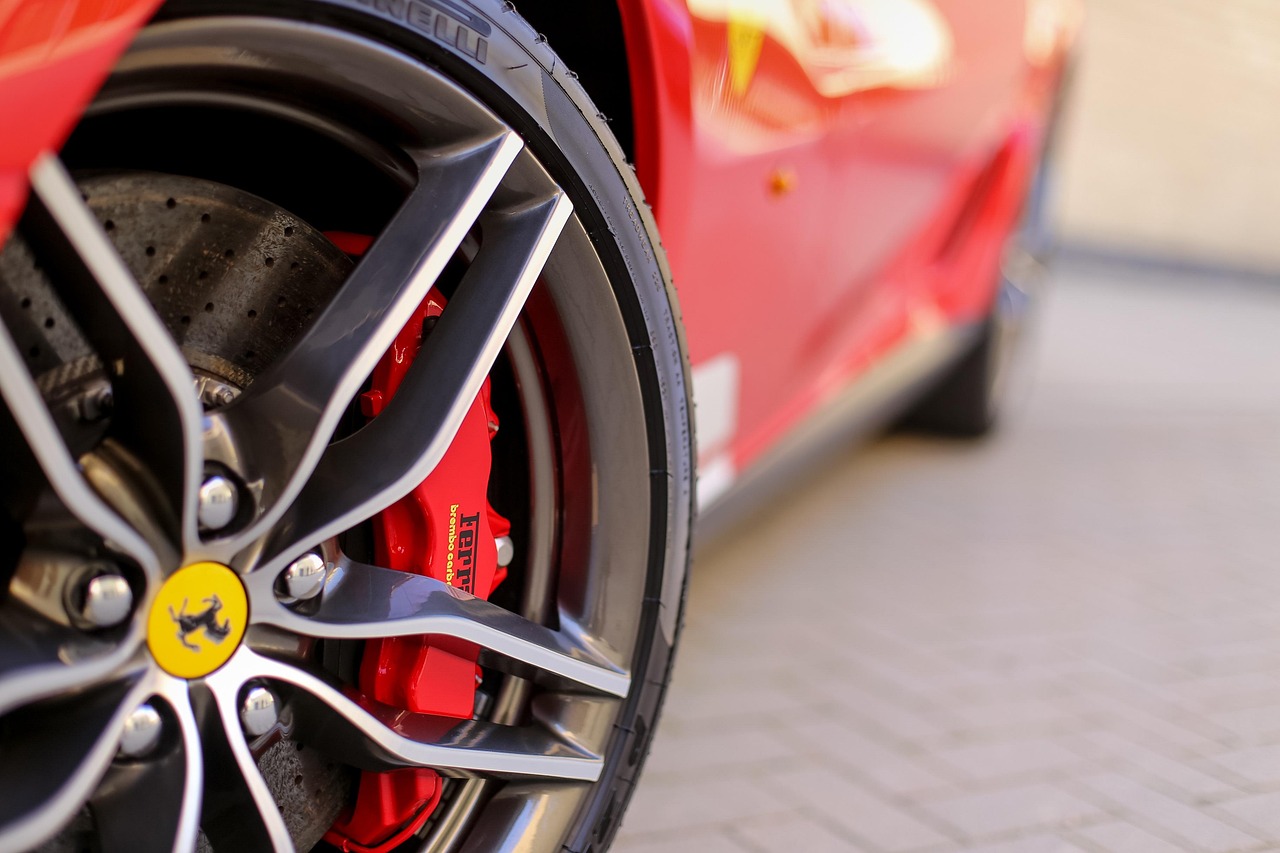
For maintenance and parts selection, the practical approach is to identify the system first, confirm the fluid and component specification, inspect for leaks or contamination, and follow the vehicle manufacturer’s service information. Hydraulic parts that look similar should not be assumed to be interchangeable.
Why brake and clutch systems are often linked
The phrase brake and clutch appears in parts catalogs, workshop checklists, and service discussions because both systems can use related hydraulic technology. A brake master cylinder sends pressurized fluid to calipers or wheel cylinders. A clutch master cylinder sends pressurized fluid to a clutch slave cylinder or concentric release bearing. Both depend on a sealed circuit, compatible fluid, flexible and rigid lines, and seals that can tolerate pressure, temperature, and chemical exposure.
This overlap is useful, but it has limits. A soft pedal, low fluid level, or external leak may occur in either system. A brake pedal concern, however, must be treated as a stopping-safety issue. A clutch pedal concern usually points to disengagement, engagement, or shift quality. A vehicle may still move with a weak clutch hydraulic circuit, but it should not be driven when brake function is uncertain.
Reservoir design also matters. Some vehicles use separate reservoirs for brake and clutch fluid. Others use a shared reservoir with separate takeoffs or internal design features. Older interpretations from the U.S. National Highway Traffic Safety Administration have emphasized that brake reservoir capacity requirements cannot rely on fluid that is also available to the clutch circuit. In service terms, the brake system must maintain its required reserve independently of clutch operation or clutch failure.
How the brake side converts pedal force into stopping force
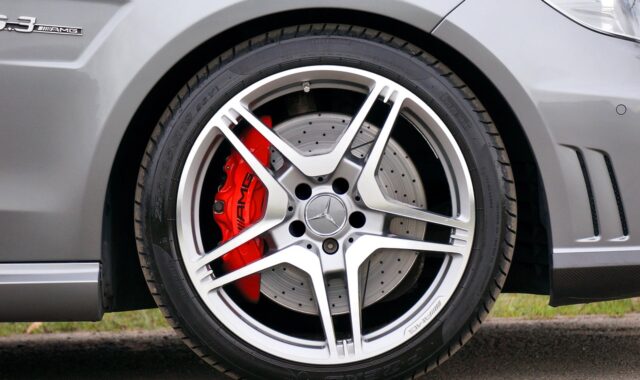
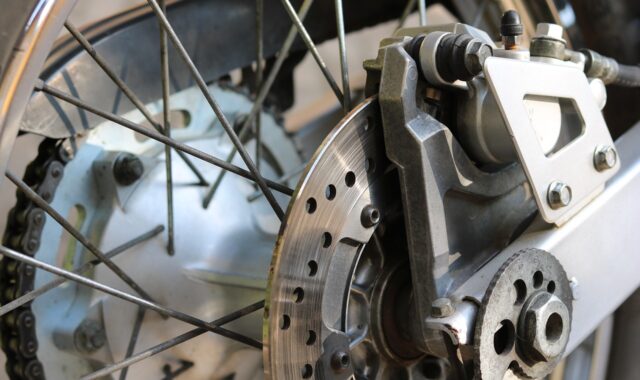
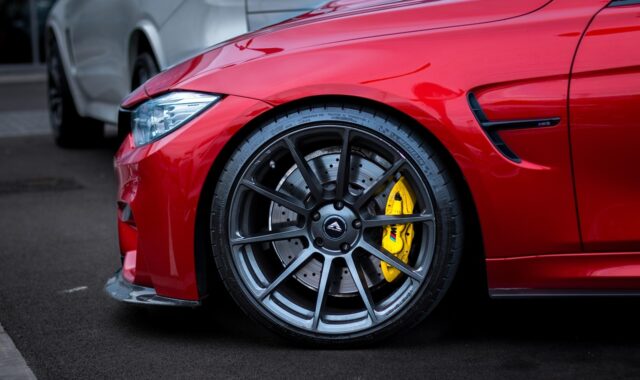
A hydraulic brake system starts at the brake pedal and master cylinder. When the driver presses the pedal, the master cylinder pressurizes brake fluid. That pressure travels through metal lines, flexible hoses, valves, and control units to the wheel-end brakes. In disc brakes, caliper pistons clamp pads against a rotor. In drum brakes, wheel cylinders push shoes against a drum. Modern vehicles may also include an antilock braking system, electronic stability control, brake assist, and regenerative-braking coordination on hybrid or electric models.
In the United States, Federal Motor Vehicle Safety Standard No. 135 covers light-vehicle brake systems, including service-brake and parking-brake performance requirements for vehicles within its scope. Federal Motor Vehicle Safety Standard No. 116 covers motor vehicle brake fluids, including performance, certification, container labeling, and warnings for DOT brake fluid categories. These standards are not repair instructions, but they show why fluid compatibility, labeling, and system integrity are critical.
From a parts perspective, brake components should be selected as a system, not as isolated pieces. Pads, rotors, calipers, hoses, hardware, wheel cylinders, master cylinders, and fluid all interact. New friction parts cannot compensate for contaminated fluid, a swelling hose, a seized slide pin, or master-cylinder bypass. In the same way, a fluid change will not correct rotor thickness, runout, caliper movement, or pad-material problems.
How the clutch hydraulic side controls gear engagement
In a hydraulic clutch system, the clutch pedal operates a clutch master cylinder. Fluid pressure moves through a line to a slave cylinder or concentric release bearing. That movement operates the release mechanism, allowing the pressure plate to release the clutch disc from the flywheel so the driver can shift gears.
The clutch circuit has a different duty cycle from the brake system. It may be used frequently in traffic, but it is not designed to turn vehicle kinetic energy into heat at the wheels. Common clutch-side symptoms include hard shifting, gear clash, incomplete release, a low engagement point, a pedal that stays down, or fluid leakage near the bellhousing or pedal area.
Clutch hydraulics should not be confused with transmission lubrication. Many hydraulic clutch circuits use DOT brake fluid, but the transmission itself may require gear oil, automatic transmission fluid, or a manufacturer-specific lubricant. Mixing these categories is a serious service error. Brake fluid is used only in the hydraulic actuation circuit where specified; it is not a substitute for gearbox lubricant.
Fluid choice, heat, and contamination matter
Brake fluid is not a generic hydraulic liquid. FMVSS No. 116 identifies DOT 3, DOT 4, DOT 5, and DOT 5.1 categories and requires brake-fluid containers to carry information such as the DOT designation, certification, minimum wet boiling point, and warnings about keeping the fluid clean and dry. SAE brake-fluid documents such as J1703, J1704, and J1707 also address performance and service handling practices. For maintenance, the message is straightforward: use the type specified by the vehicle manufacturer and keep contamination out of the system.
Most DOT 3, DOT 4, and DOT 5.1 fluids are glycol-based and can absorb moisture over time. Moisture lowers boiling-point reserve and can contribute to internal corrosion. DOT 5 is silicone-based and is not the same as DOT 5.1. Because compatibility depends on vehicle design, seal materials, and manufacturer instructions, fluid categories should not be upgraded or mixed casually.
Heat is most critical on the brake side. Repeated braking, heavy loads, mountain driving, towing, poor pad contact, or dragging calipers can raise temperatures. If fluid condition is poor, vapor can form and cause a long or sinking pedal. The clutch side typically sees less heat from wheel braking, but it remains vulnerable to moisture, seal wear, and contamination. A dark reservoir, swollen rubber components, or recurring air in the circuit should lead to inspection rather than repeated topping up.
Brake and clutch comparison for diagnosis
| Area | Brake system | Clutch hydraulic system |
|---|---|---|
| Main function | Slows and stops the vehicle by applying wheel brakes. | Disengages and re-engages engine power for gear changes. |
| Common hydraulic source | Brake master cylinder and brake fluid reservoir. | Clutch master cylinder, sometimes supplied by the brake-fluid reservoir. |
| Typical symptoms | Soft pedal, long pedal travel, pulling, vibration, warning light, fluid loss, reduced stopping confidence. | Hard shifting, gear clash, low bite point, pedal not returning, fluid leak near master or slave cylinder. |
| Fluid concern | Boiling point, moisture, contamination, correct DOT category, ABS compatibility. | Correct specified hydraulic fluid, seal compatibility, air in the circuit, reservoir level. |
| Safety priority | Immediate stopping-safety concern. | Drivability and control concern; can still create unsafe situations if ignored. |
This comparison helps separate similar symptoms from different root causes. A low shared reservoir may point to brake wear, a brake leak, or a clutch leak depending on the vehicle design. A technician or parts buyer should not assume that one visible symptom identifies the failed part. Leak location, pedal behavior, warning lamps, reservoir design, and service history all matter. See also: driveline systems.
Symptoms that should guide inspection before parts selection
Soft or sinking brake pedal
A soft brake pedal can result from air in the brake lines, fluid contamination, a leak, hose expansion, poor bleeding, or master-cylinder internal bypass. If the pedal sinks under steady pressure, the vehicle should be inspected before further driving. Replacing pads alone will not correct a hydraulic pressure problem.
Low or changing clutch engagement point
A clutch pedal that engages near the floor may indicate air in the clutch circuit, a leaking master cylinder, a failing slave cylinder, or mechanical clutch wear. If the hydraulic circuit is sealed and properly bled but the symptom remains, the release system and clutch assembly need broader evaluation.
Fluid level dropping after top-up
Brake or clutch fluid should not disappear in normal service. Brake-fluid level can gradually fall as disc brake pads wear because caliper pistons move outward, but a continuing drop or visible wetness around cylinders, lines, hoses, calipers, or the bellhousing calls for inspection. Topping up without finding the cause can hide a developing failure.
Noise, vibration, and pedal feel changes
Brake noise or vibration is usually linked to friction materials, rotor or drum condition, hardware, bearing play, or caliper movement. Clutch noise may relate to release bearings, pilot bearings, disc springs, or drivetrain alignment. Because hydraulic and mechanical faults can overlap, diagnosis should combine pedal feel with visual inspection and vehicle-specific service data.
Parts selection checklist for brake and clutch work
When choosing replacement components, start with the vehicle application rather than the part name alone. Year, make, model, engine, transmission type, brake package, production date, and market version can all affect fitment. For more braking-related topics and component context, visit the braking and chassis section.
- Confirm whether the concern is in the brake circuit, clutch circuit, or a shared reservoir arrangement.
- Check the manufacturer-specified fluid type before adding or flushing fluid.
- Inspect for external leaks before replacing friction parts or hydraulic cylinders.
- Replace related hardware when wear, corrosion, or heat damage could affect performance.
- Do not mix silicone DOT 5 with glycol-based systems unless the vehicle manufacturer specifically calls for that design.
- Use new fluid from a clean, sealed container and avoid reusing fluid that has absorbed moisture.
- For ABS-equipped vehicles, follow the correct bleeding procedure because some systems require scan-tool cycling or a specific sequence.
- For concentric clutch slave cylinders, consider the labor impact because access often requires transmission removal.
Good parts selection is not only about matching dimensions. Seal material, thread form, port orientation, hose length, sensor provisions, bracket geometry, and fluid compatibility can determine whether a component works safely. This is especially important in brake and clutch hydraulics, where a small mismatch can create leaks, incomplete release, or poor pedal response.
Common mistakes to avoid
One common mistake is treating brake fluid as a universal top-up liquid. The correct grade must match the vehicle specification, and the container should be clean, sealed, and clearly labeled. Another mistake is replacing a visible failed part without asking why it failed. A seized caliper may be linked to corrosion, hose restriction, guide-pin issues, or heat damage. A leaking clutch slave cylinder may be the visible failure, but an old clutch assembly or worn release mechanism can add load and shorten the life of new parts.
A third mistake is delaying inspection because the vehicle still moves. Brake faults can worsen quickly, especially when fluid level drops or air enters the circuit. Clutch faults can also become more expensive if poor release damages synchronizers or makes gear engagement harsh. Early diagnosis protects both safety and downstream components.
Frequently asked questions
Are brake fluid and clutch fluid the same?
In many manual-transmission vehicles, the clutch hydraulic circuit uses the same type of DOT brake fluid specified for the brake system. However, this is not universal. Always check the reservoir cap, service manual, or manufacturer specification before adding fluid.
Can a clutch leak lower the brake-fluid reservoir?
It can on vehicles where the clutch circuit is supplied from the brake-fluid reservoir. The reservoir design may separate brake reserve from clutch supply, but any unexplained drop should be inspected because it can indicate a leak in either system.
Should DOT 4 replace DOT 3 in every brake and clutch system?
No. DOT 4 has different performance characteristics, but fluid choice must follow the vehicle manufacturer’s specification. Seal compatibility, ABS operation, service interval, and system design matter more than assuming a higher DOT number is always the right upgrade.
Why does the clutch pedal feel soft after hydraulic work?
A soft clutch pedal after service often points to air trapped in the line, incomplete bleeding, a leaking master or slave cylinder, or an installation issue. Some clutch systems are difficult to bleed because of line routing or concentric slave-cylinder design.
When should brake and clutch hydraulic parts be replaced together?
They do not always need replacement together, but related parts should be evaluated as a system. If one hydraulic cylinder has failed from age, contamination, or seal wear, the connected hose, reservoir condition, and counterpart cylinder should also be inspected before the repair is considered complete.