Brakes and rotors explained for smarter replacement decisions
Why brakes and rotors should be evaluated as a system
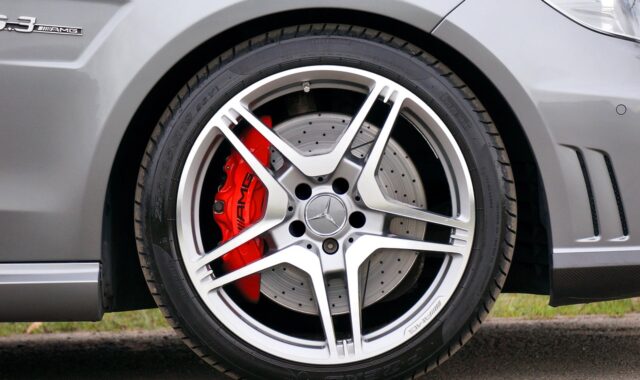
Brakes and rotors are often listed as separate replacement items, but on a disc brake vehicle they operate as one friction system. The brake pad supplies the friction material, the rotor provides the rotating contact surface, and the caliper applies clamping force so the vehicle can convert motion into heat and slow down. Installing a new pad against a worn, grooved, undersized, or heat-damaged rotor may lead to inconsistent noise, vibration, stopping feel, or wear performance.
For drivers, repair shops, and parts buyers, the question is not only whether the pads are worn. The better question is whether the pad, rotor, caliper hardware, hydraulic condition, and vehicle application are still working together within the required service specifications.
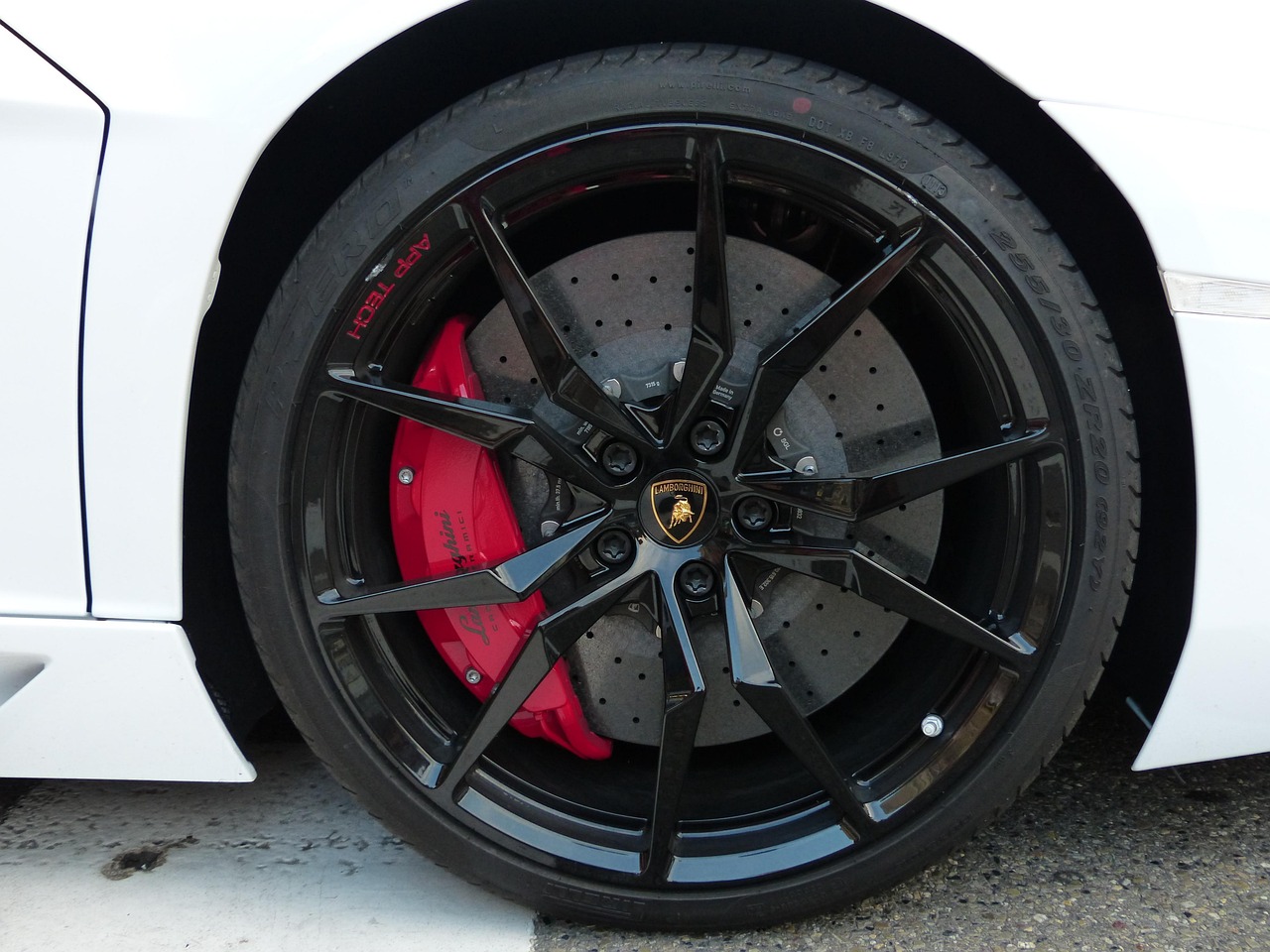
This matters because the brake system is both a safety system and a wear system. Pads, rotors, fluid, hoses, calipers, sensors, and mounting hardware can all affect pedal feel, stopping consistency, noise, corrosion behavior, and service life. For more context on related vehicle systems, see the braking and chassis category.
How disc brakes work in daily driving
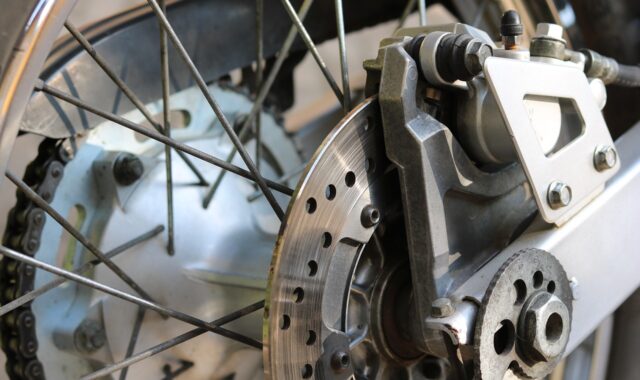
Most modern passenger vehicles use disc brakes on at least the front axle, and many use them on all four wheels. In a typical hydraulic disc brake system, pressing the brake pedal sends brake fluid pressure through the system. That pressure acts on the caliper piston, which pushes the brake pads against the rotor. Friction between the pad and rotor slows the wheel while generating heat.
The rotor is more than a metal disc. Its mass, ventilation design, surface finish, metallurgy, dimensional accuracy, and corrosion protection can all influence brake behavior. The pad is also more than a block of friction material. Pad formulation affects friction stability, dust, noise, cold bite, fade resistance, rotor wear, and environmental compliance.
Because braking creates heat, repeated stops can expose weak combinations quickly. A pad with poor heat stability may fade. A rotor with excessive runout can contribute to pedal pulsation. A caliper slide that does not move freely can cause uneven pad wear. A brake hose or fluid issue can change pedal feel even when the pads and rotors look acceptable. For that reason, a complete inspection is more reliable than replacing the most visible part.
Common wear signs and what they usually mean
Brake symptoms are useful, but they should be treated as clues rather than final diagnoses. Industry maintenance guidance, including material from the Car Care Council and AAA, consistently identifies noise, vibration, pulling, soft pedal feel, warning lights, and visible wear as signs that a brake inspection is needed.
| Symptom | Possible cause | Why it matters |
|---|---|---|
| Squeal or high-pitched noise | Pad wear indicator contact, pad vibration, glazing, or hardware issue | It may be an early warning before deeper rotor damage develops. |
| Grinding noise | Friction material may be worn through, or debris may be trapped | Metal-to-metal contact can damage rotors and reduce braking confidence. |
| Pedal pulsation or steering wheel vibration | Rotor thickness variation, excessive runout, uneven pad deposits, or suspension issues | The cause should be measured, not guessed, before parts are replaced. |
| Vehicle pulls during braking | Uneven pad friction, sticking caliper, hose restriction, tire issue, or alignment condition | Side-to-side brake imbalance can affect control during braking. |
| Soft or sinking pedal | Air in the hydraulic system, fluid leak, master cylinder issue, or hose problem | This is a hydraulic warning sign and should not be addressed with pads and rotors alone. |
| Brake warning light or ABS light | System fault, low fluid, sensor issue, parking brake input, or electronic control problem | Electronic and hydraulic checks are required before assuming normal wear. |
A visual check can find obvious problems such as thin pad material, heavy corrosion, deep grooves, cracked friction material, leaking calipers, or damaged hoses. Rotor condition, however, also requires measurement. A rotor can look smooth and still be below minimum thickness, have excessive runout, or develop thickness variation that causes vibration.
When rotors should be resurfaced or replaced
There is no universal rotor thickness or replacement interval that applies to every vehicle. Rotor service limits are application-specific and are normally defined by the vehicle or rotor manufacturer. A proper brake inspection measures rotor thickness with the correct tool and compares it with the specified minimum. Professional training material from ASE emphasizes measuring rotors with tools such as a micrometer and checking runout with a dial indicator when diagnosing disc brake concerns.
Rotors may need replacement when they are below minimum thickness, cracked, heavily scored, deeply corroded in the pad contact area, heat-checked beyond service limits, or unable to be refinished while remaining above specification. Replacement may also be the practical choice when machining leaves too little thickness margin or is not cost-effective. In many modern vehicles, rotors are lighter than older designs, leaving less material available for resurfacing.
Resurfacing can be appropriate in some cases, but it is not a cure-all. The final rotor surface must support proper pad bedding, and the rotor must remain within thickness and runout limits after machining. If a vehicle has recurring vibration, the technician should also check hub cleanliness, wheel bearing condition, lug nut torque procedure, caliper movement, and pad material transfer. Replacing rotors without correcting installation or mechanical causes can lead to repeat complaints.
Material choices in brake pads and rotors
Brake pad formulations
Common aftermarket pad categories include ceramic, semi-metallic, low-metallic, and non-asbestos organic formulations. These labels are useful starting points, but they do not guarantee performance by themselves. Two ceramic pads from different manufacturers can behave differently because friction performance depends on the full formulation, manufacturing process, backing plate design, shim package, slot and chamfer design, and testing approach.
Ceramic pads are often associated with low dust and quiet operation in many passenger car applications. Semi-metallic pads are often selected where heat handling and braking demand are higher, although they may create more dust or noise depending on the formulation and rotor pairing. Organic formulations can provide smooth operation in some applications but may not suit every driving profile. The right choice depends on vehicle weight, axle load, driver expectations, climate, speed range, towing use, and market regulations.
Rotor materials and finishes
Most replacement rotors are cast iron, but quality differences can be significant. Casting consistency, vane design, balance, machining accuracy, surface finish, coating, and packaging all affect service results. Coated rotors can help reduce cosmetic corrosion on non-friction surfaces, especially in regions with road salt or high humidity, but coating does not remove the need for correct installation and bedding.
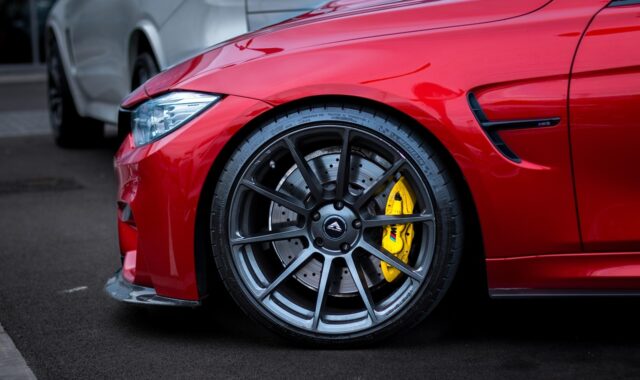
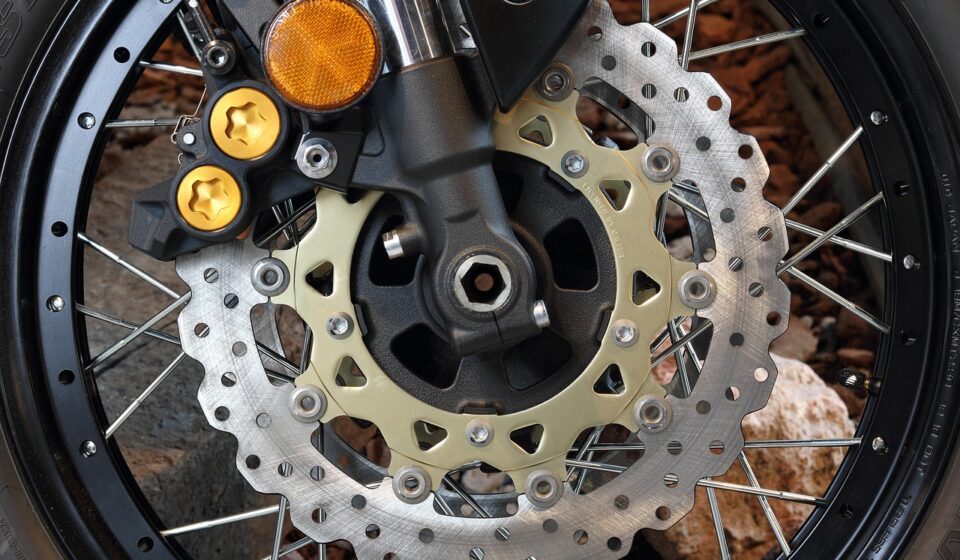
Drilled or slotted rotors can be relevant for certain performance applications, but they are not automatically better for daily driving. Slots and holes change heat, gas, water, noise, and wear behavior. For standard passenger vehicles, an accurately manufactured plain or coated rotor that meets the correct specification may be a better service choice than a performance-style design selected mainly for appearance. See also: driveline systems.
Regulatory and environmental context buyers should know
Brake parts are not evaluated only by fitment and price. Regulations, environmental rules, and market-specific approvals also matter. In the United States, Federal Motor Vehicle Safety Standard No. 135 establishes performance requirements for light vehicle brake systems. That standard applies at the vehicle system level, so parts buyers should avoid assuming that a replacement component is acceptable simply because it physically fits.
For markets that apply UNECE rules, UN Regulation No. 90 is especially important because it covers approval provisions for replacement brake lining assemblies, drum-brake linings, discs, and drums for power-driven vehicles and trailers. This makes R90 approval a practical sourcing checkpoint in many regions where replacement brake components must meet regulated performance and marking requirements.
Environmental composition is another major issue. The U.S. Environmental Protection Agency describes the Copper-Free Brake Initiative as a voluntary agreement signed on January 21, 2015 by EPA, states, and automotive industry representatives. The initiative called for reducing copper in brake pads to less than 5 percent by weight in 2021 and 0.5 percent by 2025, while also addressing materials such as mercury, lead, cadmium, asbestiform fibers, and chromium-six salts. For global sourcing, friction material compliance and package marking can be as important as mechanical fitment.
These rules do not make one brand or formulation automatically superior. They do show why serious brake part evaluation should include documentation, marking, applicable approvals, material declarations, and traceability. In a safety-related category, broad descriptions such as premium, heavy duty, or OE style are not enough without supporting specifications.
A practical checklist for selecting brakes and rotors
Whether the buyer is a repair shop, distributor, fleet operator, or informed vehicle owner, the same principle applies: match the part to the vehicle and the use case. A low-noise commuter vehicle, a light truck used for towing, a taxi in stop-and-go traffic, and a performance sedan do not place the same demands on brake parts.
- Confirm the exact application. Match year, make, model, trim, engine, axle position, rotor diameter, caliper type, and production variations.
- Check service specifications. Compare rotor thickness, diameter, height, bolt pattern, center bore, vane type, and minimum thickness marking where applicable.
- Evaluate pad compatibility. Choose a friction formulation suited to vehicle weight, driving pattern, expected temperature range, dust preference, and noise tolerance.
- Look for required approvals. In regulated markets, verify the required markings and approval documentation rather than relying only on catalog claims.
- Inspect hardware. Clips, shims, abutment surfaces, caliper slides, boots, and pins can determine whether a new pad-and-rotor job succeeds or fails.
- Consider the hydraulic system. Fluid condition, hose integrity, caliper piston movement, and warning lights should be checked when symptoms point beyond normal wear.
- Follow bedding guidance. Pads and rotors need correct break-in where specified by the manufacturer to establish a stable friction surface.
The checklist also helps avoid unnecessary replacement. If vibration is caused by hub runout or uneven wheel torque, new rotors may not solve the problem for long. If one inner pad is worn far faster than the outer pad, a sticking caliper slide may be the real issue. If the pedal feels soft, hydraulic diagnosis should come before ordering friction parts.
Frequently asked questions
Should brake pads and rotors be replaced together?
Not always. Pads and rotors should be evaluated together, but replacement depends on measurements and condition. If the rotor is above minimum thickness, has acceptable runout, has no severe scoring or cracking, and can provide the correct surface finish, it may not need replacement. If it is undersized, damaged, badly corroded, or likely to cause noise or vibration, replacing it with the pads is usually the more reliable repair.
Why do new brakes sometimes make noise?
Noise can come from pad formulation, rotor finish, missing or reused hardware, caliper movement problems, contamination, improper bedding, or vibration between components. A small amount of bedding noise may disappear, but persistent squeal, grinding, or pulsation should be inspected.
Are ceramic brake pads always better than semi-metallic pads?
No. Ceramic and semi-metallic are broad categories, not quality grades. Ceramic pads may suit many everyday passenger vehicles where low dust and quiet operation are priorities. Semi-metallic pads may be better for higher heat or heavier-duty use. The correct choice depends on the vehicle, driving conditions, and verified product specification.
What does rotor minimum thickness mean?
Minimum thickness is the service limit for that rotor design. If the rotor is at or below that limit, it should not be reused. A rotor also needs enough remaining thickness to stay within specification through the expected service life of the new pads.
What is the main sourcing lesson for brakes and rotors?
The best sourcing decision is evidence-based. Fitment, measured specifications, material compliance, required approvals, installation hardware, and the real driving application all matter more than broad marketing labels. In braking systems, consistency and documentation are just as important as price.