Clutch and brake systems explained for automotive parts decisions
Why clutch and brake parts are linked but not interchangeable
Clutch and brake systems are often discussed together because both depend on controlled friction, pedal input, hydraulic force, and wear parts matched to a specific vehicle. Their functions are different. The clutch connects and disconnects engine torque from the transmission so the vehicle can pull away, shift gears, or stop without stalling. The brake system converts vehicle motion into heat so the vehicle can slow, stop, and remain stationary. For technicians, distributors, and parts buyers, the practical point is clear: the two systems may share fluid types, installation space, and some diagnostic symptoms, but they are not interchangeable assemblies.
In automotive parts selection, clutch and brake usually points to a broader service question: how do friction parts, hydraulic actuation, pedal feel, and vehicle configuration affect the correct replacement choice? A brake pad chosen only by shape can still be wrong for the rotor material or duty cycle. A clutch kit chosen only by disc diameter can still mismatch the flywheel, release bearing, or pressure plate. The safer approach is to identify the system function first, then confirm the vehicle application, operating conditions, and related parts that influence performance.
For related coverage across stopping, steering, suspension, and chassis topics, see the braking and chassis section.
How the clutch system manages torque
A conventional manual clutch sits between the engine and transmission. Its main components include the flywheel, clutch disc, pressure plate, release bearing, fork or concentric slave cylinder, and an actuation system. When the clutch pedal is released, spring force clamps the disc between the pressure plate and flywheel. Engine torque flows through the disc hub into the transmission input shaft. When the driver presses the pedal, the release mechanism reduces clamping force and separates the disc from the flywheel, allowing a gear change or stationary idle without engine stall.
Friction material defines much of the clutch’s behavior. A passenger-car clutch normally has to balance smooth engagement, noise control, heat resistance, and service life. Commercial, performance, or heavily loaded applications may need different friction compounds and stronger pressure plates. The trade-off is that higher clamp load can increase pedal effort and driveline harshness. That is why clutch selection should be based on vehicle use, torque output, flywheel type, and release system design, not a single dimension.
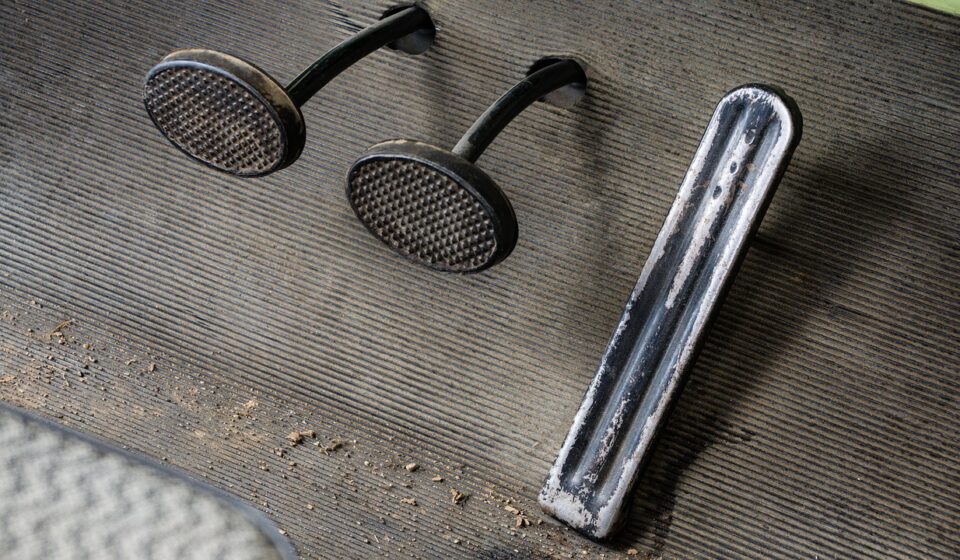
Hydraulic clutch actuation is common because it packages well and can provide consistent pedal feel as components wear. Many systems use a master cylinder at the pedal and a slave cylinder near, or around, the transmission input shaft. Some vehicles use brake-fluid-type hydraulic fluid for the clutch circuit, sometimes from a shared reservoir. That shared fluid type is one reason buyers connect clutch and brake service, but the circuits perform different jobs and may require different bleeding procedures.
How the brake system turns motion into controlled stopping
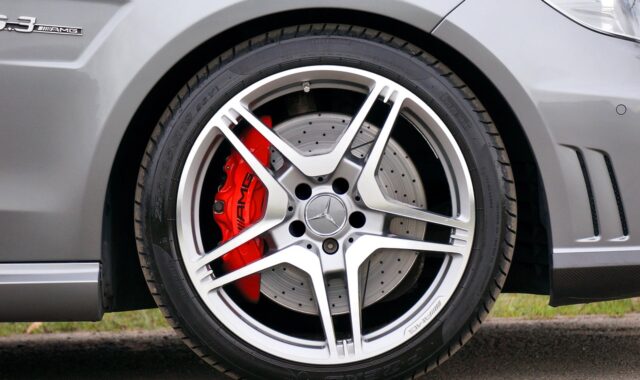
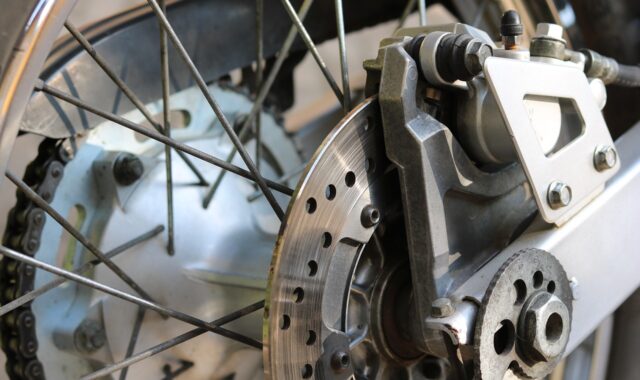
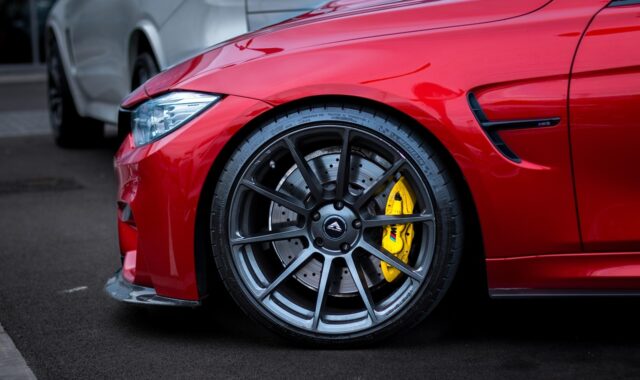
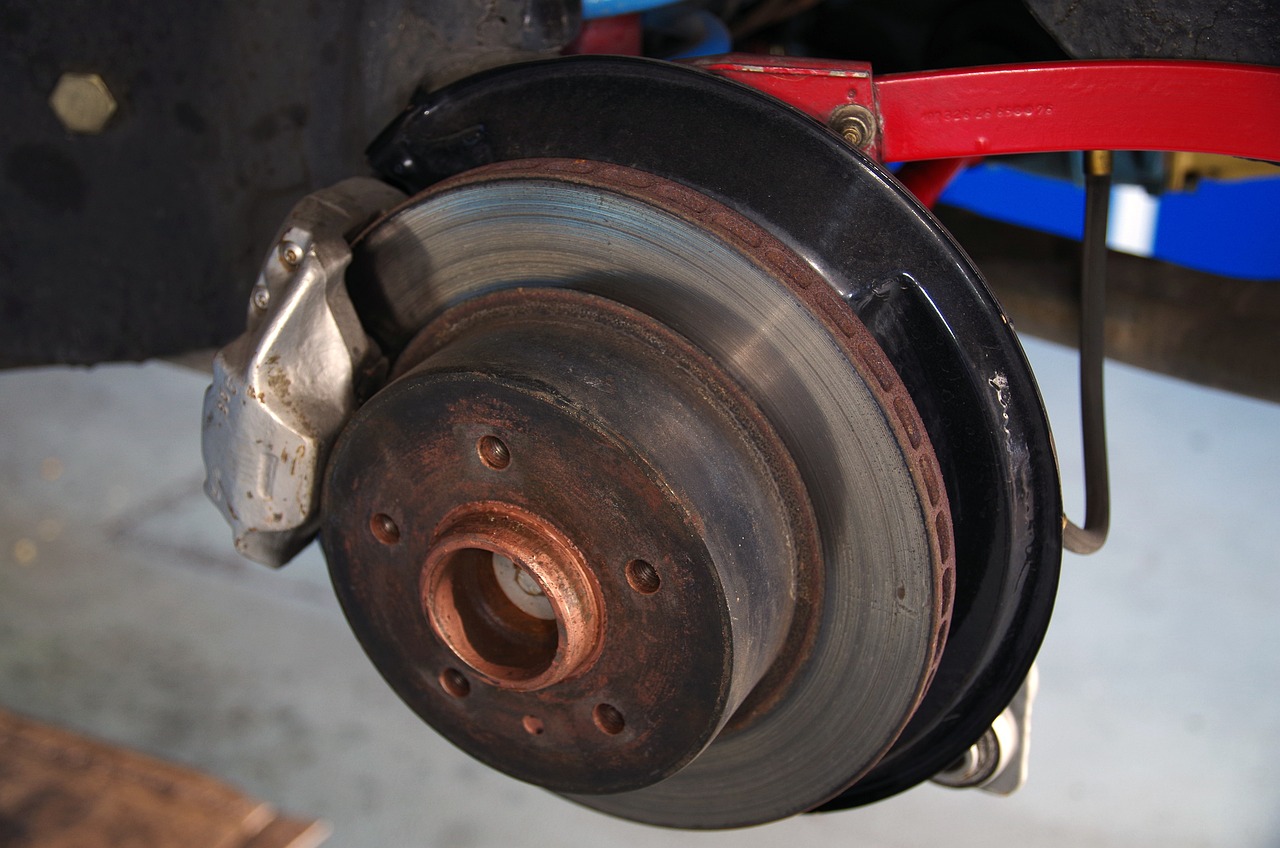
The brake system is built around controlled deceleration. In a hydraulic disc brake, pedal force is multiplied by a booster and master cylinder, transmitted through brake fluid, and converted into clamping force at the caliper. Pads press against the rotor and convert kinetic energy into heat. In drum brakes, shoes press outward against the drum. Parking brakes may use mechanical cables, electric actuators, or integrated caliper mechanisms, depending on vehicle design.
Brake systems are more directly regulated than clutch systems because stopping performance is a primary safety requirement. In the United States, NHTSA Federal Motor Vehicle Safety Standard No. 135 covers passenger car brake systems, while FMVSS No. 105 addresses hydraulic and electric brake systems for other vehicle categories. These standards focus on performance requirements for service and parking brakes under defined test conditions. For parts professionals, the key point is that replacement components must preserve the vehicle’s intended braking function, not merely fit into the same space.
Brake components also operate through harsher thermal cycles than many drivers realize. Repeated stops can heat rotors, drums, pads, linings, seals, and fluid. A pad compound that is quiet at low speed may not suit high-load use. A rotor below minimum thickness may run hotter and be more prone to distortion. A caliper with sticking slide pins can create tapered pad wear and pull. These details make brake service a system-level decision rather than a pad-only or shoe-only decision.
Where hydraulics and friction overlap
The overlap between clutch and brake systems is real, but limited. Both may use a pedal, master cylinder, hydraulic lines, seals, friction surfaces, and heat-resistant materials. Both can suffer from air in the hydraulic circuit, fluid leakage, contaminated friction material, and improper installation. Both also depend on the correct match between moving parts and friction surfaces.
Brake fluid is one of the most important shared topics. DOT 3, DOT 4, and DOT 5.1 glycol-based brake fluids absorb moisture over time. NHTSA brake fluid labeling requirements under FMVSS No. 116 include warnings intended to prevent contamination and moisture absorption. Moisture reduces boiling-point margin and can contribute to corrosion inside hydraulic components. If the same fluid reservoir feeds a clutch circuit, poor fluid condition can affect clutch release quality as well as brake reliability.
Even so, shared hydraulic principles do not justify shared service assumptions. A soft brake pedal can point to air, a leak, hose expansion, master cylinder bypass, or caliper movement. A clutch pedal that stays down can point to a failing master cylinder, slave cylinder, release bearing issue, mechanical fork problem, or internal clutch failure. Similar pedal complaints can lead to very different repairs.
| Observed symptom | Brake-related possibilities | Clutch-related possibilities |
|---|---|---|
| Soft or sinking pedal | Air in lines, fluid leak, master cylinder fault, hose expansion | Air in clutch circuit, leaking master or slave cylinder |
| Burning smell | Dragging caliper, overheated pads, parking brake not releasing | Clutch slip, excessive riding of the pedal, weak clamp load |
| Vibration | Rotor thickness variation, hub runout, uneven pad deposits | Warped flywheel, uneven clutch engagement, worn mounts |
| Noise during operation | Pad wear indicator, loose hardware, caliper or shoe issue | Release bearing noise, pilot bearing wear, disc damper wear |
Diagnostic checks before ordering parts
Good parts selection starts with diagnosis. Replacing a clutch disc without checking the flywheel, release bearing, pilot bearing, and hydraulic travel can lead to repeat failure. Replacing brake pads without checking rotor thickness, runout, caliper movement, and hose condition can create noise, uneven wear, or poor pedal feel.
Confirm the vehicle configuration
Model year alone is not enough. The same nameplate may have different engines, transmissions, brake rotor sizes, caliper types, axle ratings, electronic parking brake designs, and wheel packages. For clutch parts, confirm engine torque rating, transmission code, flywheel type, disc diameter, spline count, and whether the release system uses an external slave cylinder or a concentric slave cylinder. For brake parts, confirm rotor diameter, thickness, caliper bracket, axle position, parking brake design, and any heavy-duty or performance package.
Inspect related components, not only the failed part
A clutch that slips may have a worn disc, but oil contamination from a rear main seal or transmission input seal can be the root cause. A clutch that will not release may have hydraulic travel loss rather than worn friction material. Likewise, brake pad wear may be accelerated by seized guide pins, a restricted hose, corroded abutment surfaces, or a parking brake actuator fault.
Match friction material to duty cycle
Friction material choice should reflect how the vehicle is used. Urban stop-and-go driving puts different heat cycles on brake pads than highway commuting. Towing and loaded commercial use increase brake energy and clutch thermal stress. In manual-transmission vehicles used in hilly areas, clutch engagement heat can rise quickly if drivers hold the vehicle on the clutch instead of the brake. Matching the part to the use case helps reduce noise complaints, premature wear, and repeat service.
Parts selection considerations for the aftermarket
Aftermarket clutch and brake parts must satisfy three requirements at once: dimensional fit, functional compatibility, and service durability. Dimensional fit means the part bolts on or installs correctly. Functional compatibility means the material, hydraulic travel, clamping force, and thermal behavior suit the vehicle. Durability means the part can survive realistic operating conditions when installed correctly. See also: driveline systems.
For clutch kits, it is often practical to replace the disc, pressure plate, and release bearing together. If the vehicle uses a concentric slave cylinder inside the bellhousing, many technicians replace it during clutch service because access requires transmission removal. Flywheel condition is equally important. A worn, cracked, overheated, or incorrectly machined flywheel can cause chatter, slip, or poor release even when the clutch kit is new.
For brake service, pad and rotor matching is a common decision point. Installing new pads on rotors that are below specification, heavily grooved, or affected by runout can compromise performance and noise control. Hardware also matters: clips, shims, springs, boots, and guide pins help the friction material move and retract properly. Low-cost service that ignores these components may look acceptable at installation but create complaints after a few hundred miles.
Fluid specification should always follow the vehicle manufacturer’s requirement. DOT ratings are not simply quality grades; they indicate different performance and chemistry requirements. DOT 5 silicone brake fluid, for example, is not the same as DOT 5.1 glycol-based fluid and should not be treated as a routine upgrade. Mixing incompatible fluids can damage seals or alter system behavior.
How electrification and transmission trends change the discussion
Vehicle electrification changes the relationship between clutch and brake demand, but it does not remove the need for braking expertise. Battery-electric vehicles usually do not have a conventional engine flywheel and manual clutch because electric motors can deliver torque without idling like an internal-combustion engine. Hybrids, dual-clutch transmissions, and automated manual designs may still use clutches in different forms, often controlled electronically rather than directly by a pedal.
Brake systems are also evolving. Regenerative braking allows an electric motor to recover energy during deceleration, reducing the workload of friction brakes in some driving conditions. However, vehicles still require friction brakes for emergency stops, low-speed control, parking, backup braking, and conditions where regeneration is limited. This can change service patterns: pads may wear more slowly, while corrosion, caliper movement, and rotor surface condition become more important because friction brakes may be used less aggressively in everyday driving.
Market data supports watching these trends carefully rather than assuming a single global direction. ACEA’s 2026 Pocket Guide reported that battery-electric cars accounted for 17.4% of the European Union new-car market in 2025, while hybrid-electric models also remained a major part of the market. That mix suggests the aftermarket will continue handling conventional clutch service, hybrid driveline components, and advanced braking systems at the same time for years, especially because vehicles already on the road remain in service long after new-vehicle trends change.
Practical takeaways for technicians and parts buyers
The most reliable clutch and brake decisions come from system thinking. Identify the vehicle accurately, understand the operating conditions, inspect related components, and follow fluid and friction specifications. Do not assume that a pedal symptom points to a single failed part. Do not assume that an upgraded friction material improves every vehicle. And do not treat hydraulic compatibility as proof that clutch and brake systems can be serviced by the same shortcut.
- Use VIN, transmission code, axle information, and brake package data whenever possible.
- Check hydraulic leaks, fluid condition, and bleeding requirements before replacing major components.
- Inspect mating surfaces such as flywheels, rotors, drums, hubs, and caliper brackets.
- Replace related hardware when wear, corrosion, or access cost makes reuse risky.
- Follow the vehicle manufacturer’s fluid specification and service procedure.
For the automotive aftermarket, clutch and brake components remain core categories because they combine wear, safety, drivability, and vehicle-specific fitment. Strong parts decisions are not based on keyword similarity or visual matching. They come from understanding what each system must do under load, heat, and repeated use.
Frequently asked questions
Are clutch fluid and brake fluid the same?
In many hydraulic clutch systems, the specified fluid is the same type used in brake systems, such as DOT 3 or DOT 4. The correct answer still depends on the vehicle manufacturer’s specification. The fluid may be shared from one reservoir or separated into different circuits. Always confirm the required fluid before topping up or flushing.
Can a clutch problem feel like a brake problem?
Some symptoms overlap at the pedal, such as softness, low travel, or fluid loss, but the vehicle behavior is different. Brake problems affect stopping, holding, or directional stability under braking. Clutch problems affect gear engagement, launch smoothness, engine-to-transmission connection, or shifting. Diagnosis should separate hydraulic symptoms from friction and mechanical symptoms.
Why do new brake pads sometimes make noise?
Noise can come from pad compound characteristics, rotor condition, missing hardware, poor caliper movement, contamination, or incomplete bedding. It does not always mean the pad is defective. A complete inspection of rotor surface, runout, shims, clips, and slide pins is usually needed.
Should the flywheel be replaced during clutch service?
Not always, but it must be inspected. Heat cracks, scoring, hard spots, incorrect step height, excessive wear, or dual-mass flywheel looseness can prevent a new clutch from working correctly. In many cases, flywheel resurfacing or replacement is part of a durable clutch repair.
Do electric vehicles still need brake maintenance?
Yes. Regenerative braking can reduce friction brake wear, but calipers, pads, rotors, parking brakes, fluid, and hydraulic parts still require inspection. Lower friction-brake use can make corrosion and sticking components more important service concerns in some climates.