Discs and pads explained for brake parts selection and service decisions
What discs and pads do as a system
Discs and pads should not be treated as separate decisions in a brake repair. The pad provides the friction material, the disc or rotor provides the rotating contact surface and heat sink, and the caliper clamps the two together to convert vehicle motion into heat. If either surface is mismatched, worn beyond limits, contaminated, overheated, or installed incorrectly, the result can be noise, vibration, uneven wear, poor pedal feel, or shortened service life. For buyers, workshops, and aftermarket parts teams, the real question is not which pad sounds stronger or which disc looks better. It is whether the disc, pad compound, vehicle weight, axle design, driving cycle, regulations, and installation process work together.
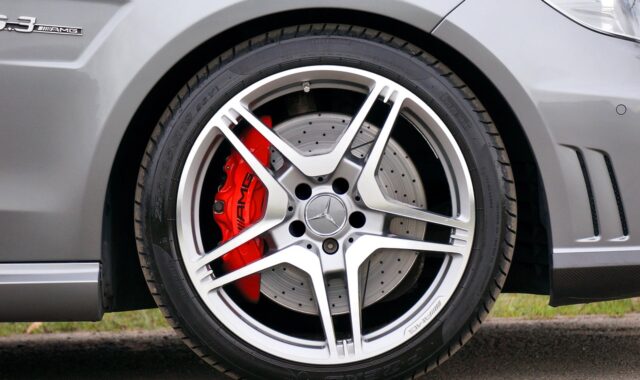
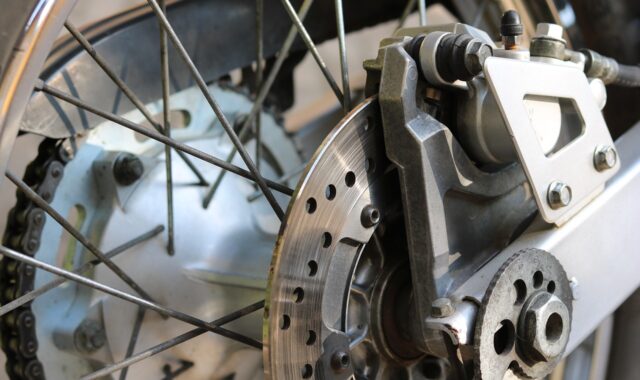
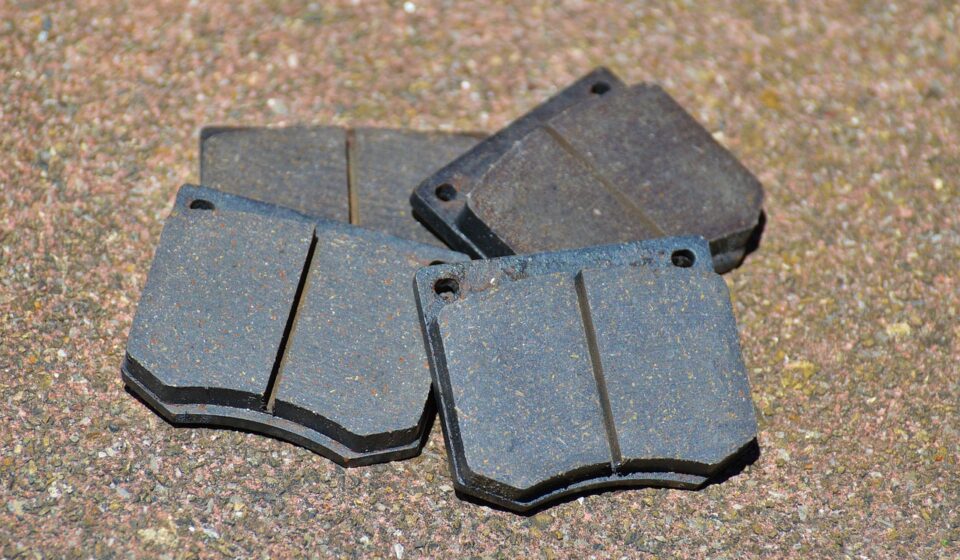
In everyday language, brake discs are often called rotors, especially in North America. Both terms refer to the same working part in a disc brake system: a metal disc fixed to the hub that rotates with the wheel. Pads sit in the caliper and press against both sides of the disc. The friction couple is therefore a matched pair. A premium pad fitted to a badly corroded disc is still a compromised repair, and a new disc paired with the wrong compound can still lead to noise, dust, or rapid wear.
How to inspect discs and pads before ordering parts
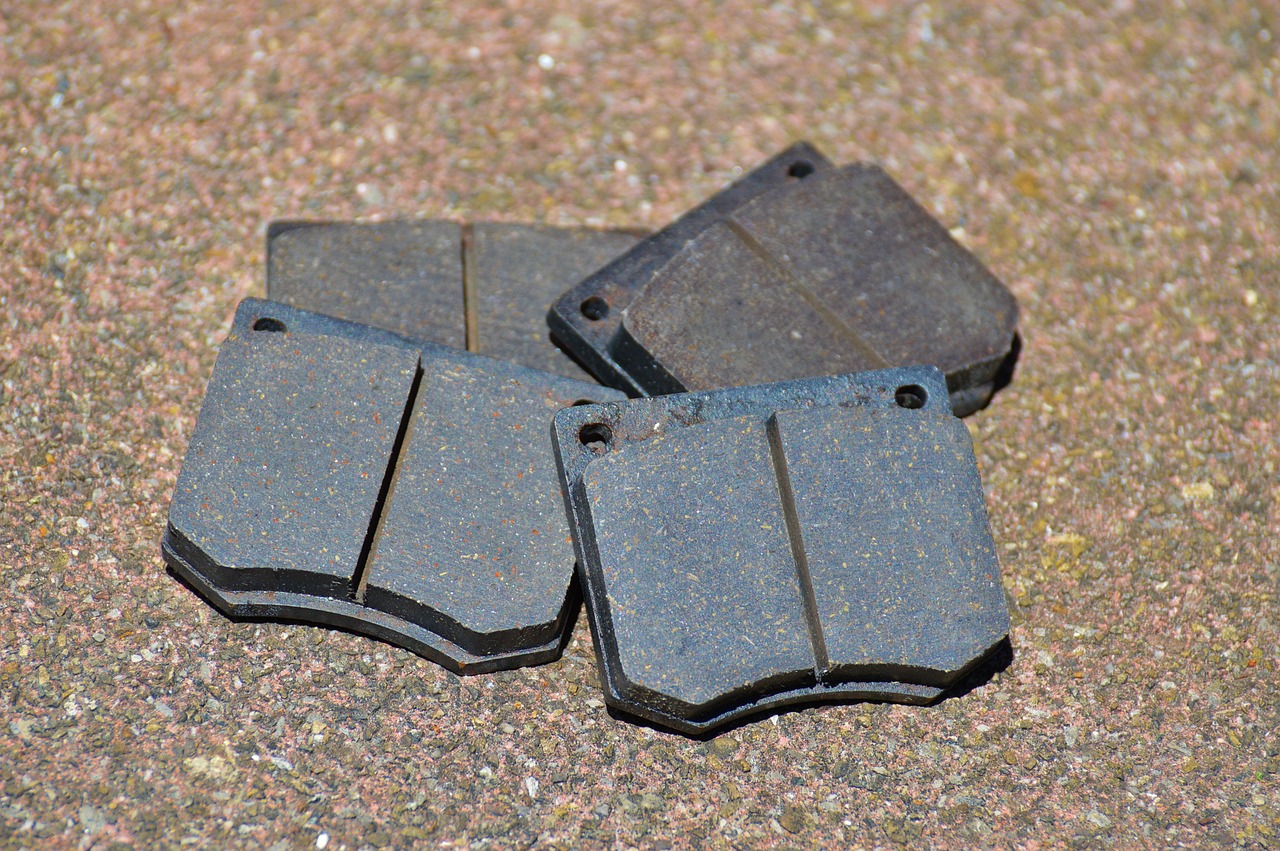
A reliable replacement decision starts with inspection, not with the catalog image. Pad thickness is the first visible check, but it is only part of the assessment. The friction material should be measured at the thinnest point, inner and outer pads should be compared, and uneven wear should be treated as a symptom rather than ignored. A seized slide pin, sticking caliper piston, damaged hardware, contaminated friction surface, or poor bedding-in can ruin new discs and pads quickly.
Disc condition needs several checks. Thickness must be compared with the minimum thickness marked on the disc or specified by the vehicle manufacturer. If machining is being considered, the final thickness after machining still has to remain above the service limit. Runout and disc thickness variation also matter, because small variations can be felt as brake judder or steering wheel shake. Surface grooves, a heavy lip at the outer edge, heat checking, blue discoloration, cracks, deep corrosion, and pad imprinting each point to different service conditions and possible repair decisions.
There is no universal mileage at which all discs and pads should be replaced. Urban delivery routes, mountain roads, towing, performance driving, road salt, long storage, and regenerative braking can all change wear patterns. For many light-duty vehicles, pads approaching roughly 3 mm of friction material are treated as urgent service items, but the exact limit should come from the vehicle maker or the local inspection rule. Discs are similar: some can accept another pad set, while others are already too thin, too rusty, or too uneven to reuse safely.
Matching pad material and disc design to the duty cycle
Pad labels such as ceramic, semi-metallic, low-metallic, and non-asbestos organic are useful starting points, but they are not complete specifications. A ceramic street pad may suit a commuter vehicle where low noise and low dust are priorities. A semi-metallic or severe-duty pad may cope better with repeated heat in towing, mountain use, or fleet service. That does not make one material automatically better than another. The right choice depends on axle load, expected temperature range, driver behavior, noise expectations, wheel-cleaning expectations, rotor wear tolerance, and local compliance needs.
Disc design also has to match the job. Plain vented discs remain common because they provide predictable contact area and heat capacity for normal driving. Coated discs can help reduce corrosion on non-swept surfaces, which is useful in wet or salty climates. Slotted or drilled designs may be suitable for some performance applications, but they should not be selected for appearance alone. They can affect noise behavior, pad wear, thermal stress, and contact area. For most road vehicles, the safest approach is to match the disc type, dimensions, ventilation direction, hub design, and axle application to the original specification unless there is a verified engineering reason to change.
| Use case | Pad priority | Disc priority | Main risk if mismatched |
|---|---|---|---|
| Daily commuting | Stable cold response, low noise, controlled dust | OE-equivalent geometry and corrosion protection | Squeal, dust complaints, uneven deposits |
| Towing or mountain routes | Heat stability and fade resistance | Correct mass, ventilation, and thickness reserve | Overheating, pedal vibration, accelerated wear |
| EV or hybrid use | Low-noise compound suited to intermittent friction braking | Corrosion resistance on swept and non-swept areas | Rust, poor contact pattern, sticking hardware |
| Fleet or commercial service | Traceable compound, consistent friction behavior | Durability, repeatable fitment, inspection-friendly wear | Downtime, axle imbalance, warranty disputes |
Standards and regulations that influence replacement choices
Brake parts are safety-critical, but the approval landscape varies by market. In the United States, the National Highway Traffic Safety Administration has stated that there is no Federal Motor Vehicle Safety Standard specifically for new brake pads as standalone parts. Federal standards regulate complete brake systems for vehicles, while aftermarket pads are still motor vehicle equipment and can be subject to defect and recall obligations. This distinction matters. A pad box may carry useful test or marking information, but that is not the same as a government approval of every repair outcome.
Industry standards help describe and compare friction materials. SAE J2522, updated in a 2023 edition, is an inertia dynamometer procedure used to evaluate brake friction material effectiveness under defined pressure, temperature, and speed conditions. SAE J866 provides a friction coefficient identification and environmental marking system for brake linings, while also warning that friction codes alone cannot reliably predict complete brake system performance. In practical terms, an edge code can help screen a material, but it cannot replace vehicle-level validation, axle matching, and service testing.
In many UNECE markets, UN Regulation No. 90 is central to replacement braking parts. It covers replacement brake lining assemblies, drum brake linings, discs, and drums for power-driven vehicles and trailers. Where R90 approval is required, buyers should confirm that the approval applies to the correct part, vehicle category, and axle application. A general claim that a brand is compliant is less useful than approval information tied to the exact disc or pad reference.
Environmental requirements are also reshaping discs and pads. The U.S. Copper-Free Brake Initiative and state-level rules such as California’s brake friction material law pushed the industry toward lower copper content. The widely used LeafMark system identifies environmental compliance levels, including the N level for materials that do not exceed 0.5 percent copper by weight. In the European Union, Euro 7 brings brake particle emissions into the broader vehicle emissions discussion. The practical effect is clear: future brake selection will increasingly consider particulate emissions, corrosion control, friction stability, and service life together, not only stopping feel.
Installation details that often decide the result
Many brake complaints blamed on parts are actually caused by system or installation problems. The hub face must be clean before a disc is fitted, because rust or debris trapped behind the disc can create lateral runout. Wheel fasteners should be tightened evenly to the specified torque pattern. Caliper slides need to move freely, abutment areas must be cleaned, and hardware should be replaced when worn or corroded. If the caliper does not release properly, even high-quality discs and pads will overheat and wear unevenly. See also: driveline systems.
Cleaning is just as important. New discs may have protective coatings or residues that must be handled according to the manufacturer’s instructions. Friction surfaces should not be touched with oily hands, and lubricants must stay away from pad and disc contact areas. Brake fluid condition, hose restriction, wheel bearing play, suspension looseness, and tire issues can also imitate brake problems, so a complete diagnosis is better than replacing only the visible parts.
Bedding-in should follow the pad manufacturer’s procedure. The goal is to establish a stable transfer layer between pad and disc without overheating the system too early. Aggressive stops on brand-new parts, holding the pedal hard after a hot stop, or mixing old contaminated discs with new pads can leave uneven deposits. Those deposits are often felt later as judder, even when the disc is not truly warped.
Selection checklist for parts buyers and workshops
Before ordering replacement discs and pads, confirm the vehicle’s exact year, model, engine, trim, axle, wheel size, brake package, and market version. Many vehicles have more than one brake size in the same model year. Disc diameter, thickness, height, bolt pattern, center bore, ventilation type, wear sensor provision, electronic parking brake setup, and pad shape all need to match. A part that almost fits is not an acceptable brake part.
- Replace pads on both sides of the same axle, not one corner at a time.
- When discs are replaced, replace them in axle pairs to maintain balanced braking.
- Check whether wear sensors, clips, shims, caliper bolts, or fitting kits are required.
- Confirm minimum disc thickness and pad wear limits from vehicle service data.
- Match the pad compound to the driver and duty cycle, not only to price.
- For regulated markets, verify R90 approval, environmental markings, or other required documentation for the exact reference.
- For EVs and hybrids, consider corrosion behavior as well as wear life because regenerative braking can reduce friction brake use.
For related technical topics in this category, see the braking and chassis section.
Frequently asked questions
Should discs and pads always be replaced together?
Not always. Pads may be replaced on reusable discs if the discs are above minimum thickness, have acceptable runout, show a suitable surface condition, and meet the vehicle maker’s service criteria. However, discs should be replaced if they are too thin, cracked, heavily scored, badly corroded, heat damaged, or causing vibration that cannot be corrected within specification.
Are ceramic pads better than semi-metallic pads?
Neither label is automatically better. Ceramic pads are often chosen for comfort, low dust, and quiet operation on many passenger vehicles. Semi-metallic compounds can offer strong heat handling and durability in demanding use, but may create more noise or rotor wear depending on the formulation. The compound should match the vehicle, axle load, climate, and driving cycle.
What causes brake judder after fitting new discs and pads?
Common causes include hub contamination, disc runout, uneven wheel torque, poor bedding, pad material deposits, sticking calipers, worn suspension parts, or disc thickness variation. True disc warping is less common than the phrase suggests. Measuring runout and thickness variation is more reliable than guessing from pedal feel alone.
Do EVs need different discs and pads?
EVs still need friction brakes for safety, emergency stops, low-speed blending, parking functions, and situations where regenerative braking is limited. Because regeneration can reduce routine pad-to-disc contact, corrosion control, caliper service, and periodic inspection become especially important. EV-specific kits often focus on quiet operation, low dust, and corrosion resistance rather than simply higher friction.
How can buyers compare brake pads beyond price?
Useful comparison points include exact fitment, compound type, friction code or test data where available, noise-control hardware, environmental marking, approval status in the target market, batch traceability, included fitting accessories, and suitability for the duty cycle. Price matters, but a low-cost pad that creates noise, rapid disc wear, or compliance problems can become expensive quickly.