How tires and brakes work together to control stopping distance
Tires and brakes are one stopping system
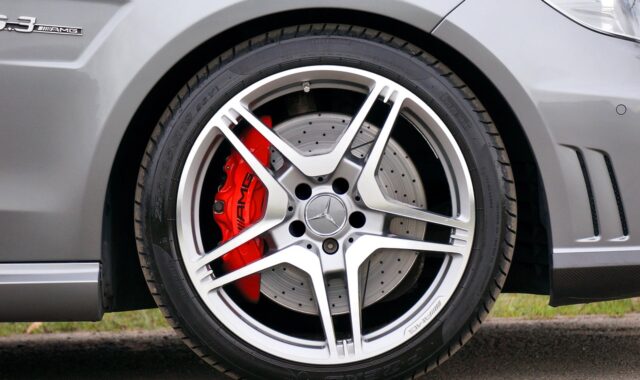
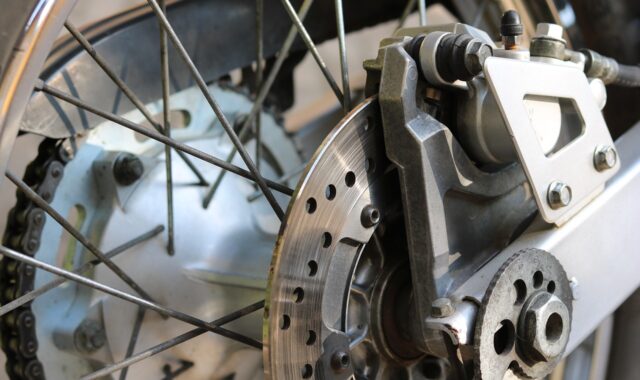
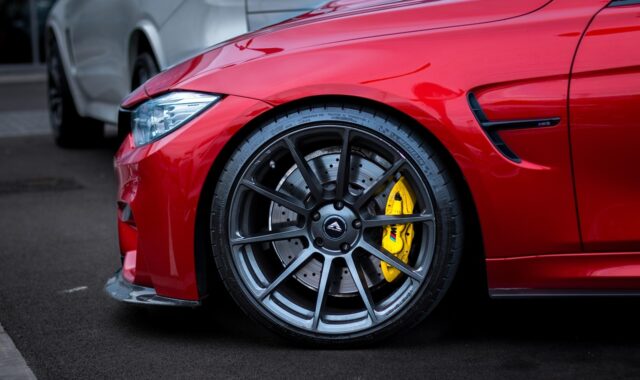
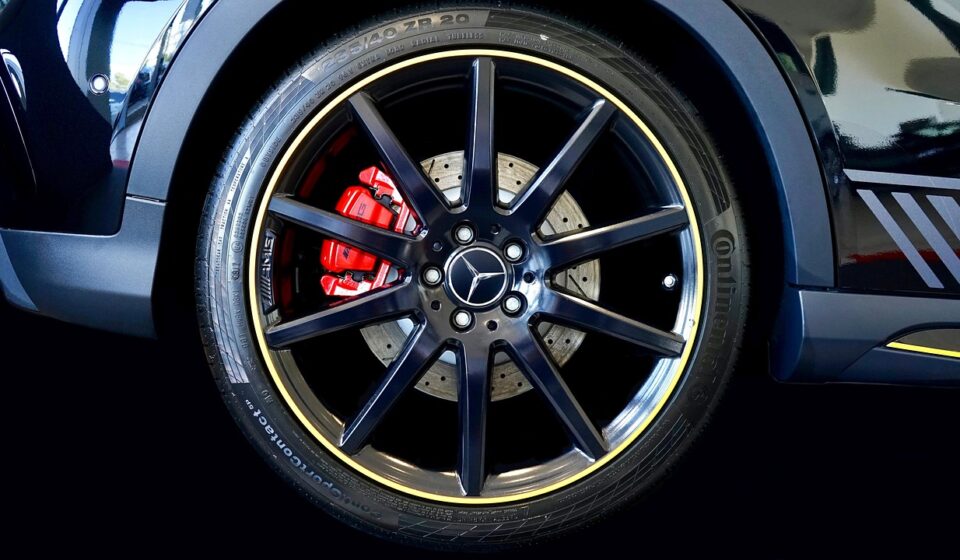
Tires and brakes work together every time a driver slows down. The brake system converts vehicle motion into heat at the pads, rotors, shoes, or drums. The tires then have to transfer that braking force to the road. If the contact patch has limited grip because of low tread, incorrect inflation, aging rubber, or poor road conditions, stronger brake components cannot fully deliver shorter stops. If the brake system is weak, contaminated, overheated, or uneven, good tires cannot make up for the loss of braking control.
For maintenance planning, the practical conclusion is straightforward: inspect tires and brakes as one chassis safety system, not as two unrelated wear items.
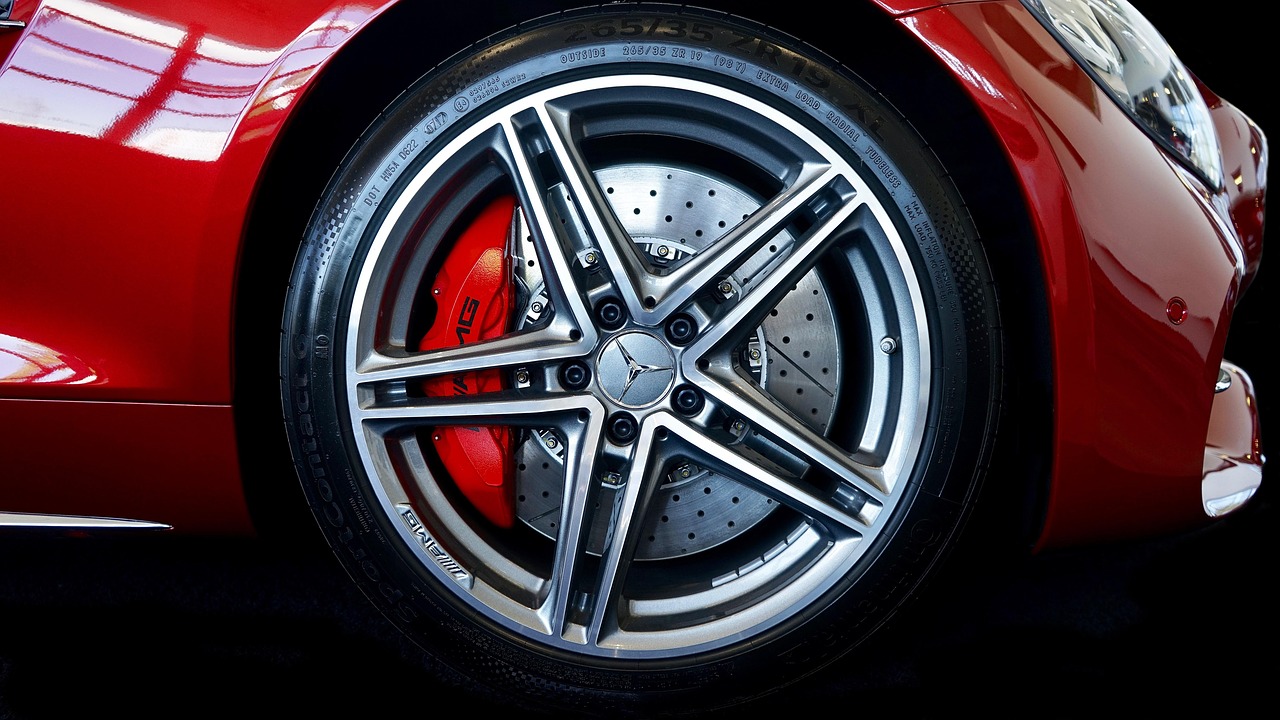
For more related technical topics, visit the braking and chassis section.
Why the tire contact patch limits braking performance
The tire contact patch is small, but it determines how much braking force becomes useful deceleration instead of sliding, skidding, or early anti-lock braking activity. During hard braking, vehicle weight shifts forward, the front tires carry more load, and available grip becomes a key limit. Anti-lock braking systems can help prevent wheel lockup, but they do not create grip that the tires do not have.
Tread depth is especially important on wet pavement. NHTSA explains that tire traction grades indicate a tire’s ability to stop on wet roads, with higher grades generally allowing shorter wet-road stopping distances than lower grades. NHTSA also advises regular inspection for treadwear, damage, proper inflation, rotation, balancing, and alignment, and notes that TPMS is not a substitute for checking tires with an accurate gauge. (nhtsa.gov)
Several tire conditions can reduce the braking performance available from an otherwise healthy brake system:
- Low tread depth reduces the tire’s ability to channel water away from the contact patch.
- Underinflation changes the tire footprint and can increase heat buildup and shoulder wear.
- Overinflation can reduce the usable contact patch and make the tire more sensitive to impacts.
- Uneven wear may point to alignment, suspension, rotation, or inflation problems.
- Aged rubber can lose flexibility even when visible tread remains.
- Mismatched tires can create different grip levels from axle to axle, especially in rain.
NHTSA recommends using the vehicle manufacturer’s cold inflation pressure from the owner’s manual or door placard, not the maximum pressure molded into the tire sidewall. It also recommends checking tires at least monthly and before long trips, inspecting for cuts, bulges, cracks, punctures, and uneven wear, and keeping tread at least 2/32 inch on all tires. (nhtsa.gov)
What brake condition changes before the tire reaches its limit
Brake components determine how consistently and evenly braking force reaches the wheels. Pads and shoes create friction. Rotors and drums absorb and dissipate heat. Calipers, wheel cylinders, hoses, master cylinders, and brake fluid transfer hydraulic pressure. When any part of this chain deteriorates, braking may still feel normal in gentle driving but become unstable under heat, repeated stops, or emergency braking.
NHTSA regulates motor vehicle safety and related equipment through Federal Motor Vehicle Safety Standards. In a brake-related interpretation, the agency noted that several FMVSSs regulate whole brake systems rather than brake pads alone, including standards for different vehicle categories. It also stated that defective aftermarket brake pads may be subject to recall provisions if they contain a safety-related defect. (nhtsa.gov) (nhtsa.gov)
The most important brake symptoms usually show up in how the vehicle feels, sounds, or tracks during stopping. A grinding noise can indicate friction material worn down to metal. Steering wheel vibration during braking can be related to rotor thickness variation or hub and suspension issues. A soft pedal may point to air in the system, fluid contamination, a hydraulic leak, or internal master cylinder problems. Pulling to one side may reflect uneven brake force, but it can also come from tire pressure differences, tire conicity, alignment, or worn suspension parts.
| Driver symptom | Possible tire-related cause | Possible brake-related cause |
|---|---|---|
| Longer stopping distance | Low tread, wrong pressure, hard aging rubber, wet-road hydroplaning | Worn pads, glazed friction material, overheated brakes, contaminated fluid |
| Vehicle pulls while braking | Uneven tire pressure, irregular wear, alignment issue | Sticking caliper, collapsed hose, uneven pad or rotor condition |
| Pedal pulsation or steering shake | Wheel imbalance, tire separation, uneven wear | Rotor thickness variation, hub runout, uneven pad deposits |
| ABS activates too easily | Low-grip tires, wet or loose surface, mismatched tires | Wheel speed sensor issue, uneven brake force, hydraulic fault |
| Burning smell after braking | Dragging caused by tire or wheel interference is possible but less common | Overheated pads, seized caliper, parking brake not releasing |
Wet roads show why tire condition matters as much as pad thickness
Wet braking is where the relationship between tires and brakes becomes easiest to see. On dry pavement, a modern braking system with acceptable tires may feel strong enough in everyday driving. In rain, the tire must clear water before it can generate stable friction. Once tread depth is reduced, the brake system may still apply torque, but the tire is less able to convert that torque into controlled deceleration.
AAA testing released on June 7, 2018 compared new all-season tires with tires worn to 4/32 inch on wet pavement. AAA reported that, at highway speeds, the worn tires increased average stopping distance by 43 percent compared with new tires, including an average increase of 87 feet for a passenger car and 86 feet for a light truck. The same release said worn tires reduced average handling ability by 33 percent for the passenger car and 28 percent for the light truck in the test. (newsroom.acg.aaa.com)
This does not mean every tire must be replaced at the same tread depth in every market or use case. It does mean the legal minimum and the safety margin may be different, particularly for vehicles used in heavy rain, higher speeds, mountainous areas, or mixed-load service. NHTSA’s general public guidance highlights 2/32 inch as a minimum tread-depth threshold, while AAA’s wet-road testing argues for more proactive replacement consideration around 4/32 inch when rain performance is a priority. (nhtsa.gov) (newsroom.acg.aaa.com)
How to decide whether tires or brakes need attention first
When a vehicle shows poor stopping performance, the first step is not to assume the pads are bad or the tires are bad. A safer approach is to separate urgent safety concerns from diagnosis. Any metal-on-metal brake noise, brake warning lamp, visible fluid leak, sinking pedal, tire bulge, exposed cords, severe sidewall damage, or rapid air loss should be treated as an immediate safety concern. The vehicle should not be driven normally until the issue is inspected.
For less obvious cases, use the operating condition to guide the first inspection: See also: driveline systems.
- The car stops well in dry weather but feels unstable in rain — start with tread depth, tire age, pressure, and tire type.
- The brake pedal feels soft, low, or slowly sinks — inspect hydraulic components, fluid condition, and possible air or leaks before focusing on tires.
- The steering wheel shakes mainly during braking — inspect rotors, hubs, wheel bearings, suspension joints, and tire uniformity together.
- The vehicle pulls only when braking — compare tire pressure and tread first, then inspect calipers, hoses, pads, and rotors side to side.
- The vehicle needs more distance in all conditions — inspect both systems, because worn tires and fading brakes can combine.
Replacement order also depends on remaining wear. A vehicle with cracked tires or tread near minimum depth should not receive only new pads and be treated as fully restored. Likewise, fitting new tires does not solve a hydraulic brake fault, seized caliper, or contaminated brake fluid. In service writing and parts planning, tires and brakes should be documented together because they often relate to the same customer complaint: reduced control during deceleration.
Maintenance practices that protect both systems
The best maintenance routine is simple, measurable, and repeatable. Tire pressure should be checked cold with a gauge. Tread should be measured across the inner, center, and outer ribs, not judged only by a quick look at the outer shoulder. Brake friction material should be inspected on both inner and outer pads, because caliper slide problems can wear one side faster than the other. Rotors should be checked for thickness, scoring, cracks, heat spotting, and excessive corrosion.
NHTSA’s tire guidance also reminds drivers that tire aging can be overlooked, especially on vehicles driven infrequently, collector cars, recreational vehicles, and spare tires. The agency notes that some vehicle and tire manufacturers recommend replacing tires after six to 10 years regardless of treadwear, and that the tire identification number can be used to determine the week and year of manufacture. (nhtsa.gov)
A practical inspection rhythm for normal passenger vehicles is:
- Monthly — check cold tire pressure, tread condition, sidewalls, and visible damage.
- Before long trips — recheck pressure, tread, spare tire condition, brake fluid level, and warning lights.
- At tire rotation — inspect pads, rotors, calipers, hoses, suspension joints, and uneven tread patterns.
- When replacing tires — check alignment, brake wear, wheel bearings, and suspension before the new tires develop the same wear pattern.
- When replacing brakes — inspect tires because new friction material cannot overcome poor road grip.
Recalls should also be part of the review. NHTSA’s recall guidance explains that recalls can cover vehicles and motor vehicle equipment, including tires, and that remedies may include repair, replacement, or refund depending on the case. The same guidance notes that tire manufacturers must repair or replace recalled tires at no cost only for tires purchased within five years of the defect or noncompliance determination, with additional timing requirements after a recall notice is received. (nhtsa.gov)
Parts selection should match the vehicle and use case
Tires and brakes are often upgraded separately, but the best results come from matching parts to the vehicle’s weight, speed, load, and driving environment. A heavier SUV, a pickup used for towing, an electric vehicle with high curb weight, and a compact commuter do not place the same demand on tires or brake friction material. Heat capacity, tire load rating, speed rating, tread pattern, compound, rotor quality, and pad formulation all matter.
For tires, the starting point is the vehicle manufacturer’s required size, load rating, speed rating, and pressure specification. From there, wet traction, treadwear expectations, rolling resistance, road noise, seasonal temperature, and load use should be balanced. For brakes, the safest starting point is a friction material and rotor specification intended for the vehicle’s gross weight and duty cycle. An aggressive pad that performs well when hot may not be ideal for a low-temperature urban commuter, while a quiet comfort pad may not be the best match for repeated mountain descents or towing.
The practical takeaway is that stopping distance is not a single-part problem. Brake pads, rotors, fluid, hoses, calipers, tire tread, pressure, compound, alignment, suspension, road surface, and driver reaction all shape the final result. Good maintenance reduces uncertainty, and matched parts help preserve the engineered balance between tire grip and braking force.
Frequently asked questions
Can new brake pads fix long stopping distance if the tires are worn?
New pads can restore lost brake friction if the old pads were worn, glazed, contaminated, or overheated. They cannot restore tire grip. If tread is low, rubber is aged, or pressure is incorrect, stopping distance may remain poor, especially on wet pavement.
Should tires or brakes be replaced first?
The most urgent safety defect should be fixed first. A hydraulic brake leak, metal-on-metal brakes, exposed tire cords, a bulging sidewall, or rapid air loss is not a routine maintenance choice. When both systems are worn but still functional, replacement priority should be based on measured tread depth, tire age, pad thickness, rotor condition, brake fluid condition, and the vehicle’s driving environment.
Does ABS make tire tread depth less important?
No. ABS helps reduce wheel lockup and maintain steering control during hard braking, but it still depends on tire-road friction. Worn, underinflated, aged, or inappropriate tires reduce the grip available for ABS to manage.
Why does my car shake when braking after new tires?
Brake shake after new tires may come from rotor thickness variation, hub runout, wheel torque issues, wheel imbalance, tire uniformity, or worn suspension parts. Because the symptoms overlap, the tires, wheels, brakes, hubs, and front-end components should be inspected together rather than replacing more parts by guesswork.