Briggs and Stratton carburetor guide for matching parts and solving fuel issues
Start with the engine number, not the old carburetor alone
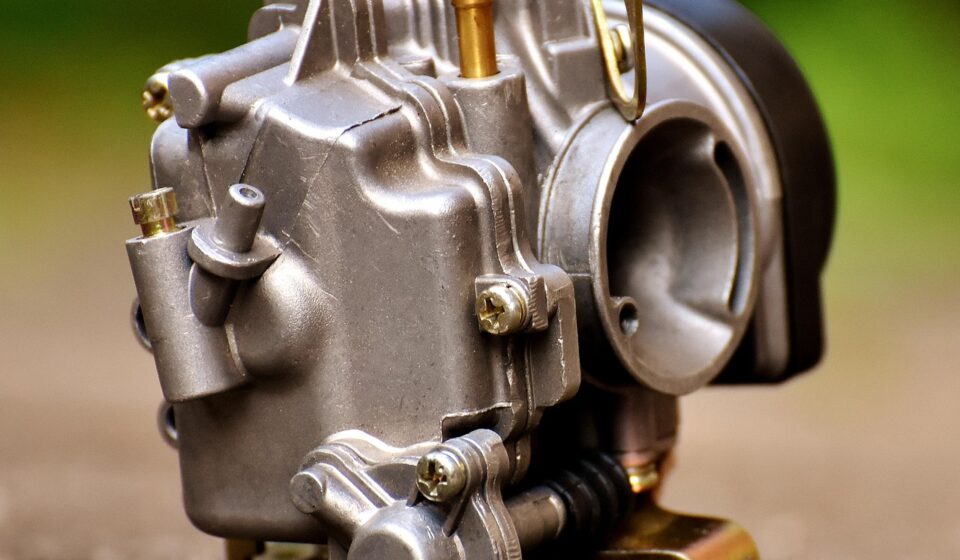
A Briggs and Stratton carburetor search usually starts for one of three reasons: the engine is hard to start, it surges or stalls, or the owner needs the correct replacement part. The most reliable first step is not to copy a number from the old carburetor body alone. Start with the engine model, type, and code from the engine data tag, then use the operator manual or illustrated parts list for that exact engine specification.
Small-engine carburetors can look nearly identical while using different jets, linkages, gaskets, choke layouts, primer systems, or fuel shutoff parts. For buyers, mechanics, and parts distributors, the practical goal is to match the carburetor to the engine configuration before deciding whether cleaning, rebuilding, or replacement is the right repair.
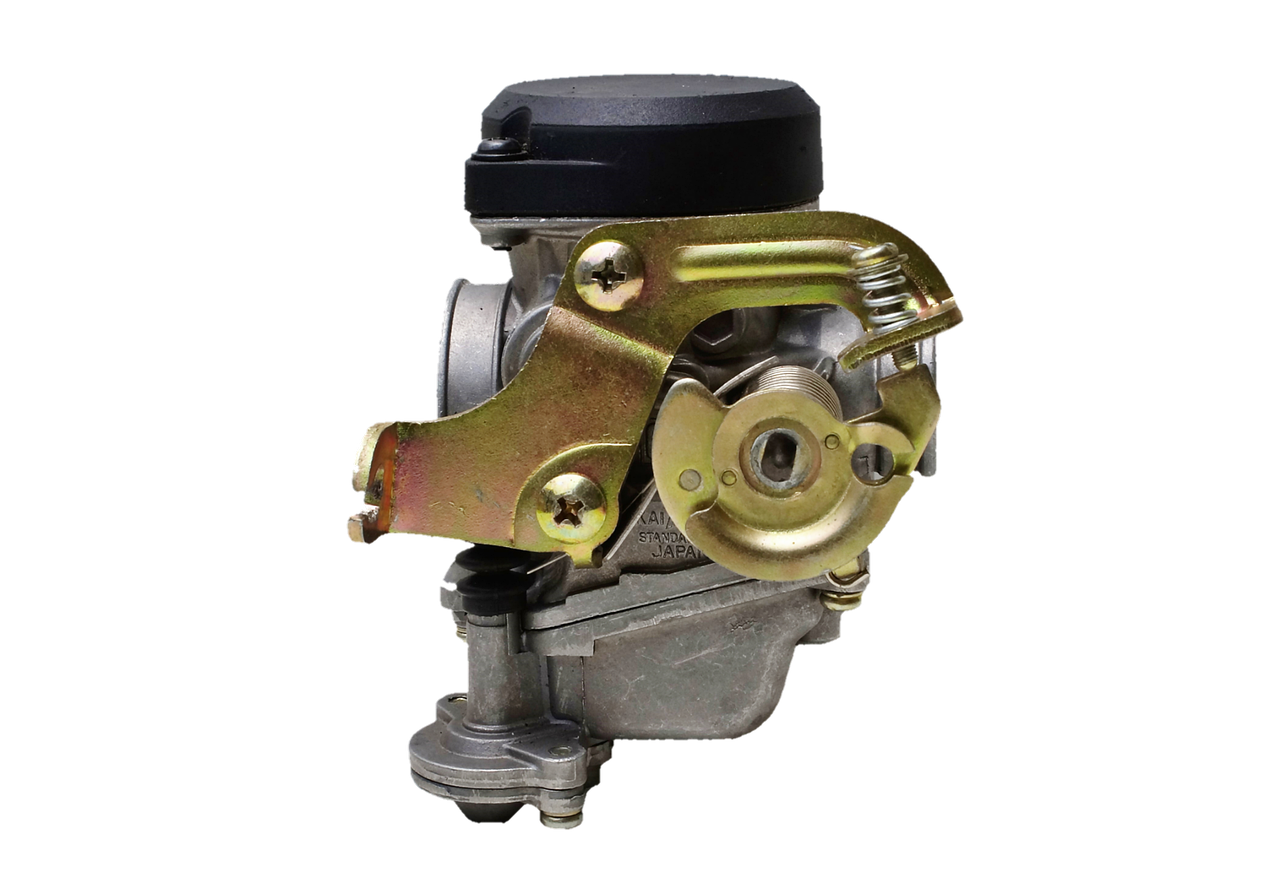
This matters because a carburetor is not just a fuel container. It meters air and fuel, responds to throttle and governor movement, and works with the air filter, fuel tank, fuel line, intake gasket, spark plug, and engine oil condition. A poor-running engine may have a carburetor fault, but the surrounding fuel and ignition basics should be checked before the carburetor is blamed.
What the carburetor does in a Briggs and Stratton small engine
In a typical spark-ignited small engine, the carburetor mixes fuel with incoming air so the engine can start, idle, accelerate, and carry load. If the mixture is too lean, the engine may hunt, surge, run only with partial choke, or stall under load. If the mixture is too rich, the engine may smoke, foul the spark plug, smell strongly of fuel, or load up at idle.
Briggs & Stratton support guidance notes that many carburetor complaints are linked to blockages from dirt, varnish, and gasoline deposits. The main fuel jet is a common restriction point, especially after old fuel has evaporated and left deposits behind. The same manufacturer guidance also notes that other maintenance issues, including stale fuel, a dirty air filter, a fouled spark plug, or deteriorated oil, can create symptoms that resemble carburetor failure.
A useful diagnostic sequence is:
- Confirm that the fuel is fresh, clean, and correct for the engine.
- Inspect the air filter before changing carburetor settings or parts.
- Check spark plug condition and gap according to the engine manual.
- Look for cracked fuel lines, loose clamps, leaking primer bulbs, or blocked tank vents.
- Only then evaluate the carburetor bowl, jets, needle, seat, float, diaphragm, gaskets, choke, and throttle shaft.
This sequence helps avoid unnecessary part replacement and reduces the risk of installing a carburetor that does not match the engine’s emissions or linkage configuration.
How to identify the correct Briggs and Stratton carburetor
The safest parts-matching method is to use the full engine identification, not just the equipment brand or mower model. A lawn mower, generator, pressure washer, tiller, or snow blower may carry the equipment maker’s label, while the engine itself carries the Briggs & Stratton identification needed for engine parts.
Manufacturer support materials commonly direct users to find the operator manual or illustrated parts list by model number. The engine number format may include model, type, and code information. For parts buyers, the important point is that a five- or six-digit engine model by itself may not be enough if multiple carburetor versions were used across production changes.
Details to compare before ordering
When the parts list gives more than one possible carburetor or kit, compare visible features before buying:
- Choke control: manual choke, auto choke, ReadyStart-style systems, and linkage-driven choke parts are not interchangeable by appearance alone.
- Primer system: some carburetors use a primer bulb and specific air cleaner base or gasket routing.
- Fuel inlet direction: the angle and position of the fuel inlet must fit the tank and fuel line routing.
- Mounting pattern and gasket stack: intake gaskets, insulators, and air cleaner gaskets can affect vacuum signals and mixture quality.
- Float bowl or diaphragm design: float-type and diaphragm-type carburetors require different repair kits.
- Fuel solenoid: some engines use an anti-afterfire solenoid at the bowl, which must match the electrical connector and application.
- Governor and throttle linkage: spring locations and lever geometry affect governed speed and stability.
The old carburetor casting number can help narrow the search, but it should be treated as supporting evidence rather than the final answer. Carburetor bodies may be supplied by different vendors, and a stamped or cast marking may not equal the complete Briggs & Stratton service part number.
Fuel choice is often the hidden cause of carburetor trouble
Fuel quality has a major effect on small carburetors because their jets and passages are narrow. Briggs & Stratton fuel guidance accepts gasoline with up to 10% ethanol for many small engines, while stating that E15 is not recommended or approved for small engines. U.S. EPA E15 materials also distinguish E15 use from nonroad equipment such as lawn mowers and chain saws, which is why pump selection matters.
The practical takeaway is simple: do not assume that a fuel approved for many highway vehicles is suitable for outdoor power equipment. For small engines, read the pump label, avoid E15 and E85 unless the engine manual specifically permits them, and buy fuel in quantities that will be used quickly. Manufacturer guidance also recommends fuel stabilizer for equipment that is not used daily, along with storage practices that circulate treated fuel through the system before the machine is put away.
Why stale fuel creates carburetor symptoms
As gasoline ages, the lighter fractions that help cold starting can evaporate, while the remaining fuel can form gum or varnish. Ethanol-blended fuel can also absorb moisture under poor storage conditions. In a Briggs & Stratton carburetor, those changes may appear as a blocked main jet, sticky float needle, restricted idle passage, or hard-start complaint after seasonal storage.
Good fuel practice is cheaper than repeated carburetor replacement. Use a clean, approved fuel container, keep dirt and water away from the tank, close containers tightly, and avoid leaving untreated fuel in equipment during long storage. For machines stored between seasons, follow the manual’s storage procedure, which may involve treated fuel, running the engine long enough to circulate stabilizer, or draining the system safely.
Clean, rebuild, or replace the carburetor
Not every poor-running engine needs a new carburetor. A better decision comes from matching the symptom to the condition of the part.
| Symptom | Check first | Likely carburetor decision |
|---|---|---|
| Hard starting after storage | Fuel age, spark plug, air filter, choke movement | Clean bowl, jet, and passages before replacing |
| Engine runs only with choke partly closed | Air leaks, restricted fuel flow, clogged main jet | Clean or rebuild if passages are restricted |
| Fuel leaking from carburetor | Float, needle, seat, bowl gasket, fuel shutoff | Rebuild with correct kit or replace if body is damaged |
| Black smoke or fuel smell | Air filter restriction, choke stuck closed, float level | Repair choke or float system before changing jets |
| Surging at governed speed | Fuel quality, intake gasket, governor spring, idle circuit | Clean idle and main circuits; verify linkage |
| Broken throttle shaft, corroded body, stripped threads | Physical inspection | Replace the carburetor rather than rebuild |
Cleaning is the first option when the carburetor is complete, the linkages move freely, and the body is not damaged. Spray carburetor cleaner and compressed air can remove deposits from accessible passages, but safety precautions are essential because fuel vapors and solvents are flammable. Always work in a ventilated area, keep ignition sources away, and follow the engine and equipment manual.
A rebuild is more appropriate when soft parts are worn but the casting is still serviceable. Typical rebuild items include bowl gaskets, diaphragms, inlet needles, seats, seals, and sometimes jets specified by the service kit. Replacement becomes more attractive when the carburetor body is heavily corroded, shafts are worn, mounting points are damaged, or a fixed-jet passage cannot be cleaned reliably.
Adjustment limits and emissions compliance
Older small-engine carburetors may have adjustable idle mixture or high-speed needle settings. Many later carburetors are factory-set to meet emissions requirements and are not intended to be modified in the field. Briggs & Stratton maintenance guidance warns against tampering with engines designed to meet EPA standards, and normal maintenance should not be confused with drilling jets, defeating stops, or substituting a different calibration.
This distinction is important for parts sellers and repairers. Replacing an air filter, spark plug, gasket, jet specified for high-altitude operation, or damaged carburetor with the correct service part is routine service. Changing the calibration outside approved specifications can increase emissions, reduce reliability, and create warranty or compliance issues.
High altitude is a special case. Briggs & Stratton fuel guidance indicates that above 5,000 feet, high-altitude adjustment may be required to remain emissions compliant and avoid performance, fuel consumption, and emissions problems. The correct approach is to consult the manual or a qualified dealer rather than guessing at jet size.
OEM, aftermarket, and warranty considerations
For a common Briggs and Stratton carburetor, buyers may find genuine OEM parts, branded service kits, and lower-cost aftermarket replacements. The legal and technical issues are different. The U.S. Federal Trade Commission’s consumer warranty guidance says a manufacturer generally cannot require a consumer to use specific parts or services to keep warranty coverage unless those parts or services are provided free or the manufacturer has an FTC waiver. That does not mean every aftermarket carburetor is a good technical match, and it does not protect damage caused by an unsuitable part, incorrect installation, contaminated fuel, or misuse.
From an engineering and parts-management viewpoint, exact fit is more important than the label alone. An aftermarket carburetor should match the engine model, linkage layout, gasket surfaces, fuel inlet, choke system, emissions-related configuration, and solenoid requirements. If any of those details are uncertain, an OEM part or an illustrated parts list cross-check may save labor and rework.
For distributors, the risk is returns. A carburetor that physically bolts on but uses the wrong choke shaft or governor spring position can create a no-start or overspeed complaint. For repair shops, the risk is diagnostic time. A cheap carburetor can become expensive if it masks the original problem, such as a blocked fuel cap vent, old fuel, cracked intake gasket, or weak ignition.
A practical workflow for buyers and technicians
Use this workflow before ordering or installing a replacement:
- Record the engine model, type, and code from the Briggs & Stratton data tag.
- Find the correct operator manual or illustrated parts list for that exact engine specification.
- Compare the listed carburetor and kit options with the old unit’s choke, primer, fuel inlet, bowl, solenoid, and linkage features.
- Inspect the fuel tank, fuel line, filter screen if fitted, air filter, spark plug, and intake gasket before blaming the carburetor.
- If deposits are visible but the body is sound, clean the carburetor and retest with fresh fuel.
- If seals, float needle, diaphragm, or bowl gasket are worn, use the correct rebuild kit.
- If the casting is damaged, passages are blocked beyond cleaning, or linkages cannot be matched safely, replace the complete carburetor.
This method is slower than ordering by photo, but it is more reliable. It also helps separate carburetor faults from broader fuel-system and maintenance problems, which is especially useful for seasonal equipment that may sit unused for months.
For more industry notes on engine components and thermal-system maintenance topics, visit Sifangdi automotive parts coverage.
Frequently asked questions
Can I replace a Briggs and Stratton carburetor without the engine model number?
It is possible to compare by appearance, but it is not recommended. Similar carburetors may use different jets, choke controls, primer passages, or linkage geometry. The engine model, type, and code provide a much safer path to the correct part.
Why does my Briggs and Stratton engine run only with the choke on?
Running only with the choke partly closed often points to a lean condition. Common causes include a clogged main jet, restricted fuel flow, an air leak, a dirty carburetor passage, or stale fuel. Check the fuel and air intake basics before replacing the carburetor.
Can I adjust the carburetor mixture screws?
Only some older carburetors have adjustable mixture screws. Many emissions-regulated carburetors are factory-set and should not be modified. If the engine has a fixed-jet design, cleaning, correct parts replacement, or approved service procedures are safer than adjustment attempts.
Is E10 fuel acceptable for Briggs and Stratton small engines?
Briggs & Stratton fuel guidance accepts gasoline with up to 10% ethanol for many small engines, but E15 and E85 should not be used unless the engine manual specifically allows them. Always read the fuel pump label before filling small-engine equipment.
Should I buy OEM or aftermarket?
OEM parts reduce matching uncertainty, while aftermarket parts may be acceptable when they precisely match the engine specification. The key is not price alone; the replacement must match the carburetor design, linkage, gaskets, fuel inlet, and emissions-related configuration.