K and N cold air intake explained for performance, fitment, and emissions compliance
What a K and N cold air intake is meant to do
A K and N cold air intake is an aftermarket engine airflow system that replaces selected parts of the factory intake path with a higher-flow filter, intake tube, heat shield, or enclosed air box. The aim is to reduce intake restriction, control inlet air temperature where the design allows, and let the engine draw air with less resistance.
For many buyers, the most visible changes are a stronger intake sound, cleaner engine-bay packaging, and a documented performance gain when the kit has been tested for that specific vehicle. It is not a universal horsepower fix. Results depend on the engine, the factory intake design, sensor location, heat management, installation quality, and whether the part is legal for road use where the vehicle is operated.

That distinction matters because the search intent behind “k and n cold air intake” is usually practical. Drivers and parts buyers want to know whether the kit fits, whether it adds power, whether it needs a tune, and whether it will pass emissions inspection. This article focuses on those decision points.
How the system changes airflow
An internal-combustion engine operates as an air pump. It draws in air, mixes it with fuel, burns the mixture, and expels exhaust. A factory intake is engineered around several targets at the same time, including emissions certification, water control, filtration, manufacturing cost, service access, noise control, and drivability. An aftermarket intake usually gives more priority to flow capacity, intake sound, and packaging.
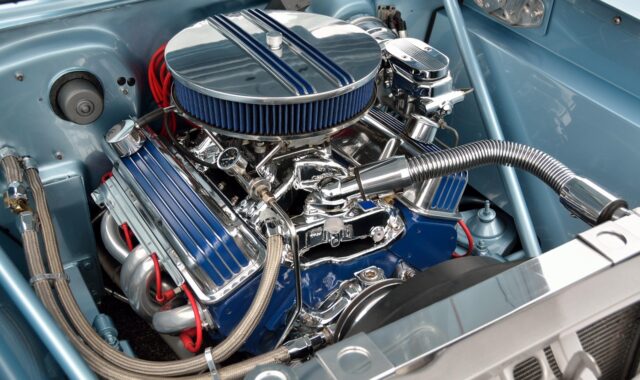
A typical K and N cold air intake system may include a large conical or panel-style filter, a smoother intake tube, mounting hardware, clamps, a heat shield, and fittings for factory sensors or breather connections. Some kits use an open heat shield around the filter, while others use an enclosed or semi-enclosed air box. The design is vehicle-specific because modern engines rely on accurate airflow measurement through mass airflow, manifold pressure, temperature, and oxygen-sensor feedback.
Airflow is only one part of the equation
More airflow capacity does not automatically translate into more usable engine power. If the original intake already meets the engine’s airflow demand with little restriction, the gain may be modest. If the factory intake is restrictive, a well-designed replacement can reduce pressure drop and help the engine make more power at high load. The most useful performance evidence is a part-number-specific dynamometer chart, not a broad brand-level claim.
Cooler air helps, but heat control is design-dependent
The phrase “cold air intake” can be misleading if it implies that every kit always delivers colder air than the stock system. Air density improves when inlet temperature drops, but under-hood heat can work against an open-filter layout. A heat shield, sealed air box, or duct that pulls from a cooler area can help. The actual result depends on vehicle packaging and driving conditions. A kit that performs well on a dyno with the hood open may behave differently in slow traffic if it draws hot under-hood air.
How to read K and N performance claims
K and N’s current product information describes several intake families with estimated power gains. It also states that horsepower gains are based on specific or similar vehicle dynamometer testing and that results vary. That wording is important. The claim should be read as application-dependent, not as a fixed gain for every engine.
For an industry reader or a buyer comparing intake systems, the better question is not simply “How much horsepower does it add?” It is “What did this exact kit show on this exact vehicle, under what test conditions, and does that match my vehicle configuration?”
| Claim or feature | How to interpret it | What to verify before buying |
|---|---|---|
| Estimated horsepower gain | A manufacturer-stated result based on dyno testing for a specific or similar application | Look for a dyno chart tied to the exact part number and vehicle |
| No tune required | The kit is intended to work with the factory calibration | Confirm the product page and installation instructions for your engine |
| Improved engine sound | Less intake silencing can make acceleration sound more aggressive | Consider cabin noise expectations for daily driving |
| Washable filter | The filter can be serviced rather than replaced at every interval | Use the correct cleaning and oiling procedure if the filter is oiled |
| CARB EO or emissions document | A compliance marker for specific vehicles and jurisdictions | Verify the EO, SEMA Certified-Emissions status, or manufacturer documentation for the exact application |
Manufacturer data is useful, but it should be treated as product-specific evidence rather than a universal performance guarantee. Independent testing can add context when it uses controlled conditions, repeatable methods, and the same vehicle before and after installation. Casual road impressions are less reliable because temperature, tire condition, ECU adaptation, fuel quality, and driver expectation can all affect perceived performance.
Fitment is more important than brand recognition
A cold air intake is not a generic pipe-and-filter upgrade. Fitment affects sensor accuracy, emissions readiness, vibration resistance, hood clearance, and long-term reliability. A kit may physically bolt into place, but if it changes the airflow pattern across a mass airflow sensor, it can contribute to unstable fueling, check-engine lights, or drivability complaints. That is why reputable intake systems are usually sold by year, make, model, engine, and sometimes transmission or emissions family.
Before buying, confirm these details:
- The exact model year, engine code, and trim covered by the part number
- Whether the vehicle uses a mass airflow sensor, speed-density strategy, or a combined sensor arrangement
- Whether all factory vacuum, crankcase ventilation, and sensor connections are retained
- Whether the kit includes a heat shield, enclosed air box, or ducting strategy suitable for the vehicle
- Whether the intake is approved for street use in the state or country where the vehicle is operated
- Whether the product documentation includes installation steps, torque guidance, and service instructions
For professional installers, fitment should also include a post-install inspection. Check that clamps are tight, wiring is not stretched, the filter does not contact hot or moving parts, and the intake tube is not rubbing against the body or engine. A small installation error can turn a well-designed intake into a source of unmetered air, rattles, or sensor faults.
Emissions compliance changed in 2026, but California still matters
Air intake systems can be emissions-related because they may affect the certified configuration of the engine’s air management system. In the United States, the EPA’s tampering policy has long focused on whether aftermarket parts bypass, defeat, or render inoperative emissions-related elements of design. The policy also recognizes the idea of a documented “reasonable basis” for concluding that a modification will not adversely affect emissions.
On July 1, 2026, the EPA announced recognition of SEMA’s Certified-Emissions program as an alternative pathway for aftermarket parts manufacturers to demonstrate federal emissions compliance. SEMA’s explanation of the announcement says the program can support a documented reasonable basis under EPA policy for 49-state federal compliance. For the aftermarket, this is an important development because it may reduce reliance on a single certification route for many federally regulated parts.
However, the 2026 development does not remove California’s separate requirements. For applicable street-use parts in California, the California Air Resources Board Executive Order process remains central. A CARB EO is tied to specific part numbers and vehicle applications, and inspection stations can use EO information to verify whether an aftermarket part is allowed. SEMA has also stated that its federal Certified-Emissions pathway is not a substitute for a CARB EO in California.
The practical takeaway is straightforward: do not assume an intake is legal everywhere because it is sold online, listed for your vehicle, or labeled for performance use. Verify the exact compliance status for the exact part number. If a vehicle is registered in California or another jurisdiction with strict inspection rules, the absence of a required EO decal or documentation can become a problem even if the vehicle runs correctly.
This compliance point is especially relevant for engine and thermal system coverage on sifangdi.com, because air management parts sit at the intersection of performance, emissions, calibration, and serviceability.
Daily driving benefits and limits
For a daily-driven vehicle, a K and N cold air intake should be evaluated differently from a track-only modification. The driver may value sound, throttle feel, and serviceable filtration, but the vehicle still needs reliable cold starts, stable idle, emissions readiness, and predictable operation in rain, dust, heat, and traffic.
The most common daily-use benefit is intake sound. Factory air boxes often include resonators and baffles to reduce noise. Removing or reducing those components can make acceleration sound more direct, especially under wide-open throttle. Some drivers read that as improved response even when the measured power gain is small. That does not make the upgrade meaningless; it means part of the value is experiential.
Fuel economy claims should be treated carefully. In theory, reducing intake restriction can improve efficiency in limited operating conditions. In practice, any benefit may be offset if the driver uses the added sound as a reason to accelerate harder. For modern vehicles with closed-loop fuel control, the engine management system is already adjusting fuel delivery based on sensor feedback, so large fuel-economy gains should not be expected from an intake alone.
Water exposure is another practical limit. Some cold air intake designs place the filter lower in the vehicle to access cooler air. That can increase exposure to water if the vehicle is driven through deep puddles or flooded roads. Not every K and N intake is a low-mounted design, but buyers should understand where the filter sits and how the vehicle is used. For trucks, SUVs, and commuter cars in wet climates, intake placement can matter more than peak dyno numbers.
Maintenance and service considerations
A washable performance filter can be a long-term convenience, but only if it is serviced correctly. Cleaning too aggressively, using the wrong chemicals, or over-oiling an oiled filter can create problems. On vehicles with sensitive airflow sensors, excessive oil or debris near the sensor area may contribute to drivability issues. The safest approach is to follow the filter manufacturer’s service interval, cleaning method, drying time, and oiling instructions rather than improvising.
Regular inspections should include more than the filter element. Check the intake tube for cracks, the couplers for hardening, the clamps for loosening, and the heat shield or air box for secure mounting. Also inspect any crankcase ventilation or breather connections that were transferred from the factory system. An air leak after the airflow meter can cause lean operation, idle instability, or diagnostic trouble codes.
For shops and distributors, documentation should be part of the service package. Keep the installation instructions, part number, emissions label, and any compliance certificate with the vehicle file. If the vehicle is later inspected, sold, or serviced by another shop, the documentation can prevent confusion about whether the part is approved for that application.
K and N cold air intake vs stock intake
The stock intake is not automatically inferior. Automakers spend significant engineering time balancing airflow, filtration, water separation, intake noise, packaging, emissions certification, and warranty durability. On some late-model vehicles, the factory air box already draws cool air from a well-designed duct and may support stock power levels with little restriction. In those cases, the aftermarket gain may be modest unless other engine upgrades increase airflow demand.
A K and N cold air intake makes the most sense when it offers verified fitment, documented performance testing, an acceptable sound level, serviceable filtration, and the right emissions status. It may be less attractive if the vehicle is under a strict inspection regime, if the factory intake is already efficient, or if the owner expects large gains without supporting modifications.
For naturally aspirated engines, the benefit often appears at higher rpm and higher load, where airflow demand is greatest. For turbocharged engines, the relationship can be more complex because the turbocharger, intercooler, compressor inlet, ECU torque targets, and boost control strategy all influence final output. In both cases, the intake should be considered one part of an airflow system rather than an isolated power adder.
Frequently asked questions
Will a K and N cold air intake add horsepower?
It can add horsepower on some vehicles, but the amount depends on the exact kit, engine, factory intake restriction, and test conditions. The most reliable evidence is a dyno chart or test data tied to the specific part number and vehicle application.
Does a K and N cold air intake need a tune?
Many K and N intake systems are designed to work with the factory tune, but buyers should verify the documentation for the exact part number. If a vehicle already has engine software changes, forced-induction upgrades, or other airflow modifications, the calibration question should be reviewed more carefully.
Is a K and N cold air intake legal in California?
Only if the specific intake and vehicle application have the required California Air Resources Board Executive Order or other applicable approval. A general product listing is not enough. The EO number and application coverage should match the vehicle.
Can a cold air intake improve fuel economy?
It may help in limited conditions, but drivers should not expect large fuel-economy gains from an intake alone. Driving style, vehicle load, tire pressure, traffic, ambient temperature, and ECU strategy usually have a larger effect on real-world fuel use.
Is an aftermarket intake safe for a daily driver?
A properly designed, correctly installed, emissions-compliant intake can be suitable for daily use. The key is to choose the correct vehicle-specific kit, maintain the filter properly, avoid water exposure beyond the design limits, and inspect clamps and connections periodically.
Bottom line
A K and N cold air intake is best understood as a vehicle-specific airflow and sound upgrade, not a one-size-fits-all performance solution. It can deliver measurable gains where the factory intake is a restriction, and it may improve the driving experience through a stronger intake note and serviceable filter design. The strongest buying case comes when the exact part number has credible test data, clear installation instructions, and the correct emissions documentation.
The weakest buying case is based only on brand familiarity or a broad horsepower claim. In 2026, emissions compliance deserves particular attention because the EPA’s recognition of SEMA Certified-Emissions added a federal pathway for many aftermarket products, while California still requires its own EO process for applicable parts. For buyers, installers, and parts professionals, the practical rule is simple: verify fitment, verify documentation, and judge performance claims by application-specific evidence.