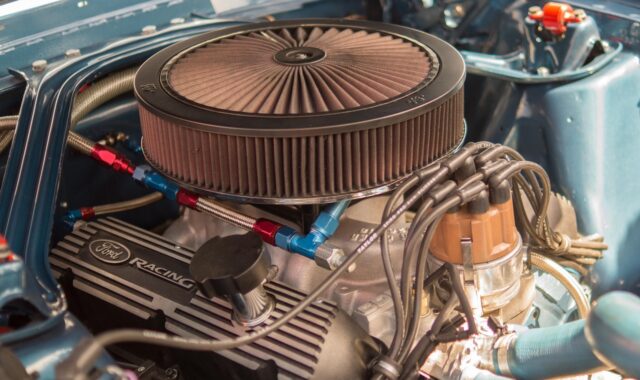
A1 auto parts buying guide for diagnostics, fitment, and used components
Why an a1 auto parts search should start with diagnosis
Searching for a1 auto parts usually means the buyer is close to ordering a replacement component, often from a local parts store, recycler, or online used-parts seller. The risk is that speed takes priority over verification. For workshops, the safer workflow is simple: diagnose first, identify the exact part second, and compare suppliers third. A low price does not help if the part does not match the VIN, emissions calibration, drivetrain, trim level, connector type, or control-module software.
Before buying, confirm the customer complaint, scan the vehicle, preserve diagnostic trouble codes, inspect the failed system, match the part number or interchange data, and document the supplier’s return and warranty terms. This matters because many businesses use similar A1, A-1, or 1A-style names, and they may not follow the same inventory, grading, or warranty practices.
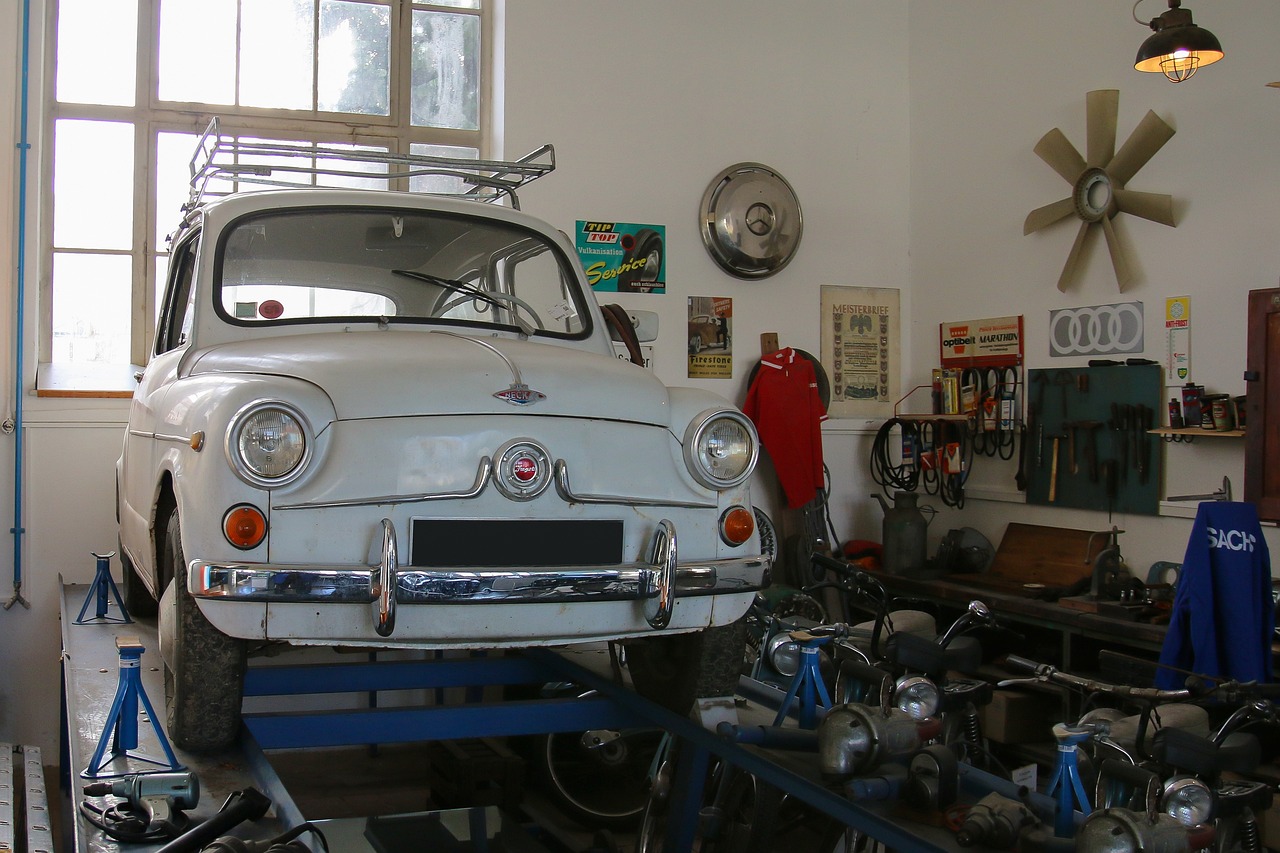
This guide is intended for repair professionals, parts buyers, and informed vehicle owners who need a sourcing checklist rather than a promotion for one store. For related repair workflow topics, visit our workshop diagnostics section.
What the search term really tells you
The phrase “a1 auto parts” is broad. It can refer to a local used-parts yard, a regional recycler, a general auto parts retailer, or a shopper’s shorthand for “A-1 quality auto parts.” That makes the search intent mixed. Some users want a specific store; others want a replacement part at a lower cost. In a workshop or trade-content context, the safest interpretation is not to assume one national brand. Treat the query as a parts-sourcing moment where the buyer needs to check fitment, condition, diagnostic certainty, and purchase risk.
Used components and new aftermarket parts also solve different problems. A recycled door, mirror, wheel, transmission, engine control module, or rear axle assembly may be suitable when price and availability are the main constraints. A new aftermarket sensor, maintenance part, brake component, or cooling-system part may be a better choice when wear, contamination, or hidden damage is a concern. A remanufactured alternator, starter, steering rack, compressor, or transmission may sit between those options because the core has been rebuilt to a defined process rather than simply removed from a donor vehicle.
Diagnosis before ordering prevents expensive wrong-part returns
Modern vehicles can make parts ordering look easier than it is. A scan tool may display a diagnostic trouble code, but the code does not always identify the failed component. The U.S. Environmental Protection Agency describes OBD as a monitoring and fault-detection process for the powertrain and emissions system on 1996 and newer model-year vehicles; when a fault is detected, the system can illuminate the malfunction indicator light and store diagnostic data. That information is a starting point, not a complete diagnosis. (epa.gov)
Separate the symptom from the failed part
A lean code might be caused by unmetered air, low fuel pressure, an exhaust leak, a contaminated sensor, or a wiring issue. A misfire code might point to ignition, fuel delivery, compression, air intake, engine timing, or software strategy. A transmission solenoid code might involve the solenoid, harness, valve body, fluid condition, battery voltage, or module command. Ordering the most obvious part before testing the circuit can turn a repair into a return, a comeback, or a lost diagnostic fee.
Preserve data before clearing codes
Before ordering from any A1 auto parts-style supplier, record the VIN, mileage, all stored and pending codes, freeze-frame data, live data readings related to the fault, and the customer complaint details. If the vehicle recently failed an emissions inspection or has readiness-monitor issues, avoid clearing codes until the diagnostic path is understood. Some state inspection programs warn that clearing codes can reset readiness information and delay confirmation that the repair was effective.
Check recalls when the symptom may be safety-related
If the problem involves airbags, seat belts, steering, braking, fuel leakage, fire risk, stalling, exterior lighting, tires, or driver-assistance features, check for open recalls before buying parts. NHTSA explains that a safety recall is issued when a manufacturer or the agency determines that a vehicle, equipment, tire, or car seat creates an unreasonable safety risk or does not meet minimum safety standards; its VIN lookup can show whether a specific vehicle has an unrepaired recall. (nhtsa.gov)
Fitment is more than year, make, and model
A common parts-buying mistake is assuming that year, make, and model are enough. They are only the first filter. Engines, transmissions, emissions packages, production dates, axle ratios, wheelbases, body styles, trim levels, option codes, and market regions can change the correct part. Even two vehicles with the same badge can use different connectors, brackets, software, sensors, or calibration-dependent components.
In the professional aftermarket, fitment and product information are increasingly structured through data standards. The Auto Care Association announced ACES 5.0 and PIES 8.0 on April 2, 2026, describing them as standardized, machine-readable methods for exchanging fitment and product information across the aftermarket. Better catalog data can reduce wrong orders, but it does not replace physical verification when the part is used, superseded, damaged, or modified. (autocare.org)
| Verification point | Why it matters before ordering | What to document |
|---|---|---|
| VIN | Connects the vehicle to engine, body, restraint, drivetrain, and production data. | Full 17-character VIN and build date if available. |
| OE part number | Helps separate similar-looking parts with different internal specifications. | Number from the original part, catalog, or service information. |
| Connector and pin count | Prevents electrical mismatch on sensors, modules, lamps, switches, and actuators. | Photos of connectors, terminals, and wire colors when relevant. |
| Mounting points | Used body, suspension, exhaust, and cooling parts may vary by trim or package. | Bracket style, bolt pattern, orientation, and visible damage. |
| Calibration or programming need | Some modules, cameras, sensors, and mechatronic units may require setup after installation. | Service procedure, scan-tool capability, and immobilizer or ADAS requirements. |
| Condition grade | Used parts can vary widely even when the interchange number is correct. | Mileage, donor vehicle condition, damage codes, photos, and warranty period. |
Choosing between new, aftermarket, remanufactured, and recycled parts
There is no single best part type for every repair. A workshop should choose based on the failure mode, labor exposure, customer budget, safety implications, and how difficult the part is to replace. A low-cost used component can be sensible for a bolt-on body panel. The same approach may be risky for a labor-intensive internal engine repair if the supplier cannot confirm mileage, compression, oil contamination, storage history, or warranty coverage.
| Part type | Where it often fits | Main limitation |
|---|---|---|
| New OE part | Safety systems, emissions-critical parts, complex electronics, and warranty-sensitive repairs. | Higher price and possible backorders. |
| New aftermarket part | Maintenance, cooling, braking, suspension, filters, lighting, and many mechanical repairs. | Quality can vary by brand, line, and application data accuracy. |
| Remanufactured part | Alternators, starters, steering gears, compressors, engines, transmissions, and some electronics. | Core quality, rebuild process, and supplier testing standards matter. |
| Recycled used part | Body panels, interior parts, glass, wheels, mirrors, assemblies, and discontinued components. | Condition, hidden damage, mileage, corrosion, and return rules must be checked. |
Warranty questions are often misunderstood. The Federal Trade Commission says a dealer cannot deny warranty coverage simply because routine maintenance or repairs were performed somewhere else, and it also explains that using aftermarket or recycled parts does not automatically void a vehicle warranty. However, if an aftermarket or recycled part causes damage, coverage for that related damage may be denied. (consumer.ftc.gov) See also: braking and chassis.
Questions to ask any A1 auto parts-style supplier
When a supplier uses a local or generic-sounding name, the buyer needs to verify the actual business, inventory, and policy before payment. This is especially important for engines, transmissions, modules, high-value body panels, airbags, ADAS sensors, hybrid components, and parts shipped across state lines.
- Is the part new, used, remanufactured, rebuilt, refurbished, or aftermarket? These terms are not interchangeable.
- What vehicle did the used part come from? Ask for donor VIN, mileage, build date, and damage location when available.
- Is the photographed part the exact part being sold? Stock photos can hide connector, bracket, corrosion, or impact differences.
- What is included? Assemblies may exclude sensors, brackets, trim, wiring, modules, bulbs, hardware, gaskets, or programming.
- What is the warranty period? Clarify whether labor is covered, whether fluids and seals are required, and what voids coverage.
- What is the return process? Confirm restocking fees, shipping responsibility, time limits, and whether electrical parts are returnable.
- How is condition graded? For recycled parts, ask for damage codes, photos, storage method, and inspection notes.
- Will the part require programming, calibration, relearn, or initialization? A correct physical part can still fail to operate without setup.
Diagnostic parts sourcing workflow for workshops
A disciplined workflow keeps the repair conversation professional and protects both the shop and the customer. It also helps the service advisor explain why an estimate may include diagnostic time, scan-tool operations, programming, fluids, seals, or post-repair calibration in addition to the part itself.
- Confirm the complaint. Reproduce the symptom when safe and document the operating conditions.
- Scan all relevant modules. Do not rely only on a generic powertrain scan when the system involves body, chassis, restraint, ADAS, or network communication modules.
- Inspect before quoting. Look for collision damage, corrosion, leaks, aftermarket wiring, missing grounds, rodent damage, fluid contamination, and previous repairs.
- Identify the part precisely. Use VIN, OE number, interchange data, dimensions, connector details, and photos.
- Compare supply options. Evaluate new, aftermarket, remanufactured, and recycled choices based on labor risk and customer priorities.
- Confirm installation requirements. Check whether the repair needs programming, calibration, relearn, coding, adaptation, torque-to-yield hardware, or one-time-use seals.
- Document authorization. Put the selected part type, warranty, exclusions, and diagnostic basis in the estimate.
- Verify the repair. After installation, clear codes only when appropriate, perform the required drive cycle or functional test, and document final scan results.
Where the aftermarket is moving in 2026
The aftermarket is large, data-driven, and still highly dependent on accurate fitment information. MEMA Aftermarket Suppliers’ 2026 forecast materials point to a U.S. aftermarket expected to reach $457 billion in 2026 despite uncertainty around tariffs and broader market conditions. For repair shops, that growth does not remove the everyday friction of wrong parts, delayed shipments, incomplete catalog data, or uncertain used-part condition. It makes process discipline more important. (mema.org)
The practical trend is clear: parts sourcing is becoming less about finding the cheapest listing and more about matching vehicle data, diagnostic evidence, supplier reliability, and post-installation requirements. Shops that build this into their estimating process can reduce returns, protect gross margin, and give customers a clearer explanation of why two parts with similar names may not deliver the same repair outcome.
Frequently asked questions
Is A1 auto parts one national company?
Not necessarily. Similar names such as A1 Auto Parts, A-1 Auto Parts, and 1A-style names can appear in different markets and may refer to unrelated businesses. Always verify the exact seller, location, website, phone number, inventory policy, and warranty terms before ordering.
Can a used auto part be a good choice for a professional repair?
Yes, when the part is correctly identified, inspected, and matched to the repair goal. Used body panels, trim, mirrors, wheels, and discontinued parts can be practical choices. Higher-risk items such as engines, transmissions, modules, and safety-related components require deeper verification.
Does an aftermarket or recycled part void the vehicle warranty?
Not automatically. FTC consumer guidance says warranty coverage cannot be denied simply because aftermarket or recycled parts were used. The key limitation is causation: if that part causes damage, the related repair may not be covered.
What information should I have before calling a parts supplier?
Prepare the VIN, mileage, build date, OE part number if visible, photos of the failed part, connector details, diagnostic codes, symptom notes, and any relevant service information. The more precise the information, the lower the risk of a wrong order.
Why did the replacement part fit physically but still not work?
Possible reasons include software incompatibility, missing programming, immobilizer pairing, ADAS calibration, wrong sub-variant, damaged wiring, an unresolved root cause, or a part that was sold as compatible but differs internally. Physical fitment is only one layer of compatibility.