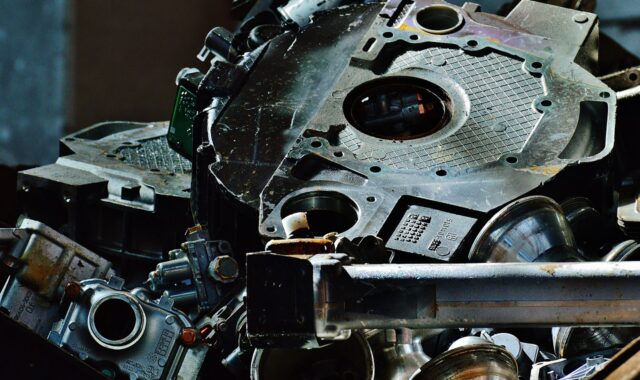
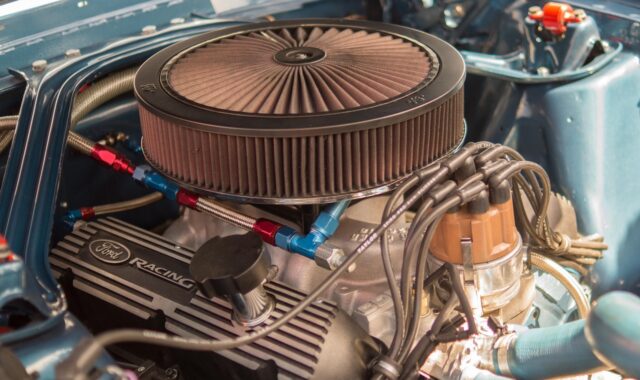
How to find scrap yard car parts near me without buying the wrong part
Start with fitment, not the yard name
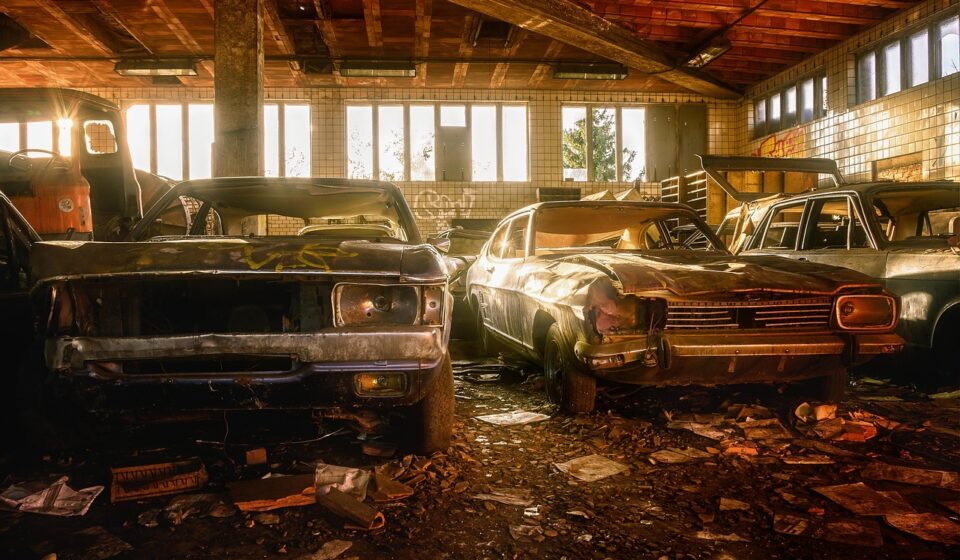
Searching for scrap yard car parts near me usually means you need a usable part quickly, locally, and at a lower cost than a new replacement. The problem is that two parts can look the same and still differ by trim, engine, build date, wiring connector, software version, sensor package, or emissions specification. Identify the exact part first, then compare local yards.
Before you call, gather the VIN, year, make, model, engine, transmission, drivetrain, production date if available, and the failed part number. A yard counterperson or online interchange database can often narrow the match, but the buyer still needs to confirm condition, warranty, return rules, and whether the part is suitable for the repair.
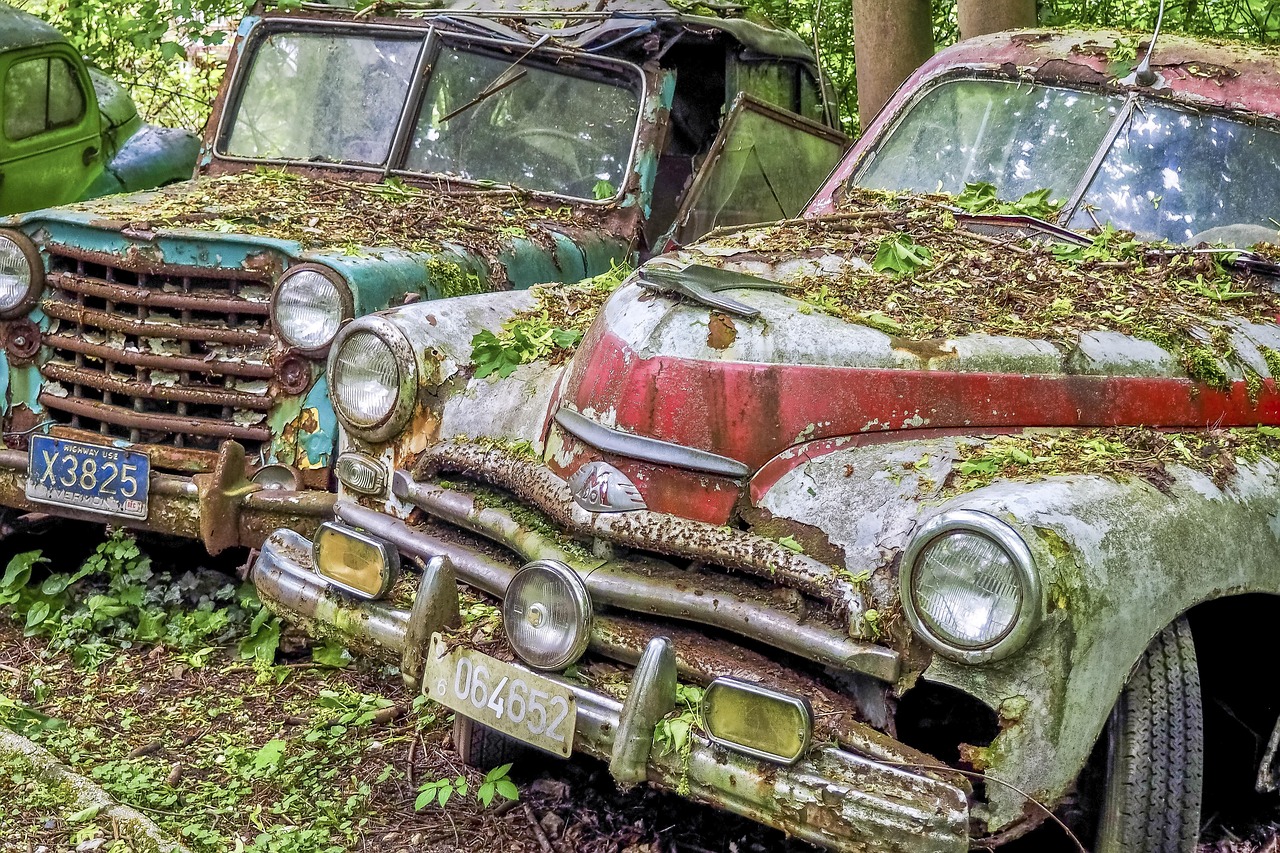
The term scrap yard is also imprecise. Some businesses are metal recyclers that mainly buy end-of-life vehicles for commodity scrap. Others are salvage yards, wrecking yards, dismantlers, pick-and-pull yards, or professional auto recyclers with inventory systems, graded parts, and limited warranties. For a repair buyer, that difference matters more than the distance from the shop or driveway.
Understand the main types of local yards
Before calling the nearest result, decide what kind of buying experience fits the repair. A full-service automotive recycler removes, inventories, grades, and often ships parts. A self-service or pick-and-pull yard lets customers remove parts from vehicles in the yard, usually at a lower price but with more labor and more fitment risk. A general scrap yard may have vehicles on site but may not test, catalog, or guarantee parts in the same way.
| Yard type | Typical advantage | Main limitation | Best for |
|---|---|---|---|
| Full-service salvage yard | Inventory lookup, staff support, removed parts, possible warranty | Higher price than self-service | Engines, transmissions, body panels, modules, doors, lighting |
| Pick-and-pull yard | Lower part cost and immediate access | You remove the part and carry the fitment risk | Interior trim, brackets, mirrors, handles, simple mechanical parts |
| General scrap yard | May be very local and inexpensive | Limited documentation, testing, or return support | Non-critical hardware, cores, metal items |
| Online recycler network with local pickup | Broader interchange search and photos | Shipping or restocking rules may apply | Hard-to-find color, trim, and drivetrain-specific parts |
Trade groups have been working for years to standardize how used parts are described and handled. The Automotive Recyclers Association has promoted certified recycler programs, parts grading, environmental handling, and customer-service standards. On October 12, 2026, the Automotive Recyclers Association and United Recyclers Group announced CARE, a jointly administered certification program intended to create a measurable audited standard for quality, safety, customer service, parts grading, recall compliance, and accountability. That does not mean every capable yard must hold the newest certification, but it does show where the professional side of the recycled-parts market is moving.
Make a fitment checklist before you call
Most wrong-part purchases happen before anyone visits the yard. The buyer asks for a broad item, such as a door, alternator, wheel, or control module, but leaves out the details that actually decide compatibility. A more useful request is specific: a left front door for a 2018 sedan, with the paint code known, blind-spot wiring, keyless entry, power folding mirror, and no prior repair at the hinge area. That level of detail gives the yard something concrete to verify.
- VIN: The 17-digit VIN is the fastest starting point for trim, engine, body, and production details.
- Original part number: Compare numbers on the failed part whenever possible, especially for electronics and modules.
- Build date: Mid-year changes can affect connectors, brackets, sensors, and calibration.
- Side and position: Driver and passenger side can be ambiguous in imported vehicle descriptions, so specify left or right as seated in the vehicle.
- Photos: Ask for photos of the actual part, not only a stock image or donor vehicle image.
- Connector count: For lamps, mirrors, seats, sensors, and modules, count pins and compare connector shapes.
- Damage notes: Ask where the damage is, how large it is, and whether mounting points are intact.
If the vehicle has warning lights, communication faults, or repeated part failures, diagnose those issues before buying. A used alternator, throttle body, sensor, or control module will not correct a wiring, ground, battery, software, or network problem. For repair-side checks before replacing parts, see our workshop diagnostics section.
Know which scrap yard parts are usually sensible
Used parts are most attractive when the component is durable, expensive new, easy to inspect, and not central to crash protection. Body panels, doors, decklids, tailgates, mirrors, wheels, seats, interior trim, glass, brackets, radios, and many mechanical assemblies can be practical used purchases when condition and compatibility are clear. Engines and transmissions can also make sense, but they require deeper questions about mileage, donor condition, compression or run testing, included accessories, warranty length, and labor coverage. Many used powertrain warranties cover the part only, not the labor needed to replace it again.
Be more cautious with electronics. Modules may be locked to a VIN, require programming, or fail because the original vehicle problem was actually power, ground, corrosion, or network communication. Lamps may vary by halogen, HID, LED, adaptive lighting, or market regulation. Mirrors may differ by heat, memory, camera, blind-spot indicator, folding motor, and puddle lamp. Seats can vary by airbags, occupancy sensors, trim, heating, ventilation, and memory modules.
Some parts should be treated as high-risk or avoided unless the repair procedure, legal requirements, and supplier documentation are clear. Supplemental restraint system parts, including airbags, seat belt pretensioners, crash sensors, and related control units, need special caution. I-CAR repair guidance and many vehicle-maker position statements discourage or do not support recycled restraint components because crash history, storage history, recall status, and traceability may be uncertain. Recalled airbags also raise waste-handling and reuse concerns under Environmental Protection Agency guidance. When occupant safety systems are involved, follow the vehicle maker’s repair information and applicable law rather than price alone.
Ask better questions about condition and warranty
A low price is not enough. The value of a salvage part depends on what is included, what has been tested, and what happens if it fails. If the yard uses A, B, or C grading, ask what that grade means for the specific part type. For body panels, grading often relates to repair time and visible damage. For mechanical assemblies, mileage, test status, and accessory inclusion usually matter more.
- Is this the actual part shown in the photo?
- What is the donor vehicle mileage and why was the vehicle dismantled?
- Was the donor vehicle hit near this part?
- Has the part been tested, run, pressure checked, or only visually inspected?
- What accessories, brackets, sensors, wiring, or hardware are included?
- Is the warranty part-only, exchange-only, store credit, or refund?
- Are labor, fluids, programming, towing, and diagnosis excluded?
- Is there a restocking fee if the part fits the description but does not solve the problem?
- Must the part be installed by a licensed repair facility to keep the warranty?
- Is the warranty void if seals are opened, tags are removed, or overheating is found?
The Federal Trade Commission has stated in consumer guidance that using aftermarket or recycled parts does not automatically void a vehicle warranty. That point is useful, but it is not a blank check. If an unsuitable part or improper installation causes damage, a warranty dispute may still arise around that specific failure. Keep receipts, part numbers, diagnostic notes, and photos of the received part before installation.
Check environmental and legal signals
A professional yard is not only a place with cheap parts. It should also handle vehicles and fluids responsibly. End-of-life vehicles contain fuel, oil, coolant, brake fluid, transmission fluid, batteries, tires, mercury switches in some older vehicles, pyrotechnic safety devices, and refrigerant. The Environmental Protection Agency regulates refrigerant handling for motor vehicle air conditioning service and prohibits venting most automotive refrigerants. A yard that is careless with fluids, batteries, or refrigerant may also be careless with part storage, labeling, and customer documentation. See also: braking and chassis.
Title history is also part of the wider salvage ecosystem. The National Motor Vehicle Title Information System collects information from state titling agencies, insurers, junk and salvage yards, and auto recyclers to help identify title brands such as salvage, junk, or flood. A buyer purchasing a complete repairable vehicle should research the vehicle history carefully. A parts buyer does not always need the donor title, but flood or fire history can still matter for wiring, electronics, upholstery, and corrosion-sensitive parts.
Local laws vary by state and municipality. Some states regulate dismantlers, salvage dealers, used parts invoices, catalytic converters, airbag handling, and rebuilt vehicle inspections. If a yard avoids basic paperwork or refuses to identify the business name on a receipt, that is a warning sign.
Compare total repair cost, not only part price
The cheapest local part can become expensive if it requires repainting, programming, missing hardware, extra labor, or a second replacement. When comparing a used part with new OEM, aftermarket, remanufactured, or rebuilt options, include the whole repair path.
- Part price: The sticker price before taxes, fees, and core charges.
- Travel and removal time: Especially important for self-service yards.
- Install labor: A used part that needs cleaning, swapping, or adjustment can take longer.
- Consumables: Fluids, seals, gaskets, clips, fasteners, refrigerant, and alignment may add cost.
- Programming: Modules, headlights, keys, radios, steering racks, and some sensors may require calibration or coding.
- Paint and finish: A same-color panel can still differ due to fading, repaint history, or trim variation.
- Warranty value: A short warranty from a nearby yard may be better than a cheaper part with difficult return shipping.
A practical rule is to buy used only when the savings remain meaningful after labor and risk are included. For a bolt-on mirror, trim panel, or wheel, used can be a strong value. For a labor-heavy engine replacement, the warranty terms and donor information may matter more than saving a small amount on the initial part.
Frequently asked questions
What should I bring to a scrap yard when looking for car parts?
Bring the VIN, the old part if removable, photos, part numbers, paint code for body parts, engine and transmission details, and basic tools if it is a self-service yard. Also bring safety gloves, eye protection, and a way to transport the part without damaging it.
Are scrap yard parts the same as recycled OEM parts?
Sometimes, but not always. A recycled OEM part is an original equipment part removed from another vehicle. Scrap yard can describe anything from a professional recycler to a metal yard with limited inventory controls. Ask how the part was identified, graded, stored, and warranted.
Can I return a used car part if it does not fit?
Return rules vary widely. Some yards allow exchange or store credit within a set period; others charge restocking fees or refuse electrical returns. Get the policy on the invoice before paying, especially for modules, sensors, lamps, and special-order items.
Are used engines and transmissions worth buying?
They can be, but only with documentation. Ask for mileage, donor VIN if available, test status, included components, warranty length, required installation steps, and exclusions. Replace wear items and seals that are difficult to access after installation when the repair plan supports it.
Should I buy used airbags from a scrap yard?
In most repair situations, used airbags and other restraint system parts are not a good place to save money. Vehicle-maker procedures, I-CAR guidance, recall traceability, and safety concerns make these parts very different from ordinary trim or body panels. Follow official repair information and local law.
The bottom line
Finding scrap yard car parts near you is not just a local search task. It is a verification process. Start with the exact part, confirm fitment, choose the right type of yard, inspect condition, understand the warranty, and avoid components where unknown history creates safety or legal risk. The best used-part purchase is not always the cheapest listing nearby; it is the part that fits, performs, can be documented, and does not create a second repair.