Car side view mirror diagnostics, replacement, and calibration guide
What a car side view mirror diagnosis should confirm
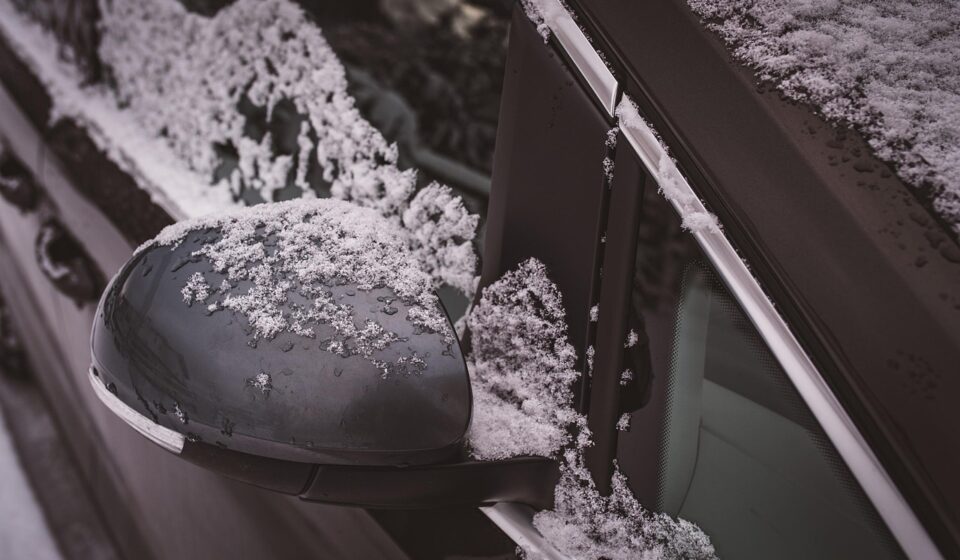
A car side view mirror is no longer only a reflective panel mounted to the door. On many vehicles it is a packaged safety component that may include a power adjustment motor, heating element, turn signal, puddle lamp, memory position sensor, blind spot warning indicator, camera, folding actuator, and wiring routed through a high-movement door harness. A proper diagnosis should confirm four points: the driver has the required field of view, the mirror is securely mounted, all electrical functions operate as designed, and any driver assistance feature affected by the repair has been checked. For more diagnostic topics across vehicle systems, see our workshop diagnostics section.
A common workshop error is to treat every mirror complaint as a glass replacement. Cracked glass, a loose housing, an inoperative adjustment motor, a dim blind spot icon, an intermittent heater, and scan-tool faults can all require different repair paths. Start by identifying the mirror’s features, then move through mechanical inspection, circuit testing, module checks, and calibration decisions.
Why side mirrors are safety and compliance parts
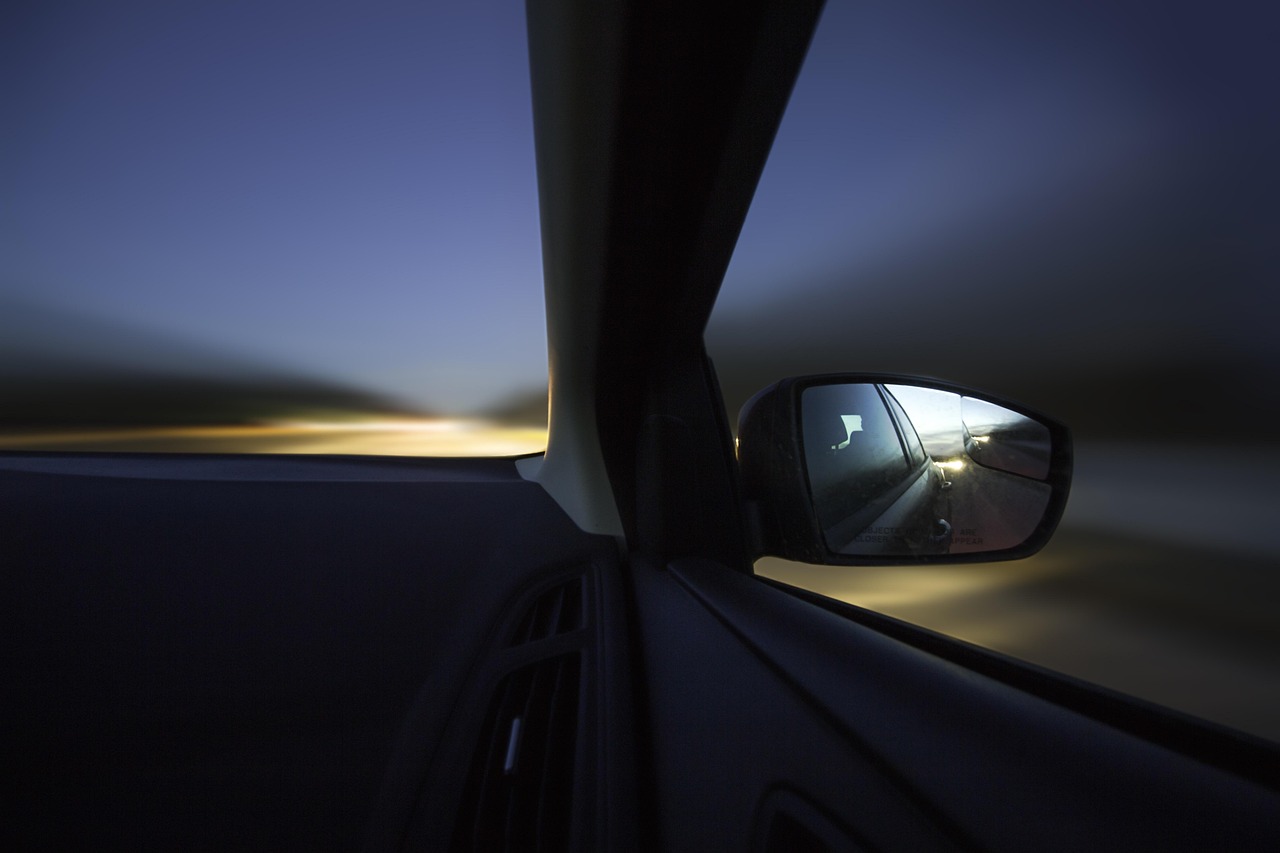
Side mirrors support lane changes, reversing awareness, parking judgment, trailer visibility, and the driver’s ability to monitor traffic beside and behind the vehicle. In the United States, Federal Motor Vehicle Safety Standard No. 111, Rear Visibility, is the main federal standard addressing mirrors and rear visibility systems. The standard’s stated purpose is to reduce deaths and injuries that occur when a driver does not have a clear and reasonably unobstructed view to the rear.
For passenger cars, FMVSS No. 111 requires an outside rearview mirror on the driver’s side. It also defines unit magnification mirrors, sets field-of-view requirements, and includes rules for convex passenger-side mirrors used to meet the standard. Convex mirrors show a wider scene but make reflected objects appear smaller, which is why the familiar warning “Objects in Mirror Are Closer Than They Appear” appears on many passenger-side mirrors. The same standard also contains requirements for rear visibility images on light vehicles manufactured on or after May 1, 2018, so mirror diagnosis may overlap with camera, display, and rear visibility system checks.
For a workshop, the point is straightforward: the job is not only cosmetic. A replacement glass or mirror assembly must preserve the correct viewing function, stable mounting, adjustment range, and warning features originally fitted to the vehicle.
Identify the mirror configuration before testing
The first diagnostic step is to document the exact mirror configuration. Two vehicles with the same body shape can use different mirror assemblies depending on trim level, market, towing package, memory seat option, or driver assistance package. Ordering or testing the wrong assembly can create new faults even when the glass shape appears correct.
- Glass type: Driver-side mirrors are often flat in the U.S. passenger-car context, while passenger-side glass is commonly convex. Some markets and models use aspheric sections to widen the outer field of view.
- Heating: Heated glass usually has two terminals on the back of the glass and may operate with the rear defogger switch.
- Power adjustment: Most power mirrors use small reversible motors controlled by polarity changes or by a door module.
- Power folding: Folding mirrors add a separate motor, hinge mechanism, position logic, and sometimes anti-pinch or stall protection.
- Lighting: Turn indicators, puddle lamps, marker lamps, and courtesy lamps may be integrated into the housing.
- Blind spot warning: Many vehicles place the visual warning icon in the mirror glass or housing, while the detection sensor itself is often in the rear bumper area.
- Camera or lane-view function: Some vehicles use side cameras for 360-degree view, curb view, or lane-watch displays.
- Memory and auto-dimming: Premium mirrors may include position sensors and electrochromic dimming circuits linked to body or seat memory modules.
Before removing parts, compare the vehicle identification information, option codes, connector pin count, glass marking, and service information. A mirror with the wrong connector may physically bolt on but disable heating, blind spot alerts, memory recall, or camera functions.
Common symptoms and likely diagnostic direction
| Symptom | Likely area to inspect | Diagnostic note |
|---|---|---|
| Glass cracked but all functions work | Mirror glass only | Check backing plate, heater tabs, blind spot icon, and auto-dimming layer before ordering. |
| Mirror shakes at highway speed | Mounting, housing, glass carrier | Inspect door mounting bolts, broken plastic pivots, aftermarket glass adhesive, and hinge wear. |
| Power adjustment works in one direction only | Switch, motor, wiring, door module | Use a wiring diagram and test polarity change or command output rather than replacing the motor first. |
| Heated mirror stays cold | Heating element, defogger circuit, terminals | Confirm rear defogger command, voltage, ground, and element resistance. |
| Turn signal in mirror is inoperative | LED unit, connector, body control output | Many mirror signal lamps are sealed LED modules, not serviceable bulbs. |
| Blind spot icon never illuminates | Indicator, radar system, coding, sensor fault | Do not assume the mirror is the sensor; scan the driver assistance system for faults. |
| Side camera image is blank or distorted | Camera, coax cable, module, calibration | Inspect water ingress and connector damage before condemning the camera. |
| Power folding is noisy or stuck | Fold motor, hinge, mechanical stop | Check for impact damage, ice loading, stripped gears, and relearn procedures. |
A workshop diagnostic workflow that avoids repeat repairs
Start with a visual and mechanical inspection
Confirm the complaint with the customer if possible. Ask when the fault occurs: after rain, during freezing weather, only with the rear defogger, only when reversing, or only at highway speed. Then inspect the mirror housing, glass carrier, door mounting area, painted cap, hinge, and connector seals. A mirror struck in a parking lot may have internal cracks that are not obvious from the outside.
Check whether the glass moves smoothly through its full range and whether the housing holds position when the door is closed firmly. Loose mounting can create vibration, wind noise, and blurred rearward vision. If the housing is cracked around the mounting studs, replacing only the glass will not correct the safety issue.
Test electrical functions one circuit at a time
Operate every mirror function before disassembly: up, down, in, out, fold, unfold, heat, indicator, puddle lamp, camera view, memory recall, and blind spot indicator self-test if available. Record which functions fail and which still work. Multiple failures on one side often suggest a connector, ground, door module, or door-jamb harness issue. One isolated failure may point to a motor, lamp, heater element, or internal mirror circuit.
Use a wiring diagram before applying power directly. Some older mirror motors tolerate careful bidirectional power testing, but modern mirrors may communicate through modules or contain electronics that should not be back-fed. When testing a heater, verify supply voltage and ground at the mirror connector with the defogger active, then measure the heating element if service information provides a specification. A heater circuit with voltage but no heat often points to an open element or damaged glass terminals.
Inspect the door harness and connectors
Intermittent mirror faults frequently begin in the door-jamb harness because the wires flex every time the door opens. Pulling the boot back may reveal broken conductors, green corrosion, water tracking, or previous repair splices. Pay special attention to vehicles with power folding mirrors, heated glass, and camera wiring because they use more circuits and smaller terminals.
Connector fit is just as important. A loose terminal can pass a quick voltage test with no load but fail when the motor or heater draws current. If a replacement mirror works briefly and then fails again, inspect terminal tension and harness routing before ordering another assembly.
Use scan-tool data for module-controlled mirrors
Many late-model vehicles route mirror commands through a body control module, driver door module, passenger door module, seat memory module, or driver assistance module. A scan tool can show switch inputs, commanded outputs, position data, and stored diagnostic trouble codes. This is especially important when memory mirrors move incorrectly, folding mirrors stop mid-travel, or a blind spot warning indicator is disabled after collision repair.
Clearing codes without correcting the cause is not a repair. If the system reports a circuit open, short to ground, lost communication, or calibration error, follow the test plan. Mirror replacement may be necessary, but it should be the conclusion of the diagnosis rather than the starting guess.
When to replace glass, parts, or the full assembly
Replacing only the glass is appropriate when the reflective surface or backing plate is damaged but the housing, actuator, heater wiring, and indicator functions are intact. This is often the most efficient repair for stone impact, delamination, or minor parking damage. However, the glass must match the original features. Heated glass, blind spot icon glass, auto-dimming glass, and convex glass are not interchangeable in function even when their shape is similar. See also: braking and chassis.
Replace the actuator or internal motor only when it is separately available and diagnosis confirms the motor or carrier has failed. Some mirror assemblies are designed as modular units, while others are sold only as complete assemblies. If the mirror has impact damage, broken folding gears, a cracked base, water intrusion into electronics, or missing structural pieces, a full assembly is usually the more reliable repair.
Painted mirror caps create another decision point. A cap may be transferable if it is undamaged and clips securely, but broken tabs can cause rattles or wind noise. For replacement assemblies, verify side, paint cap style, glass type, connector shape, pin count, market specification, and driver assistance options before installation.
Calibration and ADAS considerations after mirror work
Blind spot warning and side-view camera functions make mirror repair part of the wider driver assistance ecosystem. NHTSA describes blind spot warning systems as technologies that alert drivers when vehicles are in adjacent lanes that the driver may not see during a lane change. The Insurance Institute for Highway Safety reported in a 2018 study that vehicles with blind spot monitoring had lower police-reported lane-change crash involvement than comparable vehicles without the system, with the all-severity reduction reaching statistical significance. That does not mean the mirror itself performs the detection, but it explains why a disabled mirror indicator should be treated as more than a cosmetic fault.
The calibration question depends on the vehicle. If the mirror contains only a warning lamp, replacement may require a code clear or function check but not radar calibration. If the mirror contains a camera used for a surround-view, curb-view, or lane-view image, service information may require aiming, initialization, or camera calibration. If the vehicle was involved in a side or rear impact, radar sensors in the bumper or quarter area may also need inspection even if the mirror was the visible broken part.
NHTSA’s New Car Assessment Program final decision on advanced driver assistance systems, issued on November 18, 2024, discussed the importance of blind spot warning alerts appearing where the driver is likely to look during a lane-change decision, such as near the side mirror or A-pillar. For workshops, the practical takeaway is to verify that the alert location, brightness, timing, and system status are correct after any mirror-related repair.
Preventing repeat failures after installation
A careful installation helps keep the mirror from returning with the same complaint. Route the harness exactly as designed so the window regulator, glass channel, or door trim cannot rub it. Seat all seals and foam barriers to limit water intrusion. Tighten mounting fasteners to the manufacturer’s specification rather than over-tightening plastic bases. Confirm that the mirror folds without binding and that the housing clears the door and pillar trim.
In cold climates, advise drivers not to force a frozen power-folding mirror by hand or by repeated switch commands. Ice can overload gears and hinges. In automatic car washes, folding the mirrors before entry can reduce impact risk, but only if the vehicle’s design and owner’s manual allow it. For heated mirrors, avoid scraping aggressively at the edge of the glass where heater terminals and blind spot icons may be located.
After the repair, complete a final functional checklist: adjust the mirror from the driver’s seat, confirm a stable rearward view, test heat when conditions allow, test lamps, verify folding operation, confirm camera image quality, check for warning messages, and road-test any driver assistance function according to service information and local safety practice.
Frequently asked questions
Can I replace only the car side view mirror glass?
Yes, if the housing, actuator, wiring, and mounting structure are undamaged. The replacement glass must match the original shape and functions, including heating, blind spot indicator, auto-dimming, and convex or flat specification.
Do side mirrors need calibration after replacement?
Sometimes. A basic power mirror usually needs only a function check. A mirror with a side camera, memory position system, or driver assistance indicator may require initialization, coding, or calibration depending on the manufacturer’s service procedure.
Why does the passenger mirror say objects are closer than they appear?
That warning is used on convex passenger-side mirrors. Convex glass widens the field of view, but it also makes reflected vehicles look smaller and farther away than they are, so drivers must judge distance with care.
Is a broken side mirror legal to drive with?
Laws and inspection rules vary by location and vehicle type, so the legal answer depends on where the vehicle is operated. From a safety standpoint, a missing, loose, or badly cracked side mirror should be repaired promptly because it reduces the driver’s rearward and side visibility.
Why does my heated side mirror not clear frost?
Common causes include an open heating element, damaged glass terminals, a failed rear defogger command, a wiring break in the door harness, or poor ground. Test the circuit before replacing the glass because a new heated mirror will not work if the supply or ground fault remains.