Brakes and rotors service explained for safer, quieter stopping
What brakes and rotors service should actually include
A proper brakes and rotors service is a safety inspection, a measurement process, and a repair decision. It is not just a pad swap. The work should confirm pad wear, rotor condition, caliper movement, hydraulic integrity, wheel bearing condition, tire contact, and the chassis factors that can change stopping feel. For drivers, service teams, and parts buyers, the practical question is whether the rotor can safely stay in service, be machined, or must be replaced. That decision depends on measured thickness, surface condition, heat damage, runout, vibration complaints, and the vehicle maker’s published limits.
Brake service is also closely tied to suspension and steering condition. A vehicle with loose control arm bushings, uneven tire wear, seized slide pins, or incorrect wheel torque can still produce noise, pull, vibration, or premature pad wear after new pads are installed. For this reason, brake noise and vibration often belong with braking and chassis diagnostics rather than being treated as an isolated friction-material problem.
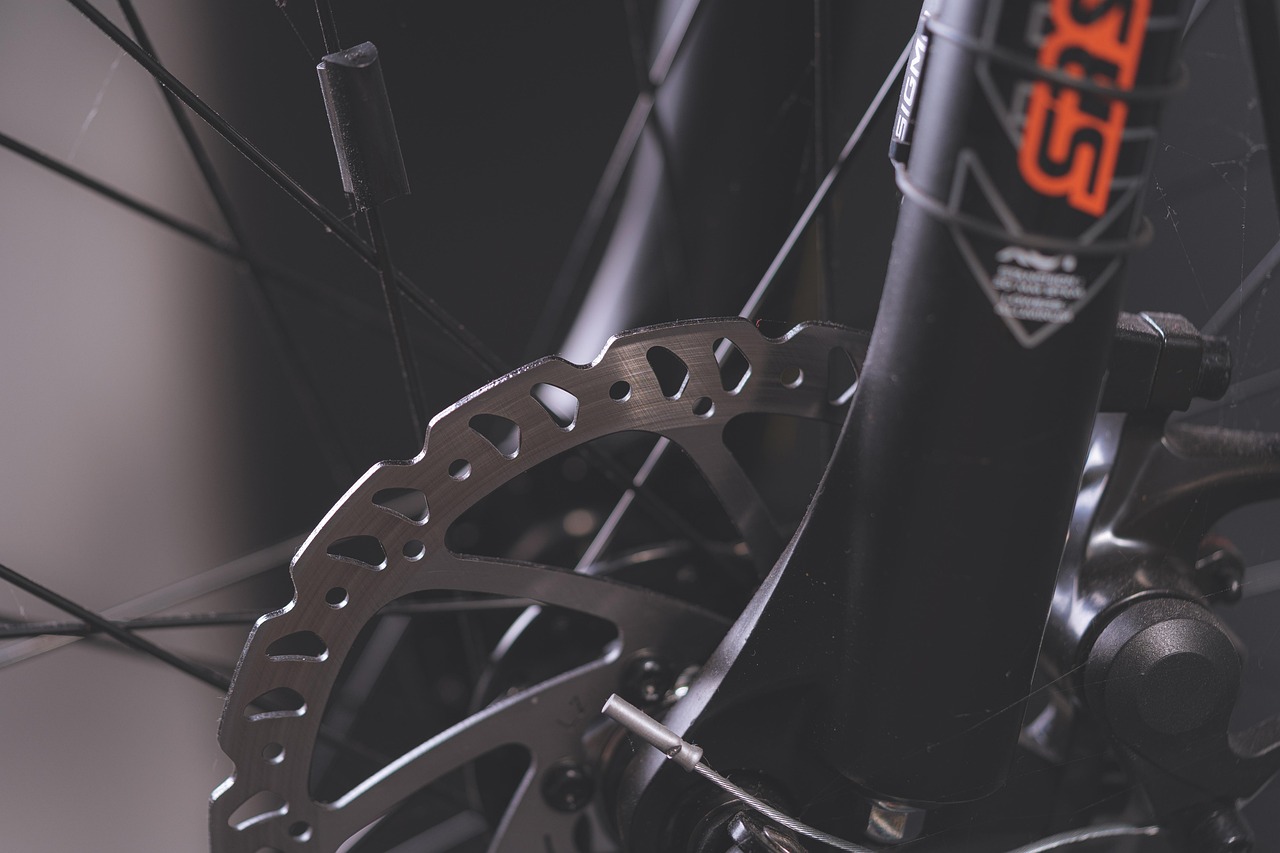
This article focuses on practical service decisions for disc brakes, the most common front-brake design on modern passenger vehicles and a widely used rear-axle design as well. Drum brakes, parking brake mechanisms, electronic parking brakes, and hybrid regenerative braking add extra steps, but the core principle is the same: braking parts should be inspected as a system.
Why pads, rotors, calipers, and chassis parts must be checked together
The rotor is the friction surface clamped by the brake pads. The caliper applies pressure, the pads convert vehicle motion into heat through friction, and the hydraulic system transfers pedal force. Around that assembly, the hub, wheel bearing, suspension, wheel, and tire determine how evenly the rotor turns and how consistently the tire can convert braking force into road grip.
Because braking creates heat as well as clamping force, each component has to work within its limits. Pads that are too thin may overheat. Rotors below minimum thickness may not absorb and release heat as designed. Calipers that do not retract can keep pads dragging against the rotor. A corroded or dirty hub face can create lateral runout, which may later feel like pedal pulsation or steering-wheel shake. Tires with poor tread or inconsistent pressure can lengthen stopping distance even when the brake hardware is new.
Industry service information commonly separates brake inspection into several areas:
- Friction material condition: remaining pad thickness, taper wear, cracking, glazing, contamination, or separation from the backing plate.
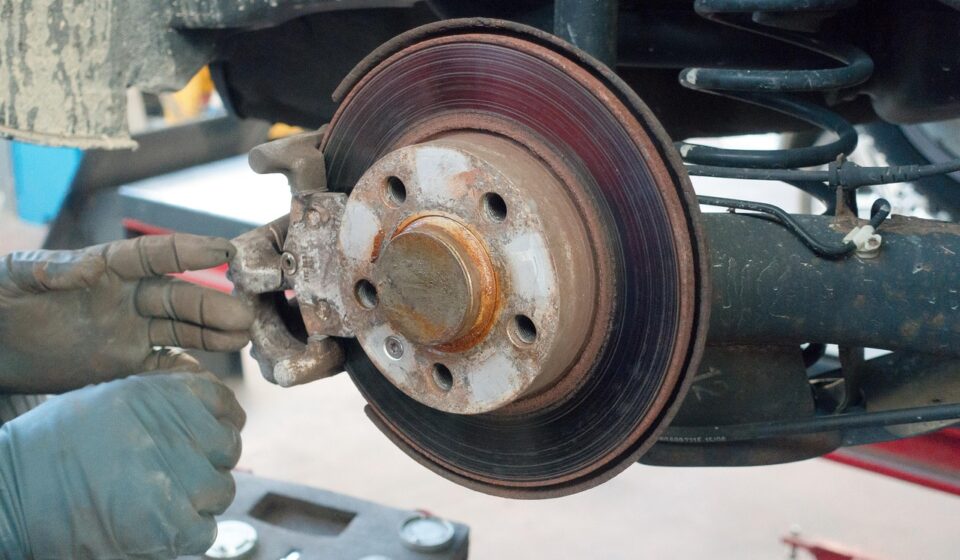
- Rotor condition: thickness, surface scoring, heat spotting, corrosion, cracks, and runout.
- Caliper operation: piston movement, slide-pin lubrication, boot condition, bracket wear, and even pad contact.
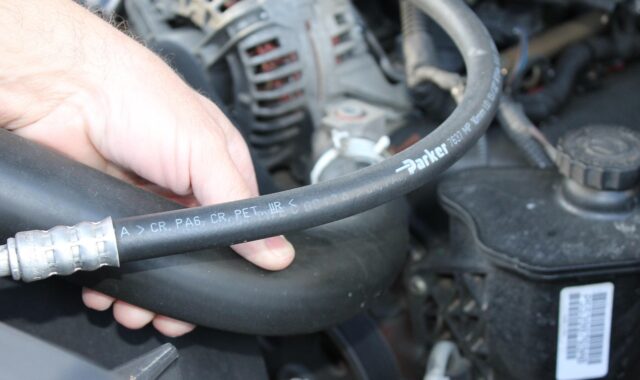
- Hydraulic integrity: brake fluid level, leaks, hose swelling, corrosion at fittings, and pedal feel.
- Chassis influence: hub cleanliness, wheel bearing play, suspension looseness, tire wear, and wheel torque.
This system-level view helps prevent a common service mistake: replacing the most visible worn part while leaving the original cause untouched.
Common signs that service may be needed
Brake symptoms should never be ignored, but sound alone is not a diagnosis. The same squeal, grind, or vibration can have more than one cause. A proper inspection is the safest way to separate normal wear from a developing failure.
Squealing, grinding, or scraping noises
A high-pitched squeal may come from a wear indicator, pad vibration, dust, rust film, or a friction compound that is not well matched to the vehicle. A grinding sound is more serious because it can indicate that the pad friction material is gone and the backing plate is contacting the rotor. Scraping after a vehicle has been parked may be light surface rust, but scraping that continues after driving requires inspection.
Pedal pulsation or steering-wheel shake
Pulsation during braking is often blamed on “warped rotors,” but the actual cause may be disc thickness variation, lateral runout, uneven pad deposits, hub contamination, or uneven wheel-lug torque. The distinction matters because installing new rotors on a dirty or uneven hub can allow the problem to return.
Pulling, dragging, or uneven pad wear
If a vehicle pulls to one side while braking, possible causes include caliper imbalance, restricted hoses, uneven tire pressure, alignment problems, or suspension wear. Pads that are much thinner on one side of the vehicle, or thinner at one end of the same pad, may point to slide-pin binding, caliper bracket wear, or piston problems.
Longer stopping distance or a soft pedal
A soft, sinking, or spongy pedal should be treated as a hydraulic concern until proven otherwise. Brake fluid leaks, air in the system, deteriorated hoses, or master cylinder problems can reduce braking confidence. Longer stopping distance may also involve tires, vehicle load, road surface, or driver reaction, so the inspection should not stop at the pad set.
Rotor resurfacing versus replacement
One of the main decisions in brakes and rotors service is whether the rotor can be reused, resurfaced, or replaced. The answer should not be based on appearance alone. It depends on the rotor’s measured thickness, its condition after any machining, and the vehicle manufacturer’s published minimum thickness specification.
| Rotor condition | Typical service decision | Reason |
|---|---|---|
| Light surface rust that cleans up during normal driving | Inspect and monitor | Minor oxidation can occur after parking, especially in wet climates. |
| Minor scoring with thickness above specification | May be serviceable | Decision depends on noise, pedal feel, pad contact, and service information. |
| Deep grooves or uneven pad contact | Machine if allowed, otherwise replace | The friction surface must be smooth and parallel enough for consistent braking. |
| Below minimum thickness | Replace | A rotor below specification may not manage heat or structural loads as intended. |
| Cracks, severe heat checking, or broken cooling fins | Replace | Structural damage is not corrected by machining. |
| Excessive runout after hub correction | Replace or correct assembly issue | Runout can cause vibration and uneven wear if not corrected. |
Resurfacing removes material to restore a smoother friction surface. It is appropriate only when the rotor will remain above the required minimum thickness after the cut. Many modern vehicles use thinner, lighter rotors to reduce weight, which can make replacement more common than machining. Replacement is also favored when labor cost, machining availability, corrosion, or heat damage makes resurfacing less practical.
Minimum thickness is a hard limit, not a guideline. It may be cast or stamped on the rotor, listed in service literature, or supplied through a parts data system. A rotor that is already near the limit before machining generally should not be cut, because the service will remove additional material.
What a professional service workflow looks like
A careful brake job follows a sequence. Skipping steps can create comebacks, especially when vibration, noise, or uneven wear was the original complaint.
- Confirm the complaint. The technician records whether the driver noticed noise, vibration, warning lights, pulling, odor, low pedal, or reduced braking confidence.
- Inspect tires and chassis first. Tire condition, wheel bearing play, suspension looseness, and visible leaks can change the brake diagnosis.
- Measure pad thickness and wear pattern. Inner and outer pads should both be checked because caliper or slide issues often appear as uneven wear.
- Measure rotor thickness. The rotor should be compared with the manufacturer’s discard or minimum service specification.
- Check rotor surface and runout where needed. Vibration complaints call for measurement, not guesswork.
- Inspect calipers, brackets, and hardware. Slide pins, boots, abutment clips, shims, and anti-rattle hardware affect noise and pad movement.
- Check brake hoses and fluid condition. Leaks, swelling, corrosion, and contaminated fluid can create hydraulic problems.
- Clean the hub and mounting surfaces. Rust or debris between the hub and rotor can introduce runout.
- Install parts using proper torque and procedure. Wheel fasteners should be tightened evenly to the specified torque, not simply hammered tight.
- Bed in pads if the manufacturer recommends it. Bedding procedures vary by pad compound and vehicle application, so instructions should be followed rather than improvised.
This workflow also helps parts buyers understand why a low-cost pad-only job may not solve the actual problem. The friction material may be worn, but the root cause could be hydraulic drag, corroded hardware, rotor runout, or a chassis fault. See also: driveline systems.
Parts quality and material choices that affect the result
Brake parts are not identical just because they fit the same vehicle. Pads vary by friction formulation, temperature behavior, noise control, dust level, and rotor compatibility. Rotors vary by metallurgy, cooling vane design, coating, balance, machining quality, and corrosion resistance.
Ceramic pads are often selected for low dust and quiet operation on many passenger vehicles, while semi-metallic pads may offer strong heat tolerance and bite in heavier-duty use. Low-metallic formulations can provide good friction but may create more dust or noise depending on the application. None of these categories is automatically “best”; the right choice depends on vehicle weight, driving style, climate, towing, terrain, and original-equipment design.
Rotor finish also matters. A surface that is too rough can accelerate pad wear, while one that is too smooth may slow bedding and reduce initial bite. Coated rotors can help reduce visible corrosion on non-friction surfaces, especially in regions with road salt, but the coating does not replace correct installation or measurement. Slotted and drilled rotors may be useful in some performance contexts, but they are not automatically necessary for daily driving and can change noise, wear, or crack resistance depending on design and use.
Hardware should not be treated as an afterthought. Abutment clips, pad springs, shims, and caliper boots help control movement, vibration, and corrosion. Reusing distorted, rusty, or heat-damaged hardware can compromise an otherwise good pad and rotor installation.
Special considerations for newer vehicles
Modern braking systems include more electronics and vehicle-specific procedures than older designs. Electronic parking brakes may require service mode before rear pads are replaced. Anti-lock braking systems, stability control, traction control, and brake-by-wire features can affect bleeding or diagnostic procedures. Some vehicles require scan-tool support after hydraulic work or when electronic parking brake components are retracted.
Hybrid and electric vehicles add another layer. Regenerative braking can reduce use of the friction brakes during normal driving, which may slow pad wear but allow rotors to corrode if the friction brakes are used lightly for long periods. Extra vehicle weight can also increase brake thermal demand during friction braking events, especially on long descents or repeated stops. For these vehicles, inspection intervals remain important even when the pads appear to last longer than expected.
Advanced driver assistance systems do not usually change a basic pad replacement by themselves, but they increase the importance of restoring predictable brake response. Automatic emergency braking, stability control, and traction systems all depend on the vehicle’s ability to apply braking force consistently. If a brake complaint appears after collision repair, suspension work, wheel bearing replacement, or tire changes, the broader vehicle system should be reviewed.
Practical decision checklist for buyers and service teams
The following checklist can help readers evaluate whether a brakes and rotors service recommendation is complete and evidence-based:
- Were pad thickness and rotor thickness measured, not just visually estimated?
- Was the rotor compared with the correct minimum thickness specification?
- Was the hub surface cleaned and checked when vibration was part of the complaint?
- Were caliper slide pins, boots, and brackets inspected for binding or corrosion?
- Were inner and outer pad wear patterns compared on both sides of the axle?
- Were brake hoses and visible hydraulic components checked for leaks or swelling?
- Were tire condition, wheel bearing play, and suspension looseness considered?
- Were replacement parts matched to the vehicle’s weight, driving use, and original design?
- Was wheel torque applied evenly according to specification?
- Was the driver informed about any bedding procedure or break-in recommendation?
For industry readers, the larger takeaway is that brake service quality depends on measurement discipline. Selling pads and rotors without confirming the surrounding conditions can create noise, vibration, short service life, and unnecessary warranty disputes. Explaining the measurement process helps customers understand why one vehicle needs pads only, another needs rotors, and another needs chassis or hydraulic repair before the brake job can be considered complete.
Frequently asked questions
Do rotors always need to be replaced with brake pads?
No. Rotors do not automatically need replacement every time pads are changed. They should be measured and inspected. If the rotor is above minimum thickness, has an acceptable surface, and does not show excessive runout or structural damage, it may be serviceable. If it is too thin, cracked, deeply scored, badly corroded, or unable to be machined within specification, replacement is the safer choice.
What causes brake vibration after new pads and rotors?
Possible causes include hub debris, lateral runout, uneven wheel torque, poor bedding, caliper drag, wheel bearing play, suspension looseness, or contaminated friction surfaces. The new parts may be involved, but the installation and surrounding chassis condition should also be checked.
Can a vehicle be driven with grinding brakes?
Grinding brakes should be inspected as soon as possible. If the pad material is gone, continued driving can damage the rotor, reduce braking effectiveness, and increase repair cost. If the pedal feels low, the vehicle pulls severely, or braking power is reduced, driving should be avoided until the system is checked.
Why do brakes squeak even when the pads are not worn out?
Brake squeak can come from vibration, pad compound characteristics, glazed surfaces, dust, missing hardware, rusty abutment areas, or light rotor corrosion. Pad thickness is only one part of the diagnosis.
How often should brakes and rotors be inspected?
Inspection frequency depends on vehicle use, road conditions, load, climate, and driving habits. A practical approach is to inspect brakes during tire rotation, seasonal service, or whenever noise, vibration, pulling, warning lights, or pedal changes appear. Vehicles used for towing, mountain driving, delivery work, or stop-and-go traffic usually deserve closer attention.