Front brake pads and rotors guide for inspection, replacement, and fitment
Front brake pads and rotors carry a large share of a vehicle’s everyday braking workload. Selecting and servicing them correctly affects pedal feel, noise, vibration, service life, and overall braking consistency. The right repair is not always “pads only,” and it is not always “replace everything.” It depends on pad thickness, rotor surface condition, rotor minimum thickness, heat damage, vehicle weight, driving use, and whether the parts match the vehicle’s braking system. This guide explains how front disc brakes work, when pads and rotors should be serviced together, what material and coating terms mean, and what buyers should verify before ordering replacement parts.
Why front brake pads and rotors matter
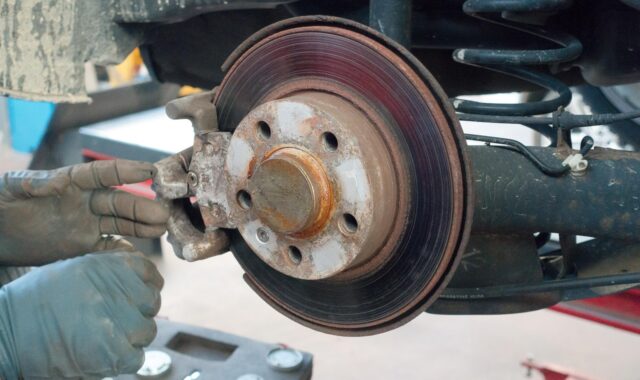
Most modern passenger vehicles use disc brakes at the front. When the driver presses the brake pedal, hydraulic pressure moves the caliper pistons and pushes the brake pads against the rotor. Friction between the pads and rotor converts vehicle motion into heat, slowing the wheel.
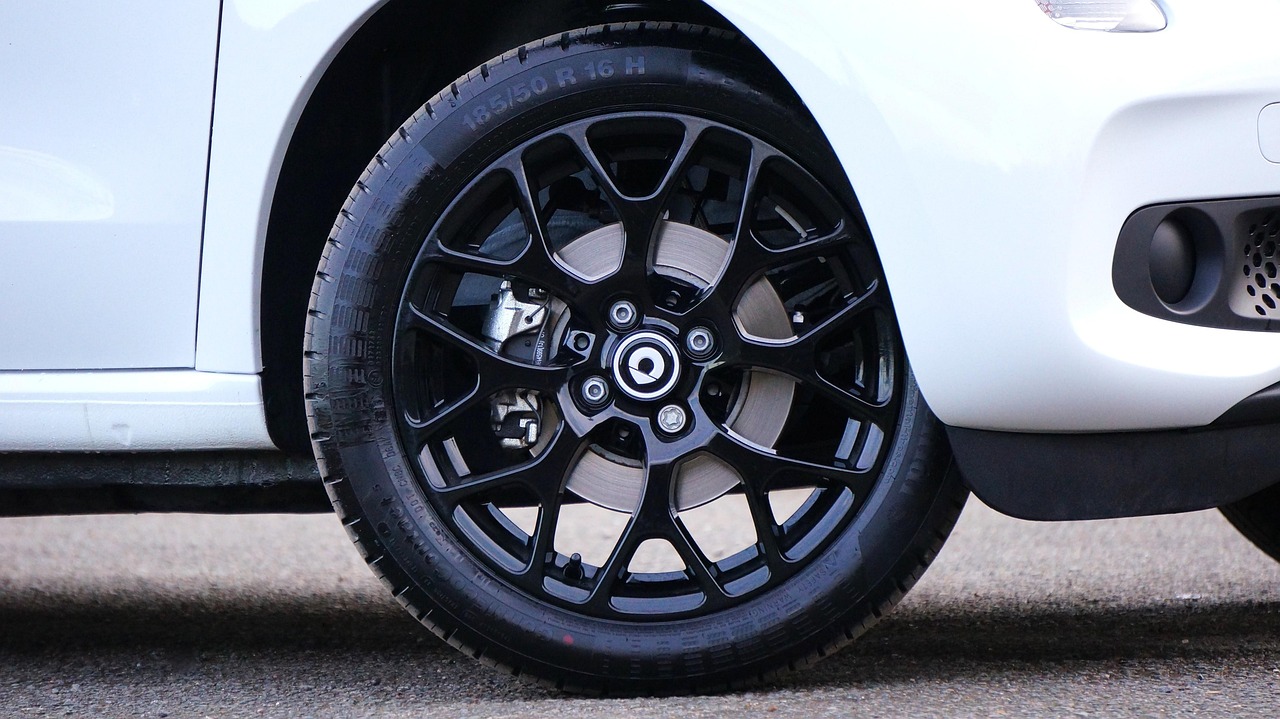
The front axle normally takes a large share of the braking load because weight transfers forward during deceleration. That is why front brake pads often wear faster than rear pads, especially in city driving, hilly regions, towing, delivery work, and stop-and-go commuting. Larger SUVs, crossovers, trucks, and performance vehicles can also place higher thermal demand on the front braking system.
Regulators and manufacturers treat braking as a safety-critical system. In the United States, NHTSA’s Federal Motor Vehicle Safety Standard No. 135 covers light vehicle brake system performance for new vehicles. The standard addresses vehicle-level braking performance rather than consumer selection of aftermarket pads, but it underlines why fitment, compatibility, and correct installation matter.
How front brake pads and rotors work together
Brake pads and rotors work as a friction pair. Pads provide the friction material, while rotors provide the rotating surface that absorbs and dissipates heat. If either part is worn, contaminated, uneven, or poorly matched, braking performance and comfort can suffer.
A brake pad is usually built from a backing plate, friction material, bonding layer, shim, and, in some applications, wear indicators or electronic sensors. A rotor is usually a cast iron disc, although specialty applications may use composite or carbon-ceramic designs. Most replacement rotors for everyday passenger vehicles are plain, vented iron rotors, sometimes with coatings to reduce corrosion on non-friction surfaces.
Installing new pads on rotors with grooves, uneven wear, rust scale, or excessive runout can prevent even pad contact. The result may be noise, vibration, poor pedal feel, or uneven pad transfer. At the same time, replacing rotors unnecessarily increases repair cost and material waste. The best service decision comes from inspection and measurement, not guesswork.
When should front brake pads and rotors be replaced
There is no universal mileage interval for every vehicle. Brake wear depends on driving style, vehicle mass, route conditions, terrain, climate, brake design, pad formulation, and maintenance history. A vehicle used mostly on highways may go much farther between brake services than the same model used for urban delivery or mountain driving.
Common warning signs include squealing, grinding, steering wheel vibration while braking, longer stopping feel, pulling to one side, a brake warning message, visible rotor scoring, or a brake pedal that feels unusually soft or low. The U.S. Federal Trade Commission’s consumer repair guidance notes that wear indicators can cause brake noises when maintenance is due, while symptoms such as a sinking brake pedal can point to more serious hydraulic concerns.
Pads should be inspected for remaining friction material, even wear across the axle, glazing, cracks, contamination, and backing plate condition. Rotors should be checked for thickness, scoring, heat checking, heavy corrosion, lateral runout, parallelism, and overall surface condition. The rotor’s minimum thickness is normally marked on the rotor or listed in service information. If a rotor is at or below that limit, it should not be reused.
As a practical rule, front brake pads are replaced when they reach the service limit specified by the vehicle or pad manufacturer, or when they show unsafe wear or damage. Rotors are replaced when they are below minimum thickness, cannot be resurfaced within specification, are cracked, are severely scored, have excessive runout, or show heat damage that cannot be corrected.
Replacing pads only vs replacing pads and rotors together
One of the most common service questions is whether front pads can be replaced without replacing the rotors. Sometimes they can, but only when the rotors remain within specification and provide a suitable surface for the new pads.
| Service choice | When it may make sense | Key risk if done incorrectly |
|---|---|---|
| Replace front pads only | Rotors are smooth, above minimum thickness, not warped, not deeply scored, and pass runout checks | New pads may wear unevenly or make noise if the rotor surface is poor |
| Replace pads and resurface rotors | Rotors have enough remaining thickness and only need surface correction | Machining too thin can reduce heat capacity and safety margin |
| Replace pads and rotors together | Rotors are below minimum thickness, heavily scored, corroded, heat damaged, or resurfacing is not practical | Higher parts cost, but often better bedding surface and consistency |
Many repair shops replace pads and rotors together because it reduces comeback risk and gives the new pads a clean, consistent friction surface. That does not mean rotors are automatically disposable. For fleets, repair facilities, and parts buyers, measuring the rotor is what separates a defensible service decision from a habit-based replacement.
Front brake pads should generally be replaced as an axle set, not on one side only. Replacing only one side can create imbalance because friction characteristics and pad thickness may differ from side to side. Rotors are also commonly serviced in axle pairs when wear, corrosion, or vibration affects braking consistency.
Brake pad materials and rotor options
Aftermarket front brake pads are commonly grouped into ceramic, semi-metallic, low-metallic, and organic or non-asbestos organic formulations. These labels are useful, but they are not complete performance specifications. Two ceramic pads from different brands can behave differently in noise, dust, cold bite, fade resistance, and rotor wear.
- Ceramic pads are often chosen for low dust, quiet operation, and smooth everyday braking. They are common on many passenger cars and crossovers.
- Semi-metallic pads may provide strong heat handling and braking response, but can create more dust, noise, or rotor wear depending on formulation.
- Low-metallic pads can offer good stopping feel and heat transfer, but may be noisier than some ceramic options.
- Organic pads are usually softer and quiet, but may wear faster under heavier use.
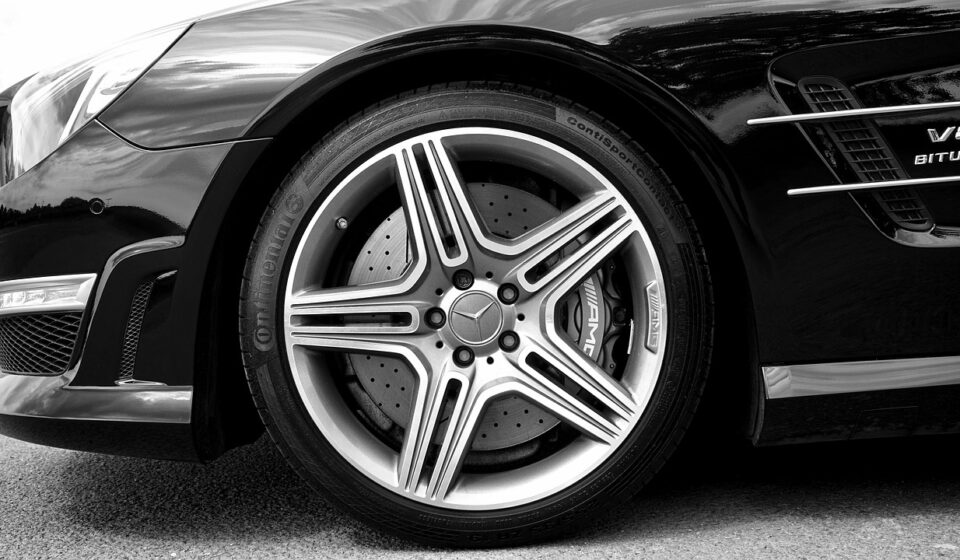
Rotor options also need careful interpretation. Plain rotors suit many daily-use vehicles. Coated rotors can help reduce visible rust on hats and vanes, especially in wet or salted-road regions. Drilled or slotted rotors may be marketed for performance appearance or for heat and gas management, but they are not automatically better for every commuter vehicle. Poorly matched performance-style rotors can increase noise or pad wear if the vehicle does not need them.
Environmental rules have also influenced friction material design. The EPA’s Copper-Free Brake Initiative and state-level programs such as California’s brake pad law pushed the market toward reduced-copper and copper-free formulations. California’s Department of Toxic Substances Control has reported restrictions on asbestos and certain heavy metals beginning in 2014, a 5 percent copper limit beginning in 2021, and progress toward copper-free pad availability. For buyers, this means modern pad formulations may differ from older designs even when the vehicle application looks unchanged.
Fitment details buyers should check before ordering
Correct fitment is one of the most important parts of buying front brake pads and rotors. A vehicle’s year, make, model, trim, engine, drive type, wheel size, and brake package can all affect the correct part number. The same model may use different rotor diameters or caliper designs depending on production date or trim level.
Before selecting a front brake kit, confirm the following details: See also: driveline systems.
- Vehicle year, make, model, submodel, engine, and drivetrain
- Front rotor diameter, thickness, height, bolt pattern, and hub bore
- Whether the vehicle uses a standard or heavy-duty brake package
- Pad shape, sensor type, hardware clips, and caliper design
- Left and right rotor differences if applicable
- Compatibility with electronic wear sensors or parking brake systems where relevant
- Whether new hardware, shims, clips, or caliper bracket bolts are recommended
This is especially important for online purchasing and wholesale sourcing. A listing that says “fits front axle” may still be wrong if the vehicle has a larger brake package or a mid-year production change. Buyers comparing product categories can also review related chassis and braking topics through the braking and chassis section for broader context on brake and suspension components.
Installation factors that affect brake performance
Even good front brake pads and rotors can perform poorly if installation details are ignored. Brake service is not only a remove-and-replace job; it also requires cleaning, measuring, lubrication, and verification.
The hub face should be clean before the rotor is installed. Rust or debris trapped between the hub and rotor can create lateral runout, which may later feel like vibration or pedal pulsation. Caliper slide pins should move freely, and pad abutment areas should be cleaned and lubricated with the correct brake lubricant where specified. Hardware clips should be installed correctly, and friction surfaces should remain free from grease, oil, and dirty fingerprints.
Torque also matters. Wheel lug nuts should be tightened in the correct pattern to the vehicle manufacturer’s specification. Uneven or excessive torque can contribute to rotor distortion or vibration complaints. If the vehicle uses electronic wear sensors, sensor routing should be secured away from moving or hot parts.
Many pad manufacturers recommend a bedding or burnishing procedure after installation. The details vary by product, but the purpose is similar: gradually bring the pad and rotor surfaces into a stable working relationship. Skipping the recommended procedure can contribute to uneven transfer layers, noise, or judder.
Common mistakes when choosing front brake parts
A frequent mistake is buying only by price. Brakes are safety-related wear components, and the lowest-cost option may not provide the best value if it wears quickly, creates noise, lacks hardware, or does not fit correctly. Another mistake is assuming that a performance label means better daily driving. A pad designed for high heat may not feel ideal in cold, low-speed commuting.
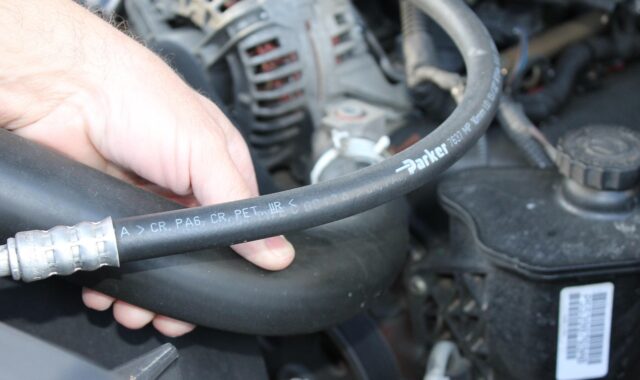
It is also risky to ignore the rest of the system. Uneven front pad wear can come from seized slide pins, sticking calipers, collapsed brake hoses, contaminated fluid, suspension wear, wheel bearing issues, or alignment problems. Replacing pads and rotors without addressing the cause can lead to repeated failure.
For electric and hybrid vehicles, regenerative braking can reduce friction brake use in some driving conditions, but it does not eliminate the need for inspection. Infrequent friction braking can allow corrosion to build on rotors, especially in humid or salted-road environments. EVs are also often heavier than comparable combustion vehicles, so the brake system must still be matched to the application.
Practical buying checklist
For repair shops, distributors, and informed vehicle owners, a structured checklist reduces returns and installation problems. Start with the vehicle identification details, then verify physical dimensions and service conditions.
- Confirm the exact vehicle application and front brake package.
- Match pad shape, sensor requirements, and included hardware.
- Check rotor diameter, thickness, height, bolt pattern, and coating requirements.
- Choose pad material based on vehicle use, not only marketing terms.
- Replace axle sets consistently to maintain balanced braking.
- Inspect calipers, slide pins, hoses, hubs, and wheel bearings before final assembly.
- Follow torque specifications and the pad maker’s bedding guidance.
The most reliable front brake service combines accurate fitment, measured inspection, suitable material selection, and careful installation. That approach provides more value than relying on mileage alone or replacing parts without understanding why they wore out.
Frequently asked questions
Do front brake pads and rotors have to be replaced at the same time?
Not always. Pads can sometimes be replaced without rotors if the rotors are smooth, above minimum thickness, and within runout specifications. If the rotors are thin, cracked, heavily scored, corroded, or causing vibration, replacing pads and rotors together is usually the more reliable repair.
Why do front brakes wear faster than rear brakes?
During braking, weight transfers toward the front of the vehicle. That increases the workload on the front axle, so front pads often wear faster than rear pads. Driving style, terrain, vehicle weight, and brake design can make the difference larger or smaller.
Are ceramic front brake pads better than semi-metallic pads?
Neither material is automatically better for every vehicle. Ceramic pads are often quiet and low dust for daily driving. Semi-metallic pads may handle heat well and provide strong response, but can be noisier or dustier depending on the formulation. The best choice depends on the vehicle and use case.
What causes vibration after replacing front brake pads and rotors?
Possible causes include hub rust, rotor runout, uneven lug nut torque, improper bedding, contaminated friction surfaces, caliper issues, or suspension and wheel bearing problems. New parts still need clean mating surfaces and correct torque procedures.
Can I use performance rotors on a daily driver?
Sometimes, but they are not necessary for every vehicle. Drilled or slotted rotors may change noise, pad wear, and braking feel. For many daily drivers, high-quality plain or coated rotors matched with the correct pads provide the most balanced result.