What a truck accessories store should know about diagnostics-ready upgrades

Diagnostics now belong in the accessory conversation
A modern truck accessories store cannot evaluate a bumper, tonneau cover, lighting kit or suspension package only by whether it physically fits a pickup. Many popular upgrades now sit close to radar sensors, cameras, parking sensors, wiring harnesses, trailer modules, emissions hardware and driver-assistance systems. A stronger accessory recommendation also considers diagnostic readiness: what may need to be scanned, calibrated, documented or checked before and after installation. For buyers, that reduces surprises. For retailers and installers, it sets clearer expectations and helps prevent avoidable returns. This article looks at the practical diagnostics questions behind truck accessories, with a focus on the aftermarket information that matters to parts sellers, installers and readers following workshop diagnostics trends.
Two market trends are pushing this issue to the accessory counter. Pickup owners continue to spend heavily on personalization, while vehicle electronics are becoming more common on the same trucks. SEMA’s 2025 Market Report described pickups as a leading specialty-equipment segment, accounting for roughly a third of specialty-equipment activity. At the same time, NHTSA’s automatic emergency braking rule requires AEB and pedestrian AEB to become standard on new U.S. passenger cars and light trucks by September 2029. Customers are buying more upgrades for trucks that also carry more electronic safety and convenience systems.
Why pickup accessories are becoming more diagnostic-sensitive
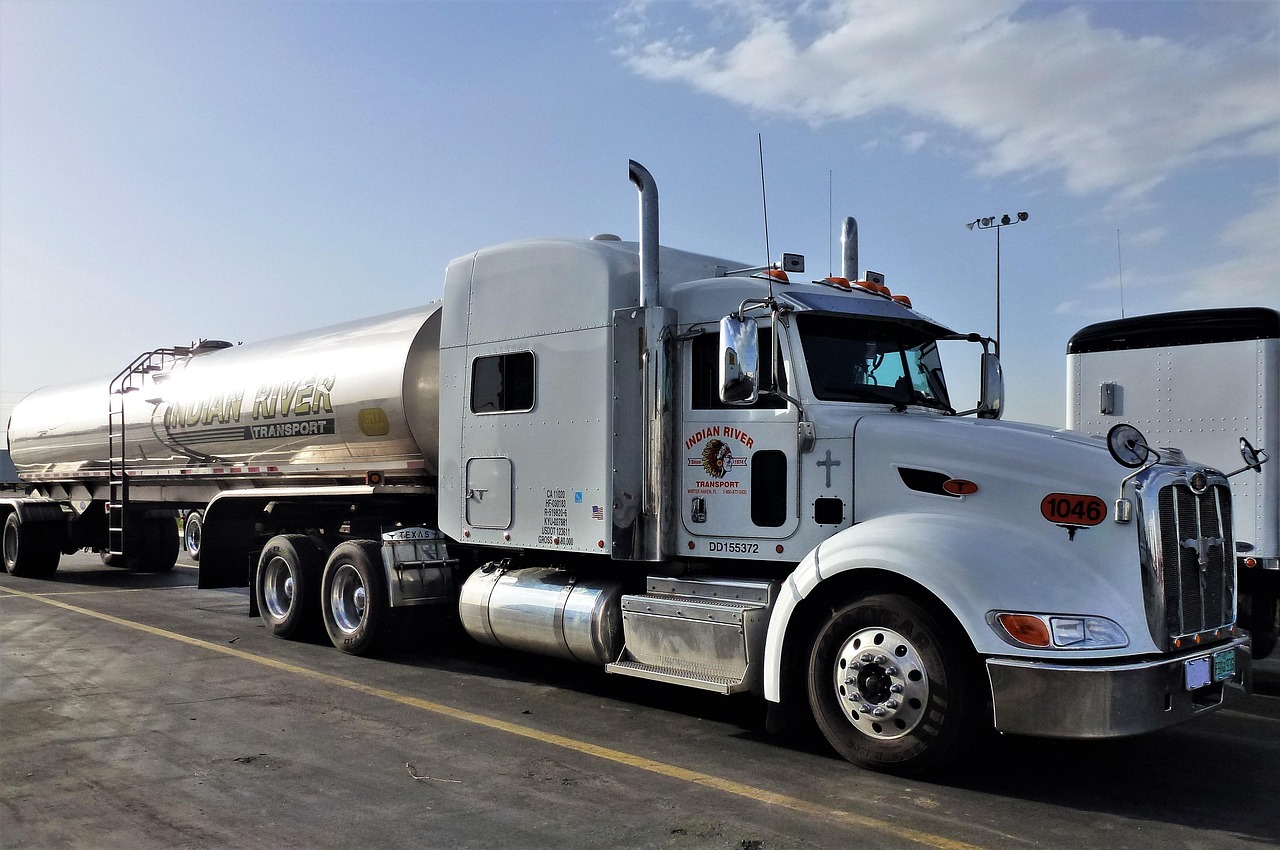
Pickup trucks remain one of the strongest platforms for aftermarket personalization because owners use them for work, towing, off-road travel, appearance upgrades and daily transportation. That creates steady demand for protective parts, bed systems, lighting, suspension, wheels, tires, towing aids, recovery equipment and electronics. The market opportunity is real, but the sales risk is no longer limited to metal-to-metal fit.
Three industry signals explain the shift. First, SEMA’s recent market research continues to show pickup trucks at or near the center of specialty-equipment spending. Second, the Auto Care Association and MEMA Aftermarket Suppliers have projected continued growth in the U.S. light vehicle aftermarket, including cars and light trucks. Third, MEMA’s ADAS aftermarket research points to rising service opportunities as vehicles equipped with advanced driver assistance systems age into the independent repair and aftermarket channel.
For a truck accessories store, this does not mean every accessory needs a diagnostic scan. Many do not. It means more sales need a compatibility conversation before the customer commits. A grille guard may be harmless on one trim and problematic on another trim with front radar. A lift kit may change wheel alignment enough to affect steering angle data. A lighting harness may create no issue when installed correctly but trigger faults if it is spliced into the wrong circuit. A rear bumper, bed camera relocation or trailer camera accessory may require software setup or verification.
Accessories most likely to affect sensors, scans or calibration
The following categories deserve extra attention because they commonly interact with visibility, electronic modules, alignment geometry or regulated systems. A store does not need to act like a repair facility, but it should know when to recommend professional installation or diagnostic verification.
Front bumpers, grille guards and winch mounts
Front-end accessories can sit near radar sensors, cameras, airbag sensors, parking sensors and airflow paths. A steel bumper, winch fairlead, brush guard or license-plate relocation bracket may look straightforward, but its position can matter if the truck uses adaptive cruise control, forward collision warning, automatic emergency braking or parking assistance. The key question is not only whether the part bolts on. The store also needs to know whether the manufacturer has tested fitment for the buyer’s exact year, model, trim and sensor package.
Lift kits, leveling kits, wheels and tires
Suspension and tire changes can alter ride height, wheel speed behavior, headlamp aim, steering angle relationships and camera or radar aiming assumptions. Not every leveling kit creates a warning light, and not every tire upgrade requires programming, but the possibility should be checked before the sale. Larger tires may also affect speedometer accuracy and transmission behavior, depending on the vehicle and available calibration options.
Lighting, power accessories and harnesses
LED light bars, auxiliary reverse lights, powered steps, bed power systems and compressor kits add electrical load and often require routing through areas that already carry factory wiring. Diagnostic issues often come from poor grounding, water intrusion, overloaded circuits or connections made without regard to module-controlled lighting. A diagnostics-ready recommendation should favor accessory kits with clear wiring diagrams, fuse protection, weatherproof connectors and installation instructions that avoid cutting critical factory wiring unless the procedure is clearly supported.
Bed, towing and camera-related accessories
Bed racks, caps, tonneau systems, fifth-wheel accessories, camera relocations and trailer-assist products can influence rear visibility, blind-spot coverage, trailer detection and camera views. The risk is highest on trucks with surround-view cameras, trailer reverse guidance, blind-spot monitoring with trailer coverage or factory bed-view cameras. Stores should treat cosmetic fitment and system compatibility as separate questions because the customer may not discover a problem until towing, parking or backing up.
Performance and emissions-related parts
Intake, exhaust and tuning-related parts require a higher level of caution. In the United States, emissions compliance is not just a technical question; it can also be a legal and regulatory question. EPA’s 2026 Freedom to Fix materials discuss repair access and diagnostic information, but they should not be treated as a blanket approval for emissions defeat devices or unsupported modifications. A responsible store should distinguish between replacement parts, compliant performance parts and modifications that may be restricted for street use.
Pre-sale questions a store should ask before recommending an accessory
Good diagnostic outcomes often start before the product is sold. A short checklist can prevent many misunderstandings:
- What is the exact vehicle? Year, make, model, engine, drivetrain, cab, bed length and trim can all affect fitment.
- Which driver-assistance features are present? Ask about adaptive cruise control, AEB, lane keeping, blind-spot monitoring, parking sensors, surround-view cameras and trailer-assist systems.
- Where are the sensors located? Some sensors are hidden behind emblems, grilles, mirrors, bumpers, taillamps or windshield areas.
- Does the accessory manufacturer provide sensor-specific fitment notes? Generic fitment claims are weaker than documentation for specific trims and sensor packages.
- Will installation change alignment, ride height, camera position or wiring? These are common triggers for calibration or scan requirements.
- Is post-install verification required? The answer may include a diagnostic scan, alignment, aiming procedure, camera calibration, road test or customer warning note.
- What is not included? Relocation brackets, programming, calibration targets, harnesses and labor may be separate from the accessory itself.
This approach helps stores avoid a common problem: selling a part as compatible because it physically attaches to the truck, while ignoring the electronic systems that may determine whether the installation is truly complete.
A practical workflow from fitment to handoff
A diagnostics-ready accessory workflow does not have to be complicated. It should be consistent, documented and realistic about what the store or installer can verify. The table below gives stores, installers and content teams a practical structure for product guidance and installation records.
| Step | What to document | Why it matters |
|---|---|---|
| Vehicle identification | Year, model, trim, engine, drivetrain, VIN when available and sensor package | Prevents wrong-part sales caused by trim-level differences |
| Pre-install condition | Existing warning lights, damaged sensors, prior modifications and visible wiring issues | Avoids blaming the new accessory for a pre-existing fault |
| Instruction review | Manufacturer fitment notes, torque values, wiring diagrams and relocation steps | Confirms the installation follows the part maker’s intended procedure |
| Installation | Mounting points, harness routing, grounds, sealing and sensor clearances | Reduces vibration, corrosion, obstruction and electrical faults |
| Post-install check | Warning lights, basic functions, scan results where appropriate and alignment status | Identifies issues before the vehicle is returned to the customer |
| Calibration decision | Whether OE procedures call for static calibration, dynamic calibration, alignment or aiming | Separates a simple install from a safety-system service event |
| Customer handoff | Limitations, service records, instructions and follow-up recommendations | Gives the owner a clear record for future maintenance or repair |
The workflow also protects the store’s reputation. If a customer later visits a repair shop for an unrelated warning light, documented installation notes can help the technician understand what was changed and when. See also: braking and chassis.
How product pages can build trust without overpromising
For an online or local truck accessories store, product content should do more than repeat manufacturer marketing language. Strong product pages help buyers understand fitment boundaries, especially for parts installed near sensors, cameras, wiring and safety systems.
Useful product-page details include confirmed model years, excluded trims, notes for trucks with adaptive cruise control, whether factory parking sensors are retained, whether camera relocation parts are included, whether cutting or drilling is required, and whether professional installation is recommended. If calibration may be needed, say so plainly. If the store cannot verify compatibility with a specific sensor package, say that as well.
Claims such as plug-and-play, no calibration needed or works with all sensors should be used carefully. They may be accurate for some products, but they create avoidable risk when applied too broadly. In diagnostics-related content, clear limits are more valuable than vague confidence. A buyer who understands the limits before purchase is less likely to feel misled after installation.
What industry trends suggest for the next few years
The diagnostics issue is likely to become more important, not less. NHTSA’s AEB rule means that new U.S. passenger cars and light trucks will increasingly include standardized forward crash-avoidance technology by the end of the decade. MEMA’s ADAS aftermarket outlook also indicates that the parts and service ecosystem around driver-assistance systems is expected to grow through 2035. As those vehicles age, more of them will move from dealer-only service patterns into independent shops, accessory installers and used-vehicle ownership.
Policy discussions add another layer. The U.S. Government Accountability Office’s vehicle repair report, reissued on April 5, 2024, examined how evolving vehicle technology affects repair information, data access and consumer choice. EPA’s July 2026 Freedom to Fix materials also addressed diagnostic and repair information in the context of vehicles and equipment. These developments do not remove the need for correct procedures, but they show that access to repair data and tools remains central to the aftermarket.
For accessory retailers, the business impact is practical. Stores that understand diagnostics can write better fitment notes, train staff to ask better questions and build stronger relationships with qualified installers. Stores that ignore diagnostics may still sell parts, but they may face more returns, more customer confusion and more disputes when a modern truck reacts differently than expected.
Frequently asked questions
Can an aftermarket bumper interfere with ADAS?
Yes, it can, depending on the truck and the bumper design. The main concern is obstruction or misalignment of radar, camera or parking sensors. Buyers should check whether the bumper maker lists compatibility for the exact trim and sensor package, not just the general truck model.
Does every lift kit require calibration?
No. Requirements vary by vehicle, lift height, alignment change and driver-assistance equipment. However, any suspension change that affects ride height or alignment should be checked against the vehicle manufacturer’s procedures and verified after installation.
Is a diagnostic scan the same as calibration?
No. A scan checks modules for diagnostic trouble codes and data. Calibration is a procedure that teaches a camera, radar, steering angle sensor or other system its correct position or operating reference. Some jobs may need both, while others may need only a functional check.
What should a truck accessories store list on product pages?
At minimum, list vehicle fitment, trim exclusions, sensor compatibility notes, installation requirements, included hardware, wiring details and whether professional installation or post-install verification may be needed. Clear limitations are better than broad claims.
Can customers install accessories themselves if the truck has sensors?
Some accessories are suitable for careful DIY installation, but sensor-adjacent parts are different. If the part changes bumper structure, camera position, ride height, wiring or visibility around sensors, professional installation and diagnostic verification are the safer recommendation.
The bottom line
A truck accessories store can still sell style, utility and performance, but modern trucks require one more layer of review. Diagnostics-ready selling means asking about sensors before recommending parts, checking manufacturer fitment notes, documenting installation details and knowing when scans or calibration may be required. That approach helps customers choose accessories with fewer surprises and gives stores a more credible role in a market where mechanical upgrades and electronic systems now meet on the same vehicle.