Brakes and rotors replacement guide for safe service decisions
What brakes and rotors replacement really means
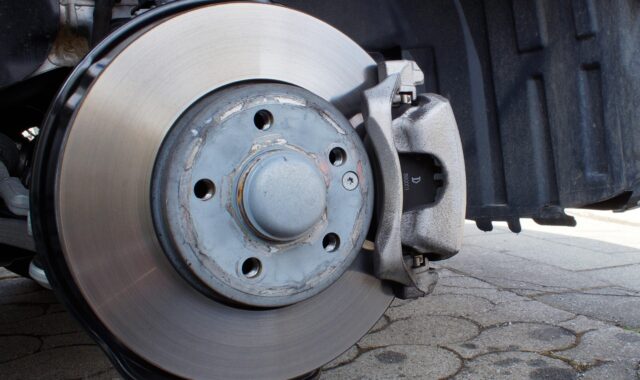
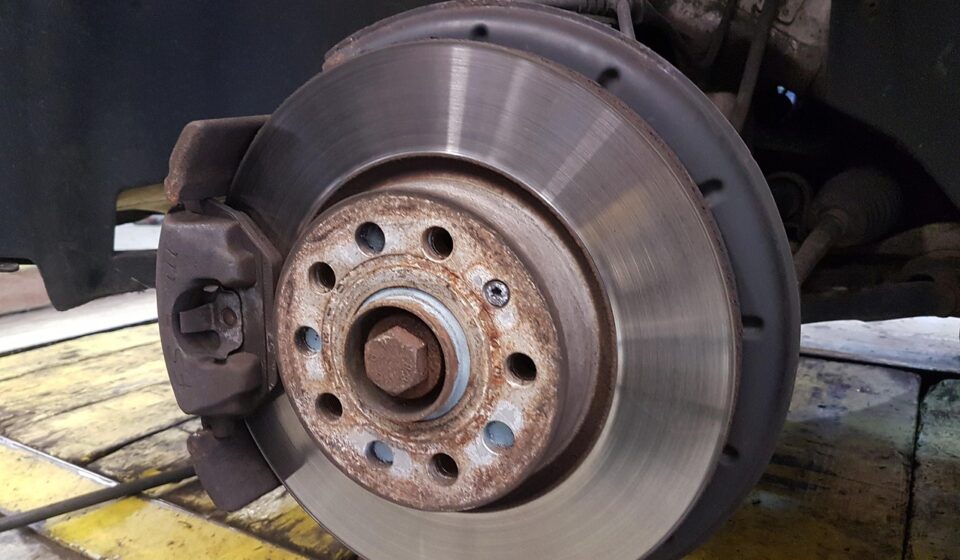
Brakes and rotors replacement is more than a routine parts swap. It is a safety decision based on pad thickness, rotor condition, manufacturer specifications, brake feel, noise, heat damage, and hydraulic system behavior. On many vehicles, replacing pads without checking the rotors can lead to noise, vibration, uneven wear, or inconsistent braking. At the same time, rotors do not need to be replaced automatically at every pad change if the discs remain within specification and the friction surfaces are suitable for continued service.
The practical question is whether the brake assembly still has enough material, surface quality, and mechanical integrity to stop the vehicle reliably until the next service interval. A proper brake inspection answers that question with measurements, not assumptions. Industry repair guidance, vehicle service manuals, and safety agencies point to the same principle: braking components should be inspected as a system, not as isolated parts.
For readers following braking and chassis topics, Sifangdi focuses on parts knowledge and industry information rather than vehicle-specific repair promises. The guidance below is intended to help drivers, buyers, and parts professionals understand how replacement decisions are usually made.
When pads-only service may be enough
A pads-only brake service may be reasonable when the rotors are still above the vehicle maker’s minimum thickness, the braking surfaces are smooth enough for proper pad contact, and there is no significant pedal pulsation, cracking, heavy scoring, overheating, or corrosion on the swept area. This decision should be based on actual rotor measurements and a visual inspection after the wheel is removed.
Brake pads are friction materials. They are designed to wear as they clamp against the rotor. If the pads are worn but the rotors remain flat, thick enough, and free from damage, replacing only the pads can restore normal braking performance in some cases. The technician still needs to check both sides of the rotor and both the inner and outer pads, because uneven caliper movement can wear the inner pad faster than the outer pad visible through the wheel.
A pads-only job becomes less suitable when the previous pads have worn unevenly, the rotor face is grooved, rust has reduced the usable contact area, or the driver already feels vibration during braking. New pads need a stable, compatible rotor surface to bed in correctly. Installing new friction material against a damaged or out-of-spec disc can shorten pad life and create a repeat complaint.
When rotors should be replaced with the pads
Rotors should generally be replaced when they are at or below the minimum thickness specified by the vehicle or rotor manufacturer, when they are cracked, when heat checking is severe, when the braking surface is heavily scored, or when resurfacing would take them below the service limit. Minimum thickness matters because the rotor must absorb and dissipate heat while maintaining structural strength. A rotor that is too thin may be more vulnerable to heat fade, distortion, cracking, and reduced durability.
Repair information providers and brake component manufacturers commonly emphasize the same inspection point: rotor thickness should be measured with a micrometer, not estimated visually. The specification may be cast into the rotor, printed in service information, or listed in a parts database. If the specification cannot be confirmed, the safe approach is to verify it before deciding whether the rotor can remain in service.
Rotor replacement is also common when the customer reports pedal pulsation or steering wheel shake while braking. These symptoms can be related to disc thickness variation, lateral runout, uneven pad transfer, hub contamination, or installation issues. The rotor is not always the only cause, but it is one of the key components that must be checked. Replacing rotors without cleaning the hub face or checking caliper hardware can leave the root cause unresolved.
| Inspection finding | Likely service decision | Why it matters |
|---|---|---|
| Pads worn but rotors measure above specification and surfaces are clean | Pads-only service may be possible | The rotor can still provide a suitable friction surface |
| Rotor at or below minimum thickness | Replace rotor | The disc may not manage heat or wear safely through another pad life |
| Deep grooves, cracks, heavy rust, or severe heat damage | Replace rotor | Surface and structural condition are compromised |
| Brake pedal pulsation or steering vibration under braking | Measure runout and thickness variation; rotor replacement may be needed | The cause must be confirmed before parts are replaced |
| Uneven pad wear on one side | Inspect caliper slides, bracket hardware, hose condition, and rotor | New pads alone may not correct the wear pattern |
Warning signs that should trigger a brake inspection
Brake symptoms should not be ignored because they can point to wear, hydraulic problems, chassis issues, or improper previous service. The Federal Trade Commission’s auto repair guidance lists warning signs such as pulling during braking, a brake pedal that sinks while pressure is maintained, and scraping or grinding noises. These symptoms do not prove that rotors need replacement, but they do justify inspection before the vehicle continues heavy use.
- Squealing or chirping: Many brake pads use a wear indicator that creates noise when the pad is near the end of its service life. Noise can also come from glazing, hardware, rust, or pad compound behavior.
- Grinding: Grinding can indicate that pad material is gone and metal contact is occurring. At that point, rotor damage is likely and immediate inspection is appropriate.
- Pedal pulsation: A pulsing pedal can be associated with rotor thickness variation or runout, although wheel bearings, hub surfaces, and installation practices may also contribute.
- Vehicle pulling when braking: Pulling can involve brake imbalance, tire condition, suspension alignment, caliper sticking, or hose restriction.
- Soft or sinking pedal: This is more likely to require hydraulic diagnosis, such as checking for air, fluid leakage, master cylinder concerns, or hose issues. It should not be treated as a simple pad-and-rotor problem.
- Brake warning light: A brake system light, ABS light, or electronic parking brake message should be diagnosed according to vehicle service information.
The Car Care Council has advised that a complete brake inspection should include lining wear, fluid level, rotor thickness, hoses and brake lines, warning lights, and a road test. That broader checklist matters because replacing pads and rotors will not repair every brake complaint.
What a proper brake and rotor inspection should include
A reliable inspection starts with the vehicle’s service information. Brake designs vary by model, axle, trim, brake package, and production date. A technician should confirm pad wear limits, rotor minimum thickness, torque specifications, caliper service steps, and any electronic parking brake procedures before disassembly.
Pad thickness and wear pattern
Both inner and outer pads should be checked. Uneven wear may show that caliper slide pins are sticking, the bracket hardware is binding, the piston is not retracting properly, or the rotor surface is not consistent. A pad that looks acceptable from outside the wheel may still hide a thin inner pad.
Rotor thickness, surface, and runout
Rotor thickness should be measured at several points around the disc with the correct tool. Surface condition should be checked for scoring, rust scale, cracks, and heat discoloration. If the vehicle has vibration under braking, lateral runout and disc thickness variation may also need to be measured. A rotor that passes a quick visual check can still fail a measurement-based inspection.
Caliper, bracket, and hardware condition
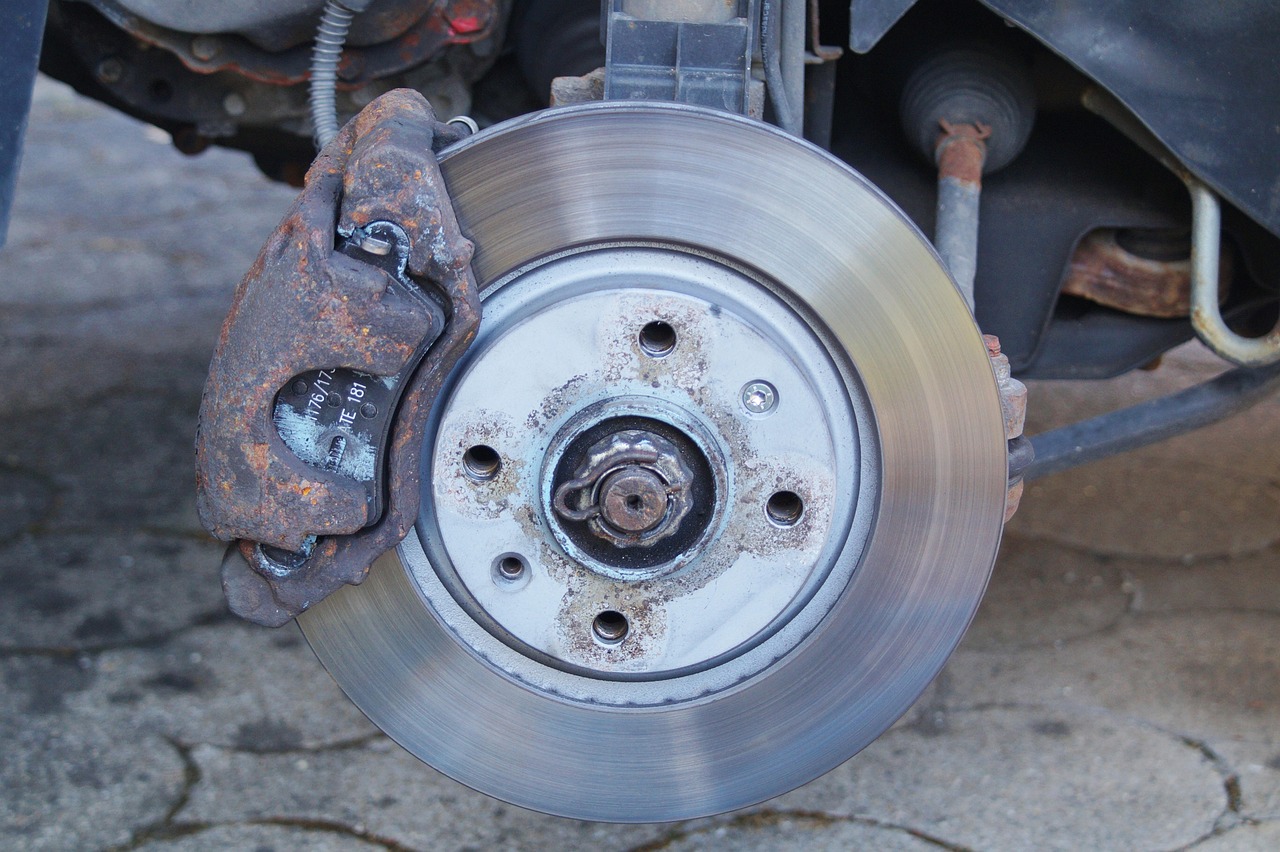
Brake pads must move freely in their bracket, and caliper slide pins must allow even clamping and release. Corroded hardware, dry slide pins, or swollen rubber components can create drag, noise, and uneven wear. Replacing pads and rotors while reusing seized hardware is a common cause of poor service life.
Hydraulic and electronic brake controls
The service brake system includes more than pads and discs. Federal brake safety standards for light vehicles describe service brake systems as systems intended to provide safe braking performance under normal and emergency conditions. In modern vehicles, ABS, stability control, brake assist, regenerative braking coordination, and electronic parking brakes can all affect diagnosis and service procedure. This is why generic replacement instructions should never override the vehicle maker’s repair manual.
Replacement process and parts considerations
A professional brake job typically includes safe lifting, wheel removal, pad and rotor inspection, caliper and bracket removal, hub cleaning, rotor replacement or qualified resurfacing, pad installation, hardware service, proper lubrication at approved contact points, torqueing fasteners to specification, brake pedal pumping before movement, fluid level verification, and a controlled road test. The exact steps vary by vehicle.
Parts choice also matters. Pads and rotors should be compatible with the vehicle’s weight, braking system, use pattern, and wheel package. Ceramic, semi-metallic, and low-metallic pad formulas can differ in noise behavior, dust, heat tolerance, and rotor wear. For everyday passenger vehicles, the best choice is usually the one that matches the vehicle maker’s performance expectations and the driver’s use case, not simply the hardest or most aggressive friction material available.
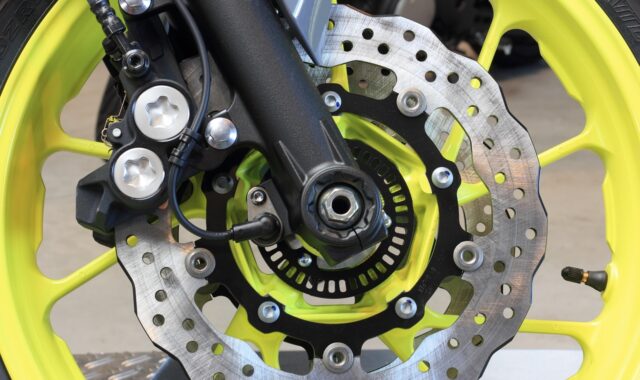
Rotors should match the correct diameter, thickness, hat offset, bolt pattern, vane direction when applicable, and coating or corrosion protection requirement. A rotor that physically fits but does not match the correct specification can create caliper clearance, heat capacity, or pedal feel issues. For performance, towing, fleet, or mountain driving, heat management becomes especially important.
Bedding-in should follow the pad manufacturer’s instructions. The goal is to establish an even transfer layer and stable friction behavior. Aggressive braking immediately after installation, holding the brake pedal hard after a hot stop, or skipping the bedding procedure can contribute to uneven material transfer and future vibration complaints.
Common mistakes that lead to repeat brake problems
Many repeat brake complaints are not caused by the pads or rotors alone. They often come from incomplete inspection, poor surface preparation, or related chassis and hydraulic issues that were not addressed.
- Replacing pads without measuring rotors: Visual inspection alone cannot confirm whether the rotor is above minimum thickness.
- Installing new rotors on dirty hubs: Rust or debris between the hub and rotor can create runout, which may later feel like warped rotors.
- Ignoring caliper slide condition: Sticking slides can overheat one pad, wear one side faster, and cause pulling or odor.
- Reusing damaged hardware: Clips, shims, abutment surfaces, and boots help control movement, noise, and release.
- Misdiagnosing a soft pedal: Pads and rotors do not fix hydraulic leakage, air in the system, or master cylinder problems.
- Skipping torque specifications: Uneven wheel lug torque can contribute to rotor distortion or runout-related complaints on some vehicles.
For parts buyers, the lesson is to ask for measurements and findings. A clear brake estimate should explain pad thickness, rotor measurement, visible damage, and any related hardware or hydraulic concerns. A vague recommendation that says only “needs brakes” is less useful than a documented inspection.
Frequently asked questions
Do rotors always need to be replaced with brake pads?
No. Rotors do not always need replacement at every pad service. They should be measured and inspected. If they are above minimum thickness, have an acceptable surface, and show no damage or vibration-related problems, pads-only service may be reasonable. If they are too thin, cracked, heavily scored, badly corroded, or causing vibration, replacement is usually the better decision.
Can rotors be resurfaced instead of replaced?
Sometimes. Resurfacing can be appropriate when the rotor has enough remaining thickness after machining and the vehicle maker allows it. However, many modern rotors have limited extra material, and labor costs can make replacement more practical. A rotor that would fall below the minimum service specification after machining should not be resurfaced for reuse.
What is the most serious brake warning sign?
A sinking pedal, grinding noise, brake warning light, or major loss of stopping confidence should be treated as urgent. Grinding may mean the pad material is gone, while a sinking pedal may indicate a hydraulic issue. Either condition calls for inspection before continued driving.
Why do new brakes sometimes make noise?
New brake noise can come from pad compound characteristics, lack of proper bedding, missing or damaged hardware, contaminated surfaces, corrosion, or caliper movement problems. A small amount of initial noise may disappear after bedding, but persistent grinding, scraping, or vibration should be checked.
How should a driver decide whether to approve brakes and rotors replacement?
Ask for pad thickness readings, rotor measurements, the applicable minimum specification, and a description of any surface damage or hardware issue. Replacement is easier to justify when the recommendation is tied to measurable wear, visible damage, or confirmed braking symptoms rather than a general mileage estimate.
Final takeaway for safer brake service decisions
The best brakes and rotors replacement decision is evidence-based. Pads, rotors, calipers, hardware, fluid condition, warning lights, and road-test results all matter. Replacing too little can leave a safety issue unresolved; replacing too much without documentation can waste money and reduce trust. For most vehicles, the right approach is straightforward: inspect the full system, measure the rotors, compare findings with service specifications, repair related causes of uneven wear, and verify the result with a careful road test.