Slotted and drilled rotors vs blank rotors for street and performance driving
What slotted and drilled rotors are designed to do
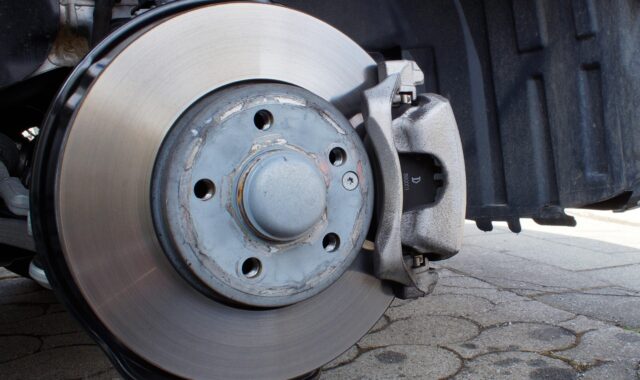
Slotted and drilled rotors are brake discs with machined grooves, holes, or both on the friction surface. The surface pattern does not create braking force on its own. Braking performance still depends on the complete system, including rotor diameter, calipers, pads, tires, hydraulic pressure, cooling, vehicle weight, and electronic controls.
The practical question is whether the pattern helps the rotor manage heat, water, gases, dust, and pad deposits for a specific duty cycle. For many daily drivers, a high-quality blank or plain vented rotor remains the most balanced choice because it offers good thermal mass, low noise, predictable pad wear, and reasonable cost. For heavier use, such as spirited road driving, repeated downhill braking, towing, or some performance applications, a carefully engineered slotted or drilled pattern may offer useful benefits. It can also bring trade-offs in noise, pad wear, friction area, and crack resistance.

This guide focuses on practical selection rather than styling. For related brake system and suspension topics, see the braking and chassis section.
How rotor surface patterns affect braking
A disc brake converts vehicle motion into heat through friction between the pads and rotor. Rotor design affects how that heat is absorbed, distributed, and released. Slots and holes can change how the pad face contacts the rotor, how debris leaves the contact area, and how quickly water is disrupted in wet conditions. At the same time, any material removed from the rotor can reduce thermal mass and contact area. This is why engineering quality matters more than the appearance of the pattern.
Slotted rotors
Slotted rotors use grooves cut into the friction ring. The slots can help sweep the pad surface, move dust and gases away from the pad-rotor interface, and reduce glazing under some conditions. Brembo technical guidance describes slots as useful for cleaning the pad surface and maintaining a more responsive initial bite. Some slotted designs also use groove depth as a visual wear reference, although the rotor must still be inspected against its minimum thickness specification.
The trade-off is pad wear and refinement. Slots can be more aggressive on pads than a smooth rotor, especially with softer street pad compounds. Depending on slot shape, pad compound, and vehicle insulation, they may also create light vibration or air noise. On a mild commuter vehicle, those costs may outweigh the benefit.
Drilled rotors
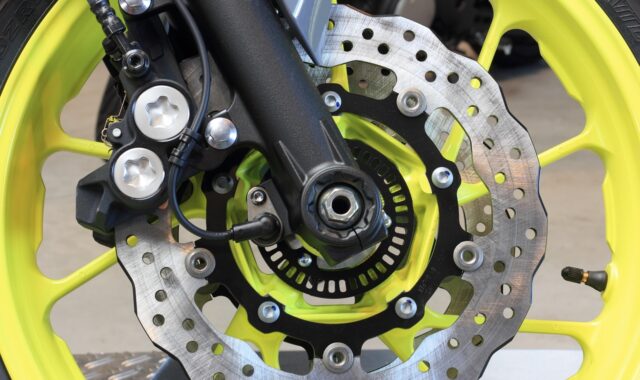
Drilled rotors have holes through the friction ring. Historically, holes helped release gases from older pad materials and improved response in wet conditions. They also reduce unsprung weight slightly and provide the performance look many buyers associate with sport braking systems. Brembo and other brake manufacturers continue to offer drilled discs for road and sport use when the hole layout, chamfering, metallurgy, and testing are matched to the application.
The main concern is thermal stress. Holes interrupt the rotor surface, and the edges around the holes can become stress concentration points under repeated high-temperature cycles. This does not mean every drilled rotor will crack in normal road use. It does mean drilled discs should be selected carefully for heavy vehicles, towing, aggressive track use, or low-quality aftermarket applications.
Combined drilled and slotted rotors
Combined patterns are designed to offer water and gas evacuation from drilled holes along with pad-cleaning action from slots. They are common in aftermarket appearance and performance categories. Combining both features, however, is not automatically better. A drilled and slotted rotor removes more material than a comparable blank rotor, so the layout must preserve strength, heat capacity, and balance. A well-engineered combined rotor may work well on a street performance vehicle, while a poorly machined one can produce noise, uneven wear, or premature cracking.
Where slotted and drilled rotors make sense
The best rotor type depends on duty cycle. A brake system that feels strong during one hard stop may fade after repeated stops if heat cannot be managed. Conversely, a rotor built for high-temperature use may feel noisy, dusty, or unnecessary during short city trips. The comparison below separates common use cases.
| Use case | Best starting point | Why |
|---|---|---|
| Daily commuting | Quality blank or coated vented rotor | Good thermal mass, low noise, predictable pad wear, and lower cost |
| Wet-road performance appearance upgrade | Drilled or slotted rotor from a reputable application-specific line | Can improve water disruption and initial bite, but benefits depend on pads and tire grip |
| Towing or repeated downhill braking | Blank or slotted rotor with suitable pads and fresh brake fluid | Heat capacity and pad temperature range usually matter more than cosmetic drilling |
| Autocross or light performance driving | Slotted rotor or quality performance blank | Slots can help keep the pad face clean without as much crack risk as drilled holes |
| Track days | Track-rated blank, slotted, or motorsport-specific rotor | Repeated high heat requires proven materials, pad compatibility, cooling, and inspection |
Daily driving
For normal commuting, the tire-road interface usually limits stopping distance before the rotor surface pattern does. If the existing brake system is in good condition, switching from blank rotors to slotted and drilled rotors may change pedal feel or appearance, but it should not be expected to transform braking performance. More dependable gains often come from quality pads, correct bedding, fresh brake fluid, properly lubricated caliper slides, good tires, and correcting runout or uneven pad deposits.
Towing and heavier vehicles
Towing adds repeated heat load. The rotor has to absorb energy from a heavier moving mass, and long downhill braking can keep temperatures elevated. In this situation, thermal capacity, vane design, pad compound, fluid boiling point, trailer brake condition, and driving technique are all important. Slotted rotors can be useful because they help maintain a clean pad surface. Drilled holes may be less attractive if the vehicle sees frequent severe heat cycles. In many heavy-use cases, a rotor with strong internal ventilation and sufficient mass is more valuable than a visually aggressive rotor with reduced material.
Track and performance use
Track braking is different from street braking. Repeated high-speed stops can raise rotor temperature quickly, and small design weaknesses become visible. Tire Rack technical guidance has cautioned that many drilled, slotted, or decorative rotors are not intended for the extreme temperatures generated on a racetrack. For track days, choose components explicitly rated for that use, match the pads to the temperature range, monitor rotor condition, and inspect for cracks after events. Many drivers prefer slotted or plain motorsport rotors because they preserve more ring integrity than cross-drilled patterns.
What to check before buying
A rotor purchase should begin with application fitment, not the surface pattern. The rotor must match the vehicle year, make, model, trim, axle position, hub dimensions, bolt pattern, diameter, thickness, offset, and parking-brake configuration. Even small dimensional differences can cause caliper interference, pad overhang, vibration, or unsafe assembly.
System balance
Brake systems are engineered around front and rear torque balance, hydraulic pressure, ABS calibration, stability control strategy, and tire grip. Replacing rotors with a different surface pattern does not recalibrate the vehicle. In the United States, Federal Motor Vehicle Safety Standard No. 135 sets vehicle-level light-vehicle brake performance requirements, but it does not mean any individual aftermarket rotor style is automatically superior. The practical takeaway is simple: maintain the brake system as a system, not as isolated parts. See also: driveline systems.
Material and machining quality
Look for rotors that specify vehicle fitment, minimum thickness, directional requirements if applicable, and corrosion protection where needed. Internal vane geometry is important because vented rotors cool through airflow between the friction plates. Some rotors use straight vanes, curved vanes, pillars, or application-specific structures. On performance rotors, hole chamfering, slot shape, edge finishing, and balance are not cosmetic details; they influence stress distribution, pad contact, and durability.
Pad compatibility
Rotor pattern and pad compound should be selected together. A street ceramic pad may prioritize quiet operation and low dust, while a semi-metallic or performance compound may tolerate higher temperatures but create more noise and rotor wear. Some racing pad materials are not suitable for drilled discs. Always follow the pad and rotor manufacturers’ bedding procedures because improper bedding can leave uneven deposits that feel like rotor warp.
Maintenance and safety considerations
Slotted and drilled rotors need the same core inspections as any disc brake rotor, plus closer attention to the machined features. Check rotor thickness against the marked minimum, inspect for heat checking, look for cracks that connect holes or reach the rotor edge, and confirm that slots have not worn beyond their intended service range. Small surface marks can be normal after heat cycling, but growing cracks, heavy scoring, pulsation, or steering-wheel shake under braking should not be ignored.
Installation quality is just as important as product choice. Hub faces should be clean, lug nuts should be tightened in the correct sequence and to the specified torque, caliper hardware should move freely, and pads should be installed with the correct shims, clips, and lubricants. Excessive hub runout or uneven lug torque can create lateral rotor runout, which may lead to thickness variation and brake judder over time. These problems are often blamed on the rotor style even when the root cause is installation quality or overall system condition.
Practical buying guidance
If the vehicle is a daily driver and the goal is quiet, reliable braking, start with a high-quality blank or coated vented rotor and a pad compound suited to the driver’s needs. If the driver wants firmer initial bite, wet-weather response, and a sport appearance, slotted rotors are often the more conservative surface modification. If the driver wants the appearance and feel of drilled rotors, choose a reputable application-specific product and avoid severe-duty use unless the manufacturer approves it.
For vehicles that tow, run mountain roads, or see track time, prioritize heat capacity, pad temperature range, fluid maintenance, and inspection intervals over the most aggressive-looking pattern. Slotted and drilled rotors can support a braking package, but they cannot compensate for poor pads, worn tires, old fluid, sticking calipers, or incorrect installation. Treat them as one design choice inside a complete brake system.
Frequently asked questions
Do slotted and drilled rotors stop a car faster?
Not automatically. In many street situations, tire grip and ABS control limit stopping distance more than rotor surface pattern. Slotted or drilled designs may improve initial bite, wet response, or consistency under certain conditions, but they should not be treated as a guaranteed shorter stopping-distance upgrade.
Are drilled rotors more likely to crack?
Drilled rotors can be more sensitive to cracking under repeated high heat because holes interrupt the friction ring. Good engineering, proper chamfering, quality casting, and correct application selection reduce that risk. For frequent track use or heavy towing, many drivers and suppliers prefer blank or slotted rotors.
Do slotted rotors wear pads faster?
They can. Slots help refresh the pad surface, but that same wiping action may increase pad wear compared with a smooth rotor. The difference depends on slot design, pad compound, driving style, vehicle weight, and braking temperature.
Are drilled and slotted rotors good for rain?
They can help disrupt water at the pad-rotor interface, which may improve initial response in wet conditions. However, tire condition, tread depth, road surface, and driver input remain more important for overall wet-road stopping safety.
Should rotors be replaced in pairs?
For most service work, rotors should be replaced or resurfaced in axle pairs so braking force and pedal feel remain balanced from side to side. Pads should also be replaced as an axle set, and the brake system should be bedded according to the parts maker’s instructions.