Front discs and pads guide for inspection, replacement and fitment
Why front discs and pads matter
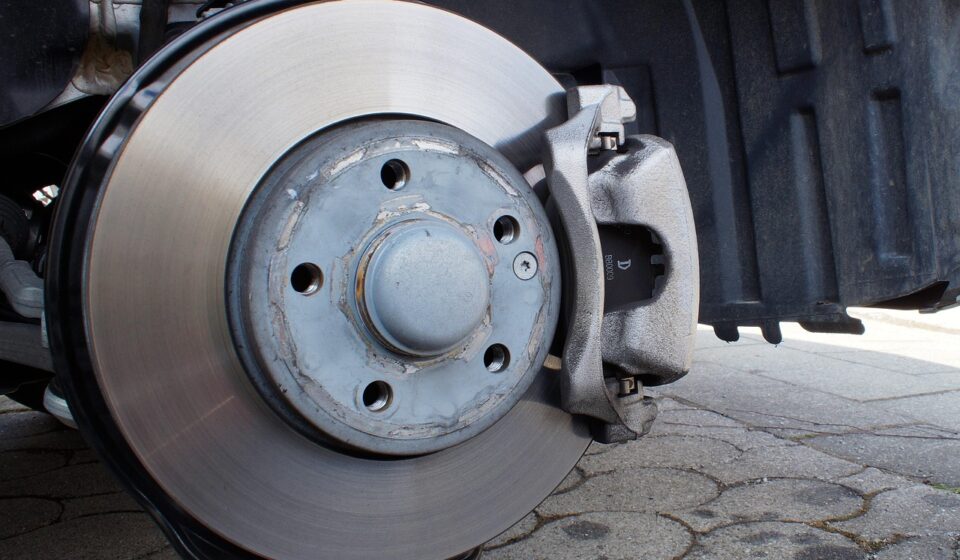
Front discs and pads are critical wear parts in a passenger vehicle’s braking system. When the driver presses the brake pedal, the caliper clamps the pads against the rotating disc and converts vehicle motion into heat. Because braking shifts load toward the front axle, front brake components often carry more work than the rear components, particularly in city driving, downhill use, towing, performance driving and emergency stops.
For buyers, workshops and parts distributors, the decision is not just whether a pad still has friction material left. A proper inspection also considers pad thickness, disc thickness, runout, surface condition, heat damage, corrosion, caliper movement, hardware condition, vehicle application and the relevant market standards. For more braking system context, see the braking and chassis category.
How the front brake assembly works
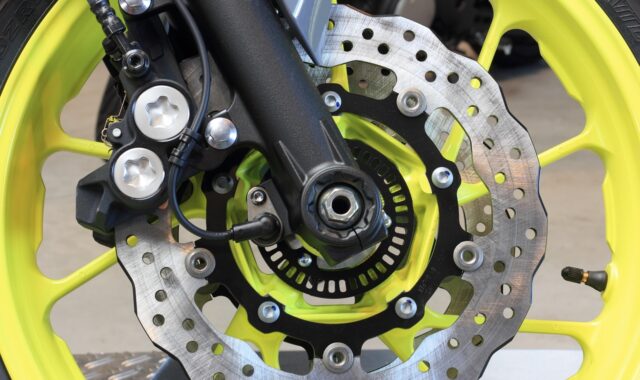
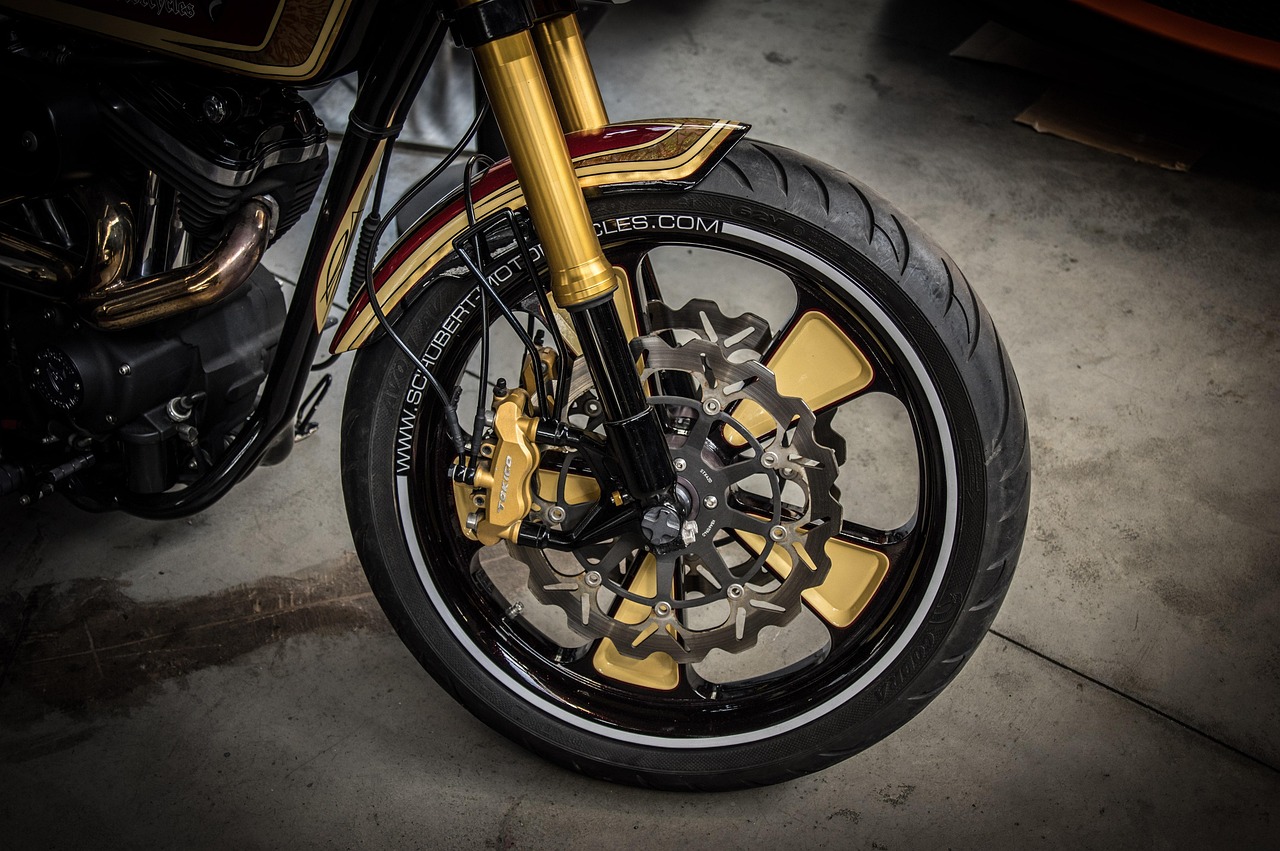
A front disc brake assembly usually includes the disc or rotor, caliper, brake pads, mounting bracket, guide pins, shims, retaining clips, hydraulic hose and, on some vehicles, an electronic pad wear sensor. The disc is fixed to the wheel hub and rotates with the wheel. The caliper remains positioned over the disc and uses hydraulic pressure to press the pads onto both sides of the disc.
The disc provides the friction surface and heat capacity. The pad provides the friction material and the controlled wear surface. Neither part performs correctly on its own. A high-quality pad installed on a worn, tapered or heat-damaged disc can become noisy, uneven and short-lived. A new disc paired with poor or incorrect pads can suffer from uneven transfer film, scoring, vibration or premature wear.
Front brakes are also affected by vehicle load distribution and suspension geometry. During deceleration, weight transfer increases tire load at the front axle and reduces it at the rear axle. This is why many vehicles use larger front discs, larger front calipers or different front friction materials compared with the rear.
When replacement is justified
Replacement should be based on measured condition, not appearance alone. Surface rust on the unused outer edge of a disc is common, especially after wet weather or storage. Heavy pitting across the swept area is different, because it can reduce the quality of pad-to-disc contact. A visible lip at the outer edge may suggest disc wear, but the disc still needs to be measured against the manufacturer’s minimum thickness specification.
According to long-standing NHTSA interpretation in the United States, brake system safety standards apply to new vehicles, while rotor service decisions on used vehicles rely heavily on manufacturer specifications and state-level inspection rules. In workshop practice, the stamped or published minimum disc thickness is therefore not optional. A disc below specification should not be reused or machined.
| Inspection point | What it can indicate | Typical service response |
|---|---|---|
| Pad friction material is near the wear limit | Reduced service life and possible backing plate contact | Replace front pad set and inspect discs |
| Disc below minimum thickness | Reduced heat capacity and structural margin | Replace disc; do not machine below specification |
| Scoring, cracks or heat spots | Contamination, overheating or severe wear | Replace affected parts and diagnose cause |
| Steering shake under braking | Runout, thickness variation or hub mounting issue | Measure runout and disc thickness variation |
| Uneven inner and outer pad wear | Sticking caliper slide, piston issue or hardware fault | Service caliper and replace hardware as needed |
Grinding noise, a burning smell, pulling to one side, a soft pedal or warning lights should be treated as reasons to inspect the braking system. Pads and discs are the visible wear parts, but hydraulic faults, tire condition, suspension wear and ABS issues can also affect braking feel.
Fitment checks before ordering parts
The phrase front discs and pads sounds simple, but vehicle fitment can be very specific. The same model name may have different disc diameters, thicknesses, caliper types or pad shapes depending on engine, trim, market, wheel size, production date or optional brake package. For parts catalogs, VIN-level matching or OE reference matching is often safer than relying on model year alone.
Key disc specifications include outside diameter, nominal thickness, minimum thickness, overall height, center bore, bolt pattern, number of mounting holes, ventilation type and whether the disc is plain, coated, drilled, slotted or directional. Some discs are handed left and right, especially where internal ventilation vanes or surface slots are directional.
Key pad specifications include backing plate outline, thickness, chamfers, slots, wear sensor position, sensor type, clip arrangement and whether the pad is designed for a specific caliper family. A pad that almost fits is still the wrong pad if it binds in the carrier, leaves an unswept area on the disc or prevents correct sensor operation.
Hardware should not be treated as an afterthought. Abutment clips, anti-rattle springs, guide pin boots and shims affect noise, pad movement and wear. Reusing distorted or corroded hardware can undermine an otherwise correct replacement.
Material choices and performance trade-offs
Most everyday front brake discs are cast iron because it offers a practical balance of friction compatibility, heat capacity, machinability and cost. Coated discs add corrosion protection on non-friction surfaces, which can be useful in regions that use road salt. High-carbon cast iron discs are often marketed for improved thermal stability and noise behavior, although suitability still depends on vehicle design and pad pairing.
Pad materials vary widely. Non-asbestos organic pads can be quiet and comfortable but may wear faster in demanding use. Ceramic formulations are widely used for low dust and low noise in many passenger applications. Semi-metallic and low-metallic materials can offer stronger heat tolerance, but they may generate more dust or noise depending on formulation and hardware. The label alone does not prove performance; the formulation must match vehicle weight, brake balance, driving cycle and disc material.
SAE J866 friction codes provide a uniform identification system for brake lining friction characteristics, but SAE notes that these codes do not by themselves predict complete brake system performance. That distinction matters in procurement. Friction level, fade behavior, compressibility, noise, wear, dust and compatibility all need to be assessed for the application.
For normal road use, drilled or heavily slotted discs should be selected with care. They may suit some performance packages, but they can also affect pad wear, noise and crack resistance. For many vehicles, an application-correct plain or lightly coated disc with a well-matched pad is the more predictable service choice. See also: driveline systems.
Standards and regulations shaping brake choices
Brake service parts are increasingly influenced by standards beyond traditional fitment. In markets that apply UN Regulation No. 90, replacement brake linings, discs and drums must meet defined approval requirements. For distributors selling into those markets, checking the R90 marking and application coverage is part of risk control, not just an administrative step.
The United States takes a different regulatory approach. NHTSA has stated that there is no federal motor vehicle safety standard specifically for brake pads as standalone products; instead, federal standards regulate complete brake systems on new vehicles. However, aftermarket brake pads remain motor vehicle equipment and can be subject to defect notification and remedy obligations if they create a safety-related defect.
Environmental regulation is also changing the friction material market. Washington State’s Better Brakes law requires brake pads and shoes manufactured after January 1, 2025 to contain less than 0.5% copper by weight, with related restrictions on asbestos and certain heavy metals already phased in. California has similar brake friction material limits. For buyers, low-copper compliance, LeafMark-style environmental marking and supplier documentation are becoming more relevant.
In Europe, Regulation (EU) 2024/1257, known as Euro 7, introduced rules that include brake particle emissions. In 2026, EU measures further aligned light-duty brake emission testing with UN Regulation No. 179 on laboratory measurement of brake emissions. This does not mean every replacement pad is judged only by emissions, but it does point to a clear direction: future brake development will need to balance stopping performance, durability, noise, dust and particle emissions more closely.
Installation and bedding considerations
Correct installation is as important as selecting the right parts. The hub face should be clean and free of corrosion before fitting a new disc, because debris between the hub and disc can create lateral runout. Wheel bolts or nuts should be tightened in the correct sequence and to the specified torque. Caliper guide pins should move freely, boots should be intact, and the piston should retract smoothly.
Before moving the vehicle after pad and disc replacement, the brake pedal should be pumped until it feels firm. A controlled road test should confirm pedal feel, straight-line braking and the absence of abnormal noise. Many pad manufacturers specify a bedding or burnishing procedure. The purpose is to establish stable contact and a transfer layer between the pad and disc without overheating the assembly during its first use.
Drivers should avoid extreme braking immediately after installation unless safety requires it. They should also avoid holding the pedal hard while the brakes are very hot, because that can create uneven pad imprinting on the disc surface. Bedding advice varies by pad formulation, so the supplier’s instruction should take priority over generic procedures.
Procurement checklist for front discs and pads
- Confirm the exact vehicle application, preferably by VIN, OE number or verified catalog data.
- Check disc diameter, thickness, height, ventilation, coating, handedness and minimum thickness.
- Confirm pad shape, wear sensor type, clip system, shims and axle position.
- Buy pads and discs as axle sets where service balance and predictable performance are required.
- Review applicable market requirements such as R90 approval, low-copper rules or environmental markings.
- Ask for clear supplier documentation instead of relying only on broad claims such as premium, racing or low dust.
- Inspect calipers, hoses, guide pins and suspension components when diagnosing repeated brake wear or vibration.
A sound replacement decision combines fitment accuracy, measured inspection, suitable materials and realistic service expectations. Front braking parts operate under high temperature and high load, so small mismatches can become noise, vibration, short service life or customer dissatisfaction.
Frequently asked questions
Should front discs and pads always be replaced together?
Not always, but the disc condition must be measured and inspected. New pads can sometimes be fitted to discs that remain within specification and have a suitable surface. If discs are below minimum thickness, badly scored, cracked, heavily pitted or affected by runout and thickness variation, replacing pads alone is a poor service decision.
Why do front pads often wear faster than rear pads?
During braking, load transfers toward the front axle. That usually makes the front brakes do more work and handle more heat, especially in stop-start driving. Vehicle design, driving style, cargo load, hill use and caliper condition can all change the wear pattern.
Are ceramic pads better than semi-metallic pads?
Neither is universally better. Ceramic pads are often chosen for comfort, low dust and quiet operation in passenger cars. Semi-metallic or low-metallic pads may suit higher heat use but can be noisier or dustier. The correct choice depends on the vehicle, disc material, driving cycle and compliance requirements.
What causes brake vibration after new discs are fitted?
Common causes include hub face corrosion, incorrect wheel torque, lateral runout, uneven pad transfer, poor bedding, sticking calipers or worn suspension parts. The disc may be blamed first, but the root cause is often in installation or surrounding components.
Do brake standards guarantee identical performance across brands?
No. Standards and markings can confirm that a part meets defined requirements for a market or test category, but real-world brake feel, noise, dust, wear and heat behavior still depend on formulation, vehicle design, installation quality and operating conditions.